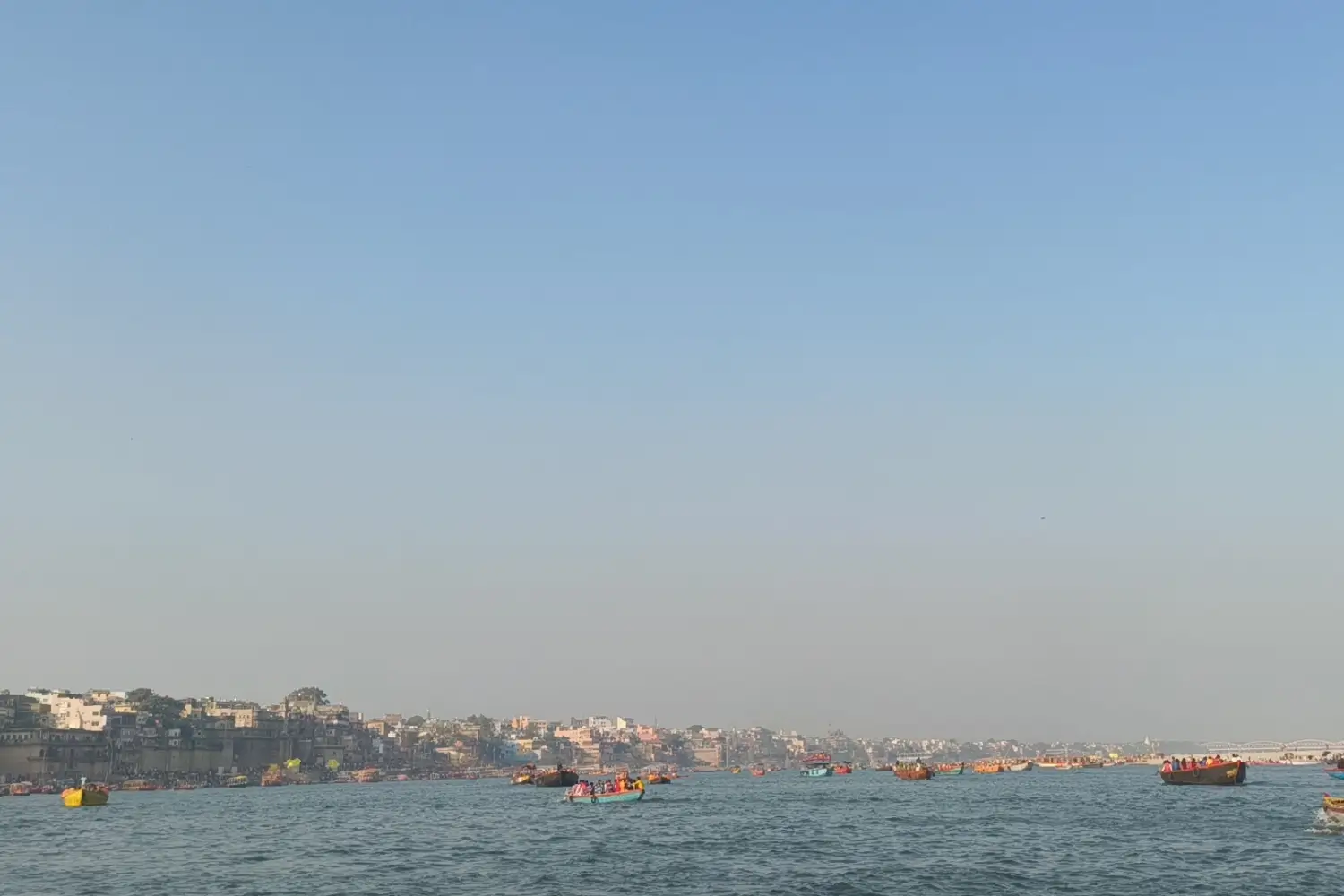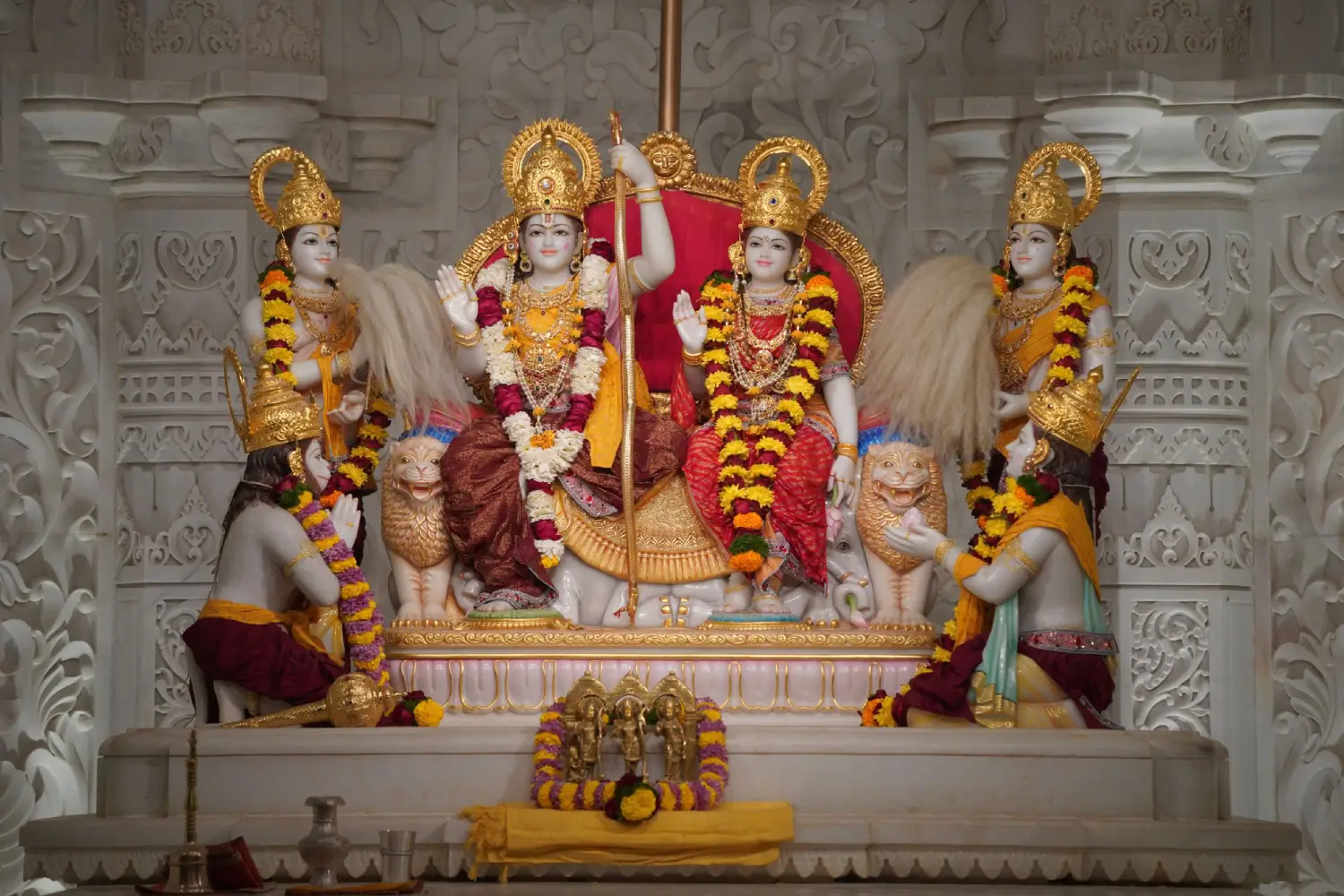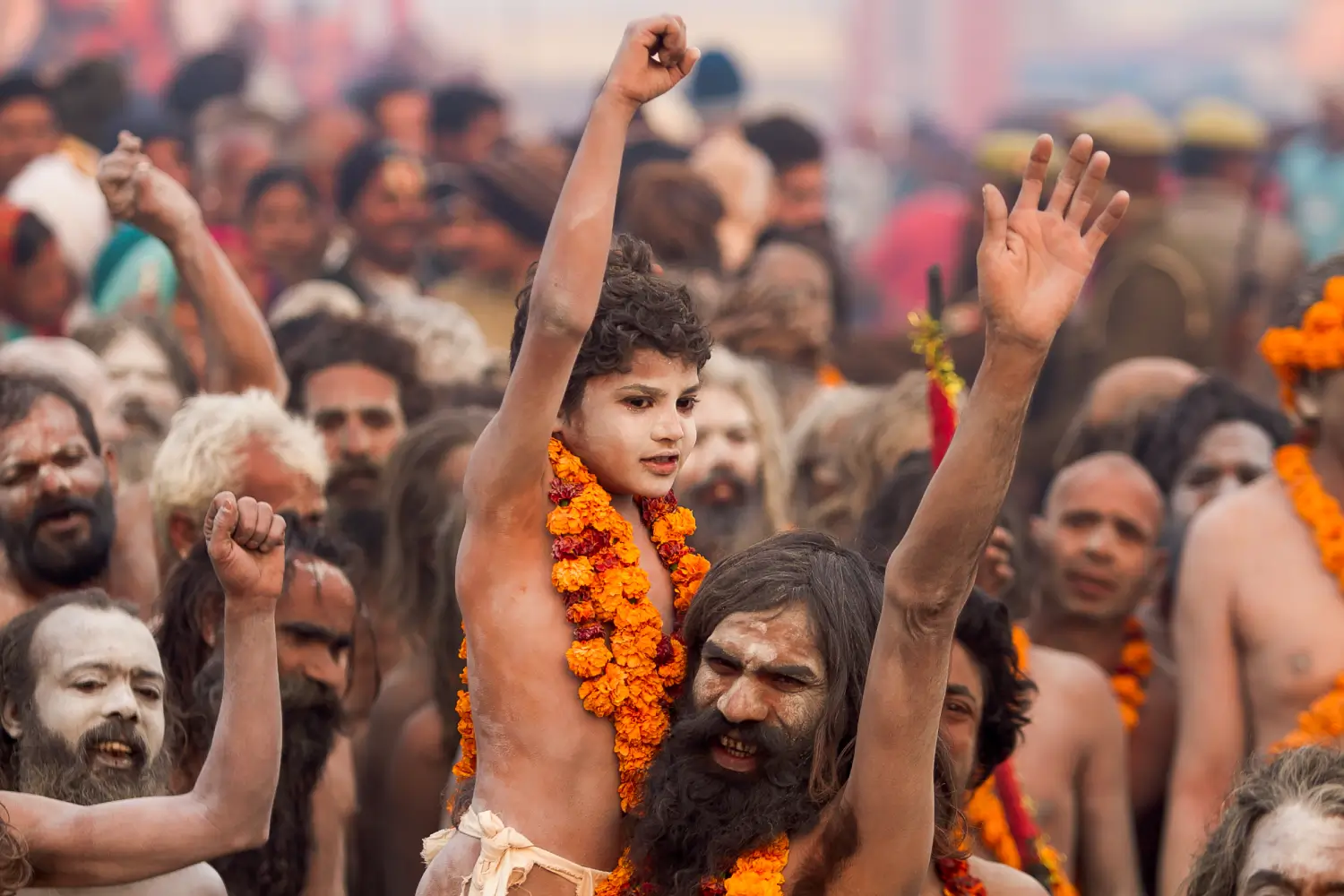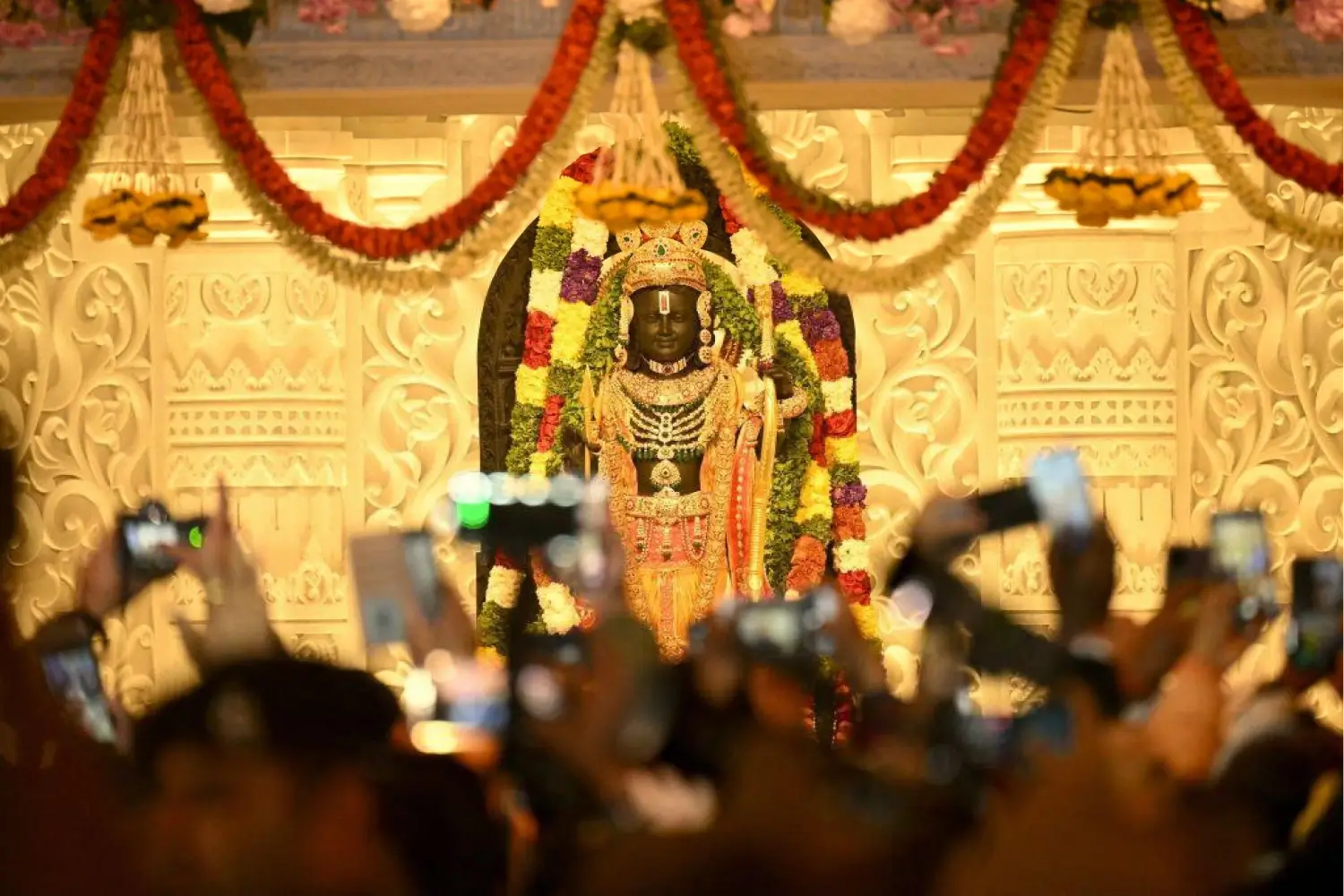
In Haridwar, the Ganga is not something you look at; it's something you step into. This is what makes Haridwar one of the most important destinations for Ganga rituals in India.
From early morning, the ghats begin to fill with pilgrims holding onto iron chains as they enter the river, priests preparing for rituals, and families arriving with a clear purpose. The entire city moves around the rhythm of the Ganga.
Unlike destinations centred around temples, Haridwar is built around ritual action.
For travellers planning a Haridwar visit after Ayodhya, this marks a clear shift - from standing before a deity to actively participating in rituals. Haridwar is not about seeing. It's about doing.
Why Visit Haridwar ?The popular points of tourist interests & top experiences in Haridwar are Har Ki Pauri, Chandi Devi Temple, Mansa Devi Temple, Rajaji National Park, Sureshwari Devi Temple, Patanjali Yogpeeth, Sapt Rishi Ashram, Neel Dhara Pakshi Vihar, Ganga Arti, Yoga & Ayurveda Retreats and many more.
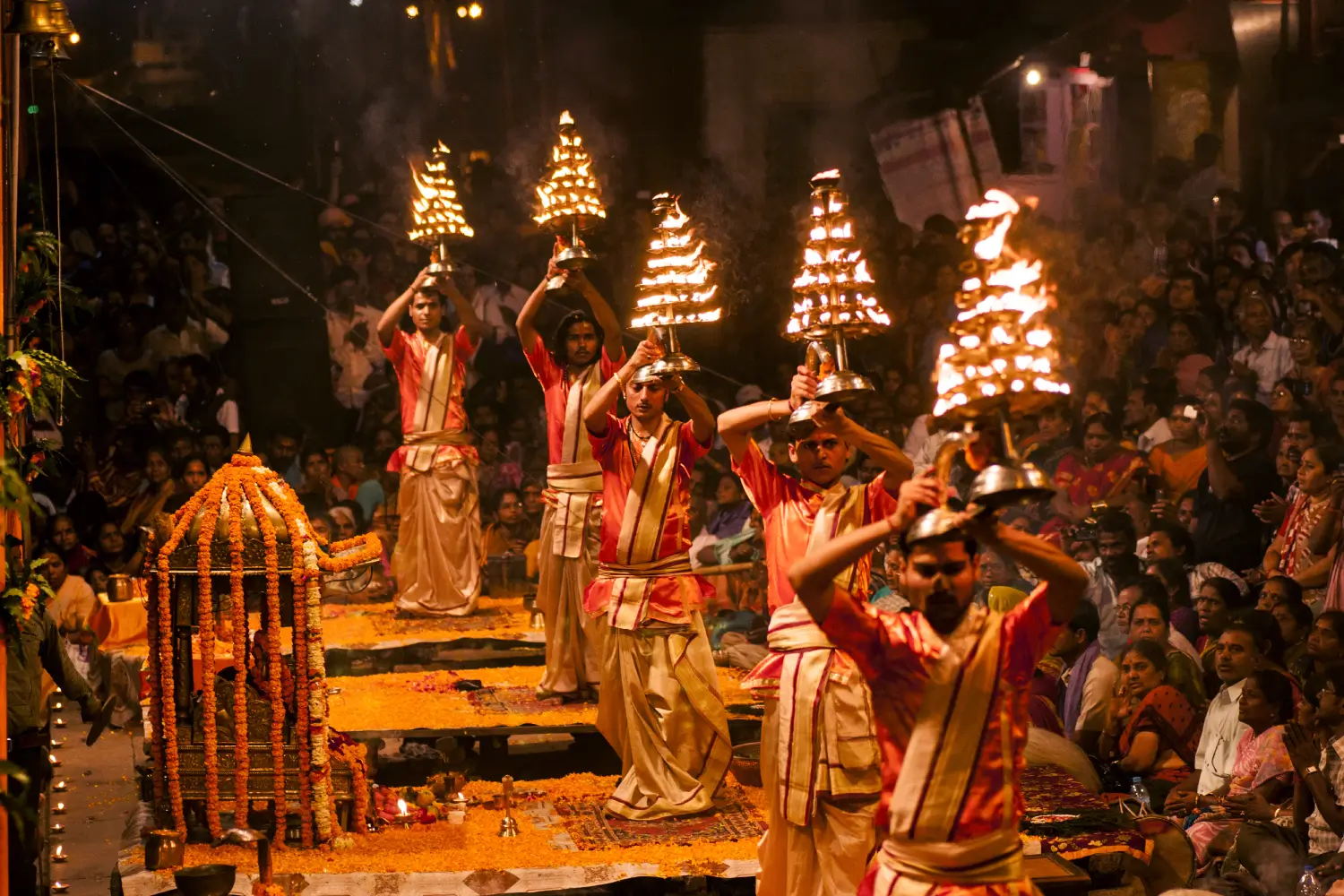
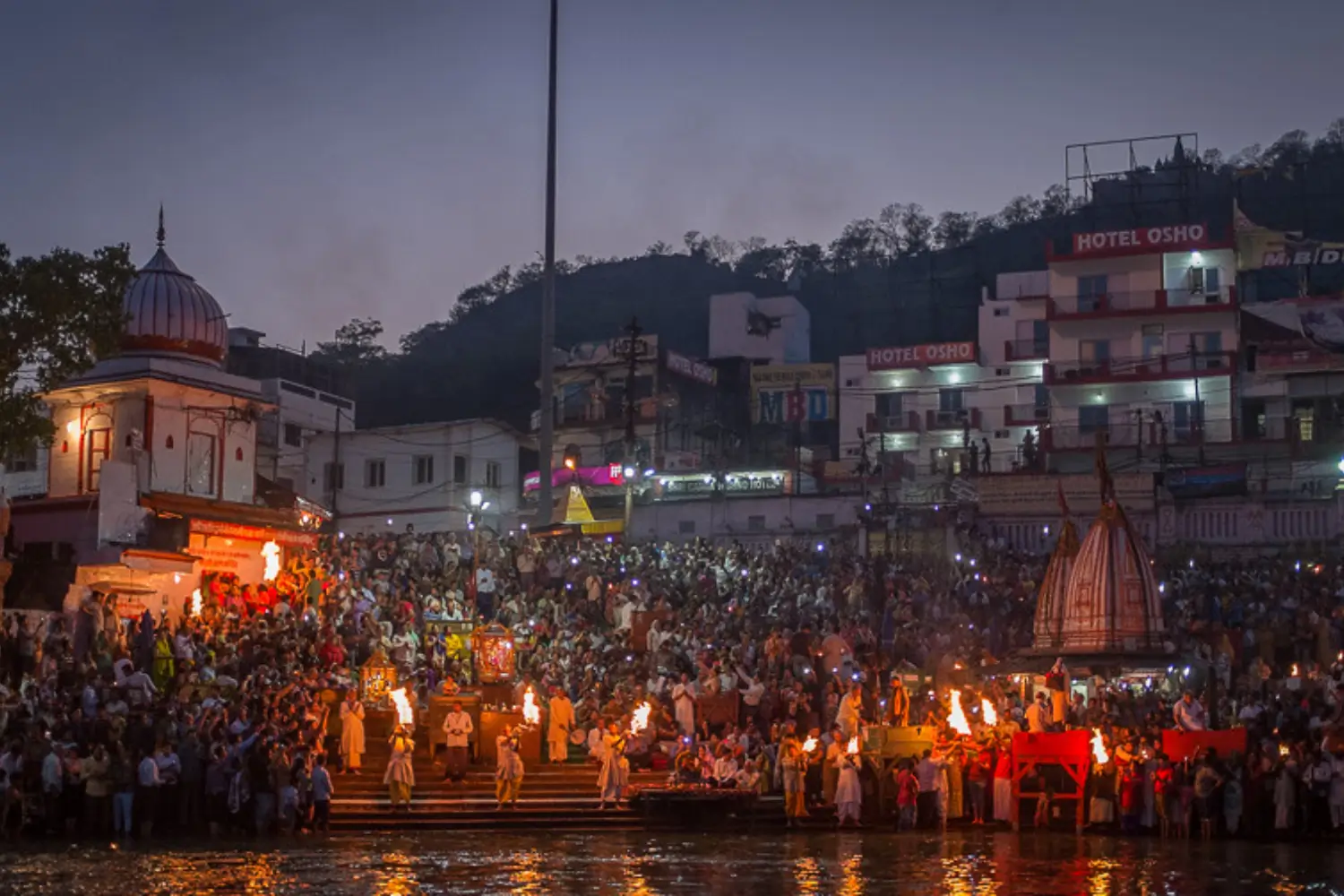
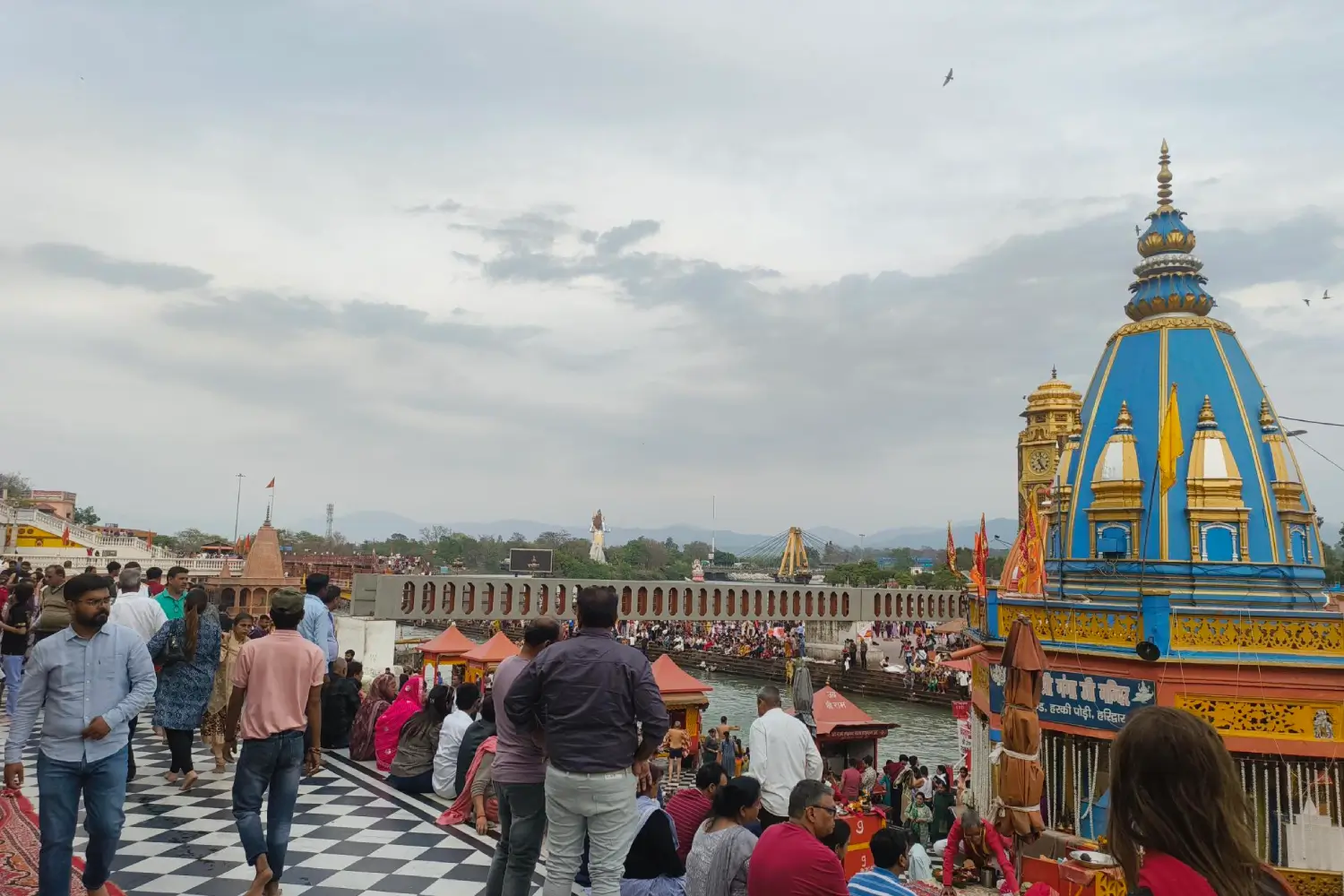
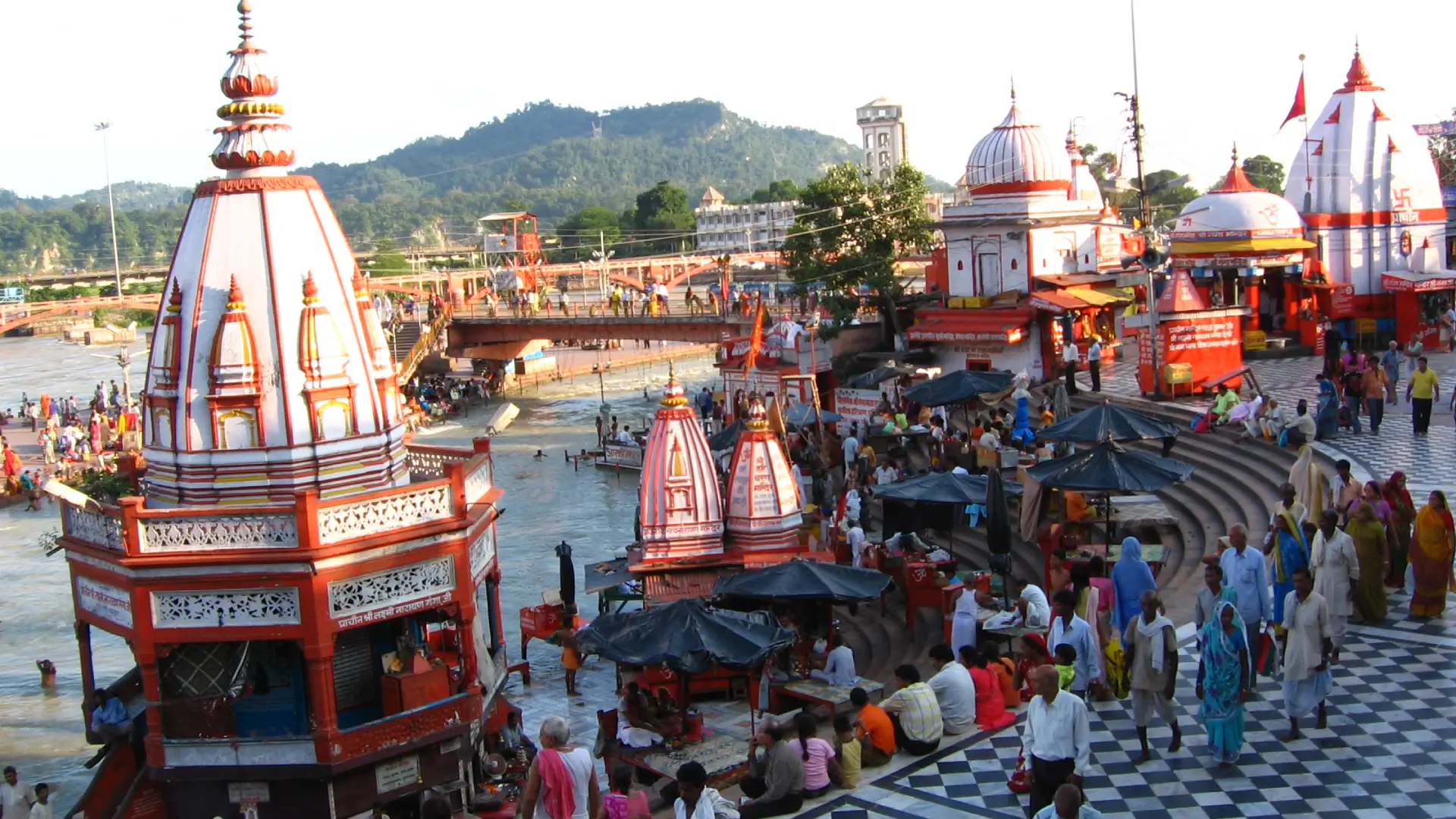
At the heart of Haridwar is Har Ki Pauri, the most important ghat in the city. The Har Ki Pauri Ganga Aarti is considered one of the most significant evening river rituals in North India.
As evening approaches, the area fills with pilgrims, priests, and visitors gathering along the steps. The aarti begins with synchronised chanting, large brass lamps, and the reflection of fire across the Ganga.
Unlike Rishikesh, this is not a quiet experience. This is the defining Haridwar Ganga Aarti experience for most visitors.
What to expect ?Practical Tip : Arrive at least 45 - 60 minutes early to get a place on the steps near the water.
Taking a dip in the Ganga at Har Ki Pauri is one of the most important rituals in Haridwar.
Early in the morning, pilgrim's step into the river, holding onto iron chains fixed along the ghats as the current moves steadily past.
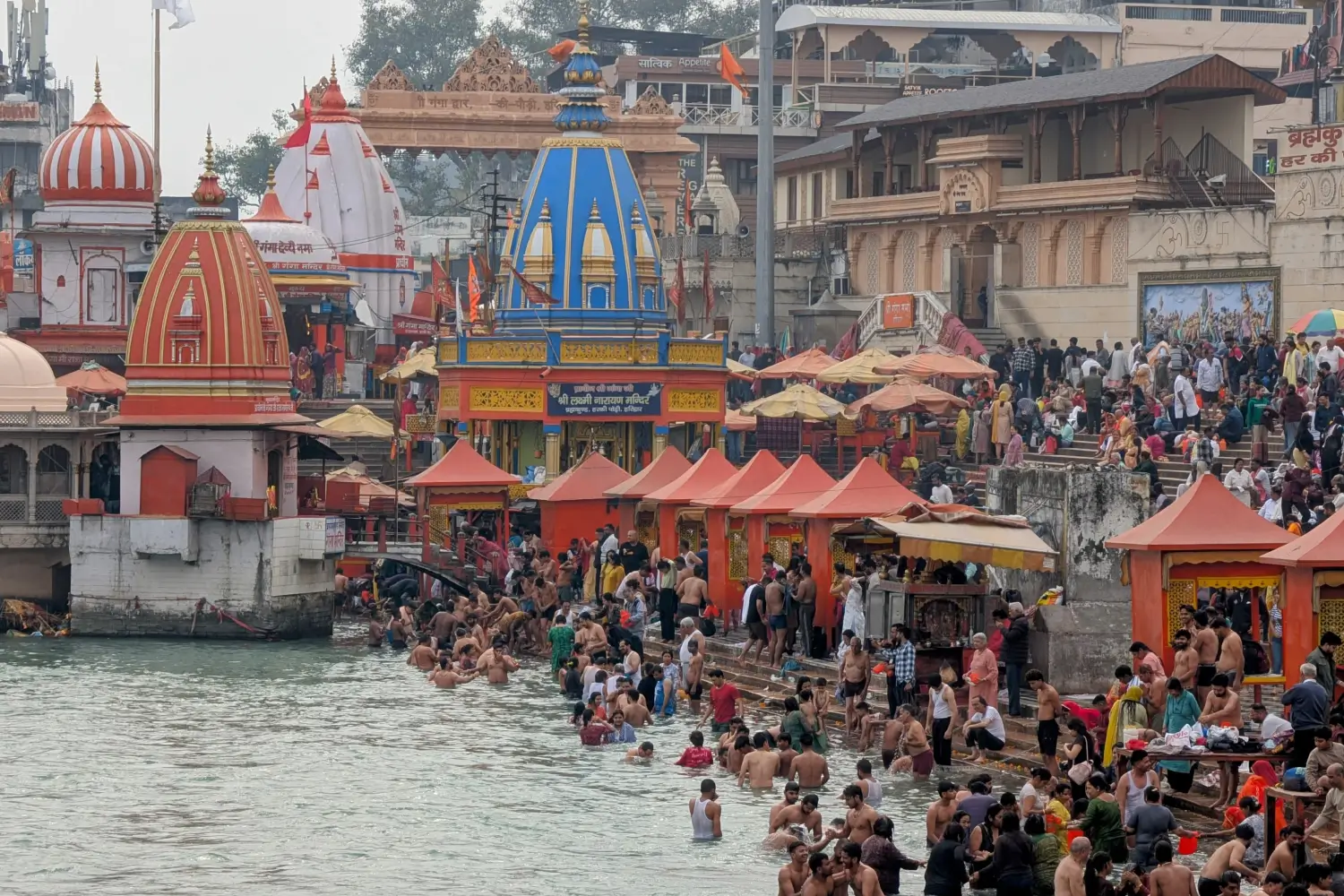
This is not a symbolic dip. The flow of the river here is strong and constant.
Safety Logic for Snan :Pro Tip : If Har Ki Pauri feels too crowded, move slightly downstream toward quieter ghats like Malviya Ghat for a more manageable experience.
Located on opposite hills overlooking Haridwar, these are among the most visited hill temples in Haridwar that add another sacred dimension to an otherwise river-centric destination.
The experience varies significantly based on the route:
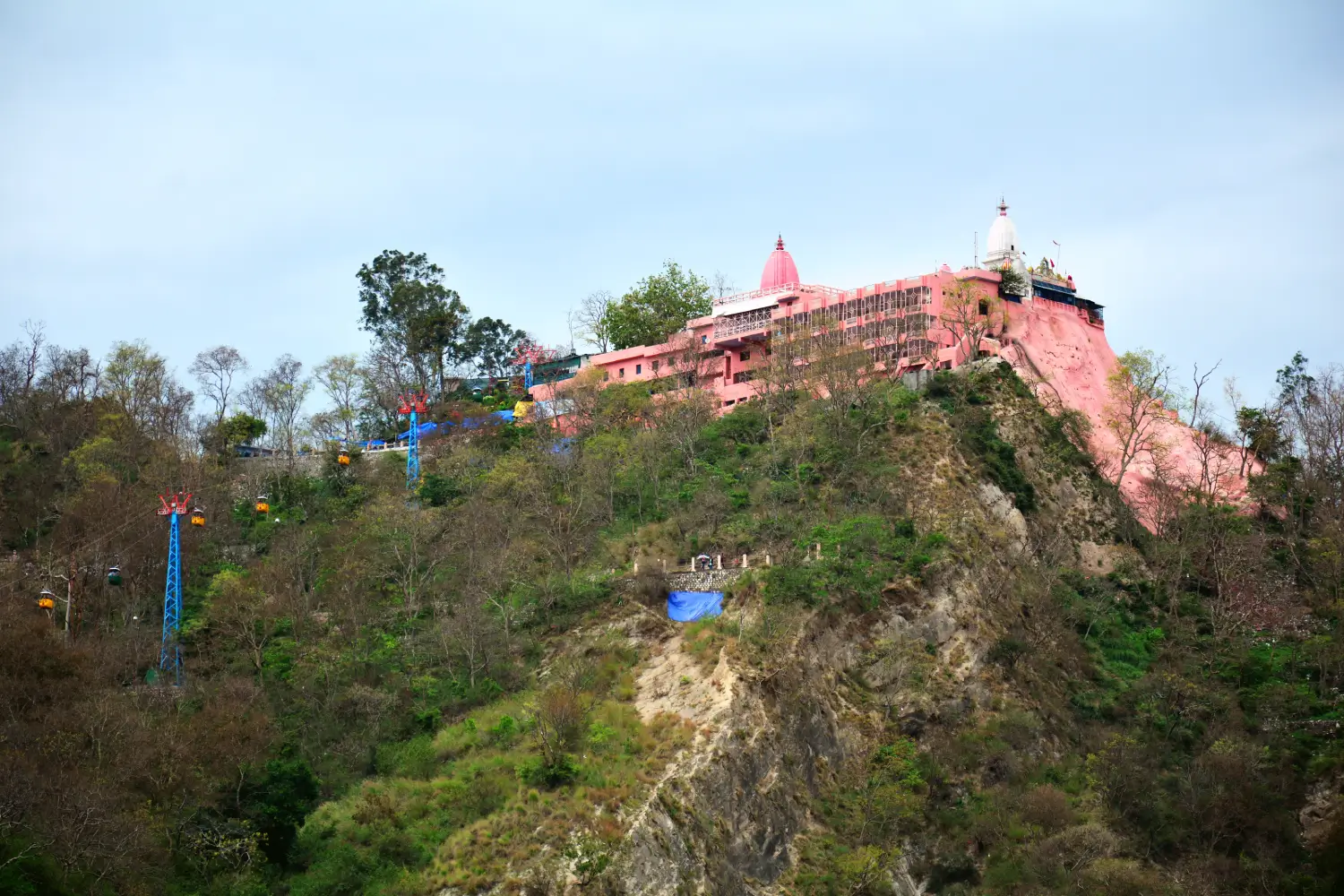
These visits are usually combined with the main Har Ki Pauri experience.
Haridwar is one of the key locations where families come to perform ancestral rituals, including pind daan and asthi visarjan.
These are not casual activities but important ceremonies carried out along the ghats with the guidance of local priests (pandas).
Even if you are not participating, being aware of these practices helps you better understand the atmosphere of the ghats.
| Preference | Area | What to Expect |
|---|---|---|
| Close to ghats & rituals | Har Ki Pauri area | Walking access, but crowded and noisy |
| Balanced stay | Upper Road / Railway Road | Easier access with slightly less crowd |
| Quieter stay | Near outskirts | Requires transport to main ghats |
Avoid major festival dates unless you are prepared for very large crowds.
How to Reach Haridwar (From Ayodhya & Other Cities) ? From Ayodhya :From Delhi : 5 - 6 hours by road or train
Nearest Airport : Jolly Grant Airport (~35 km)
Arrival Reality (Especially from Ayodhya)Most travellers arriving from Ayodhya reach Haridwar early in the morning via overnight trains.
Pro Tip : Pre - booking a station-to-hotel transfer ensures a smoother arrival, especially if you are travelling with family or luggage.
Things That Can Affect Your VisitPlanning your timing makes a significant difference in your experience.
Where Haridwar Fits in a Spiritual Journey ?| Destination | Spiritual Focus | Experience Type | Role in Journey |
|---|---|---|---|
| Ayodhya | Devotion (Ram) | Temple darshan | Starting point |
| Haridwar | Ritual & Purification | Ganga snan & aarti | Participation |
| Rishikesh | Practice & Reflection | Yoga, ashrams | Slow down |
| Varanasi | Moksha & Tradition | Ganga + temples | Spiritual depth |
Haridwar requires more than just reaching the city; timing your aarti, choosing the right ghat access, and planning rituals all shape the experience.
Call +919212553109 to plan your Ayodhya - Haridwar tour, including:
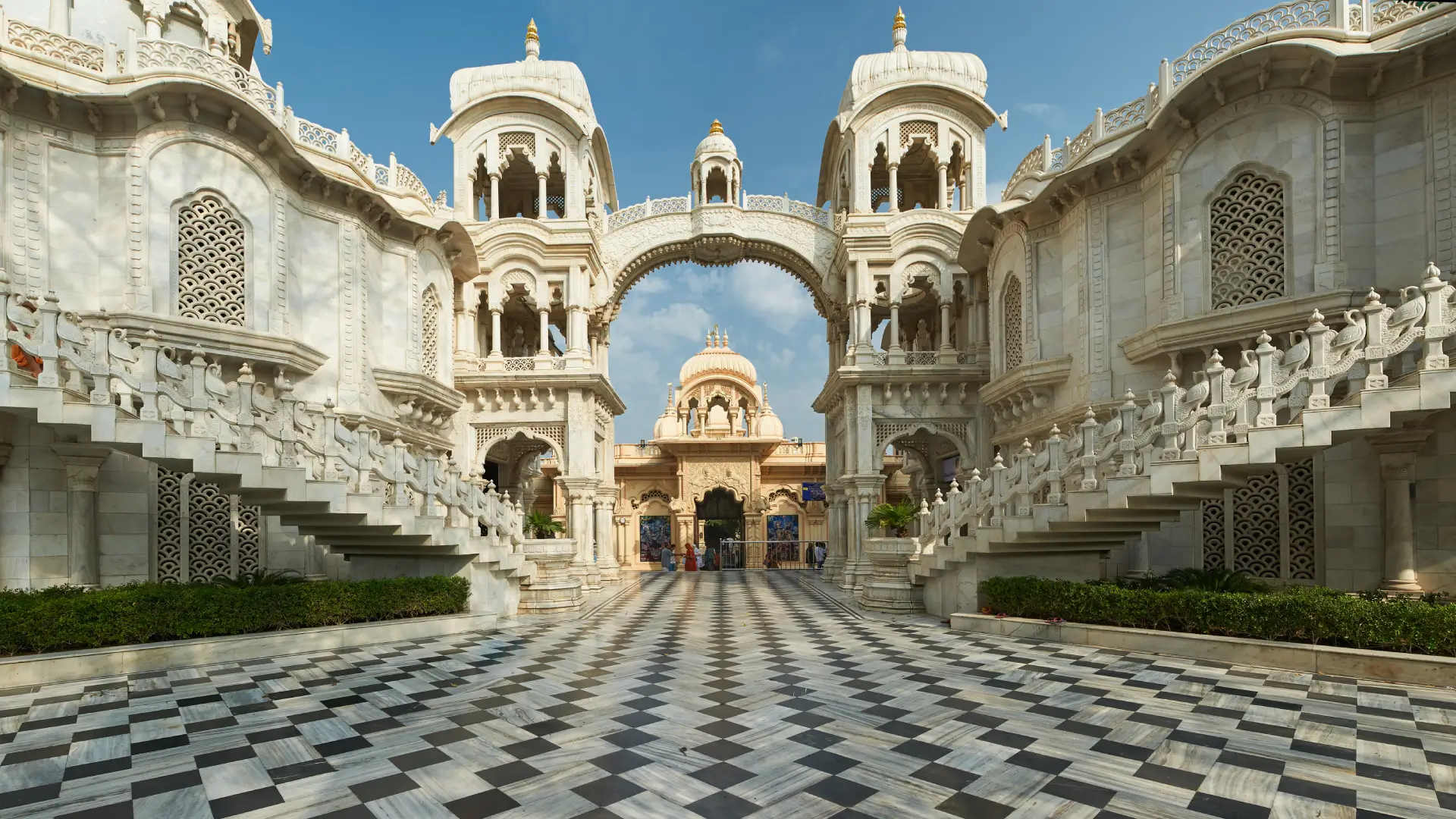
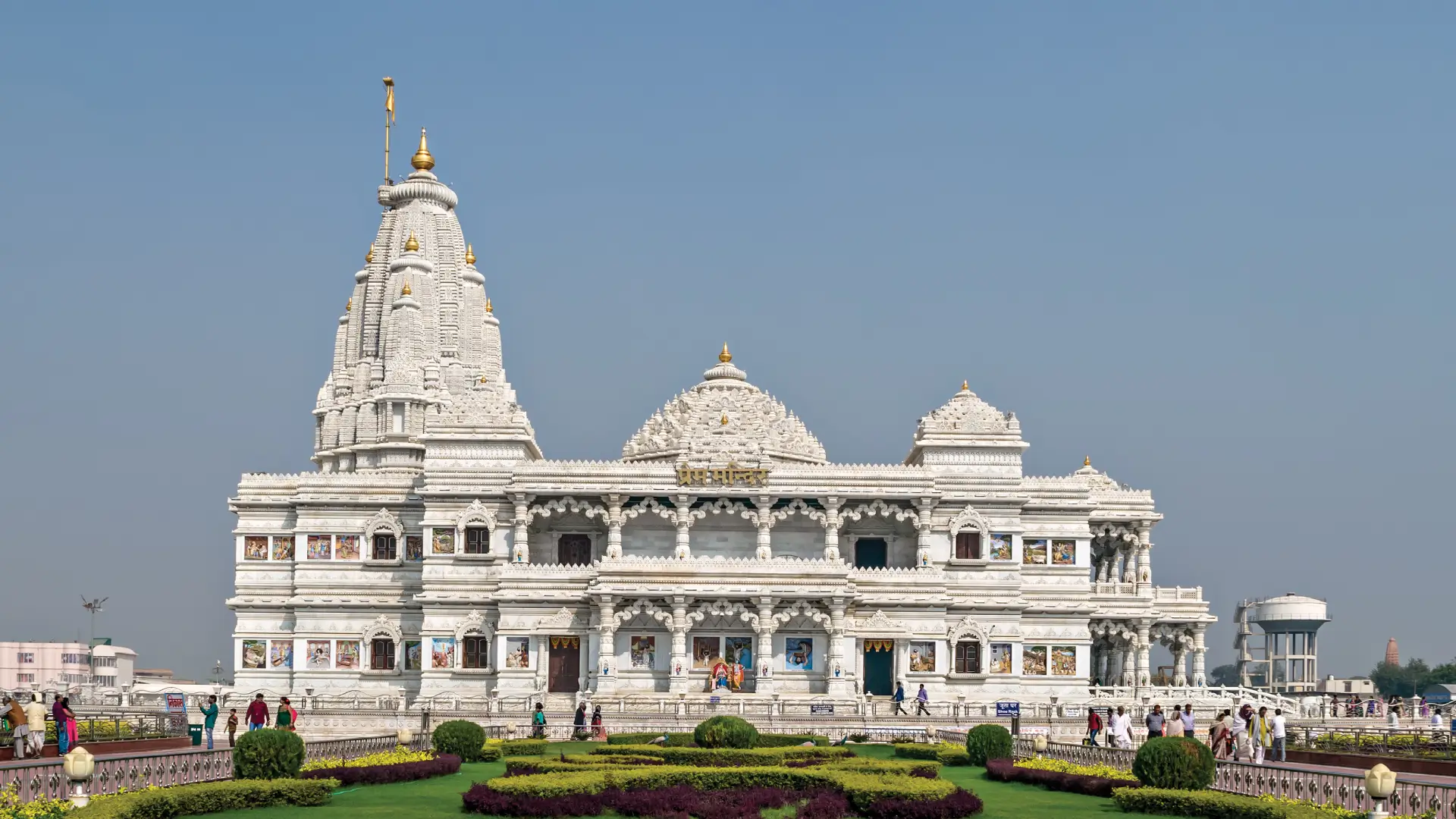
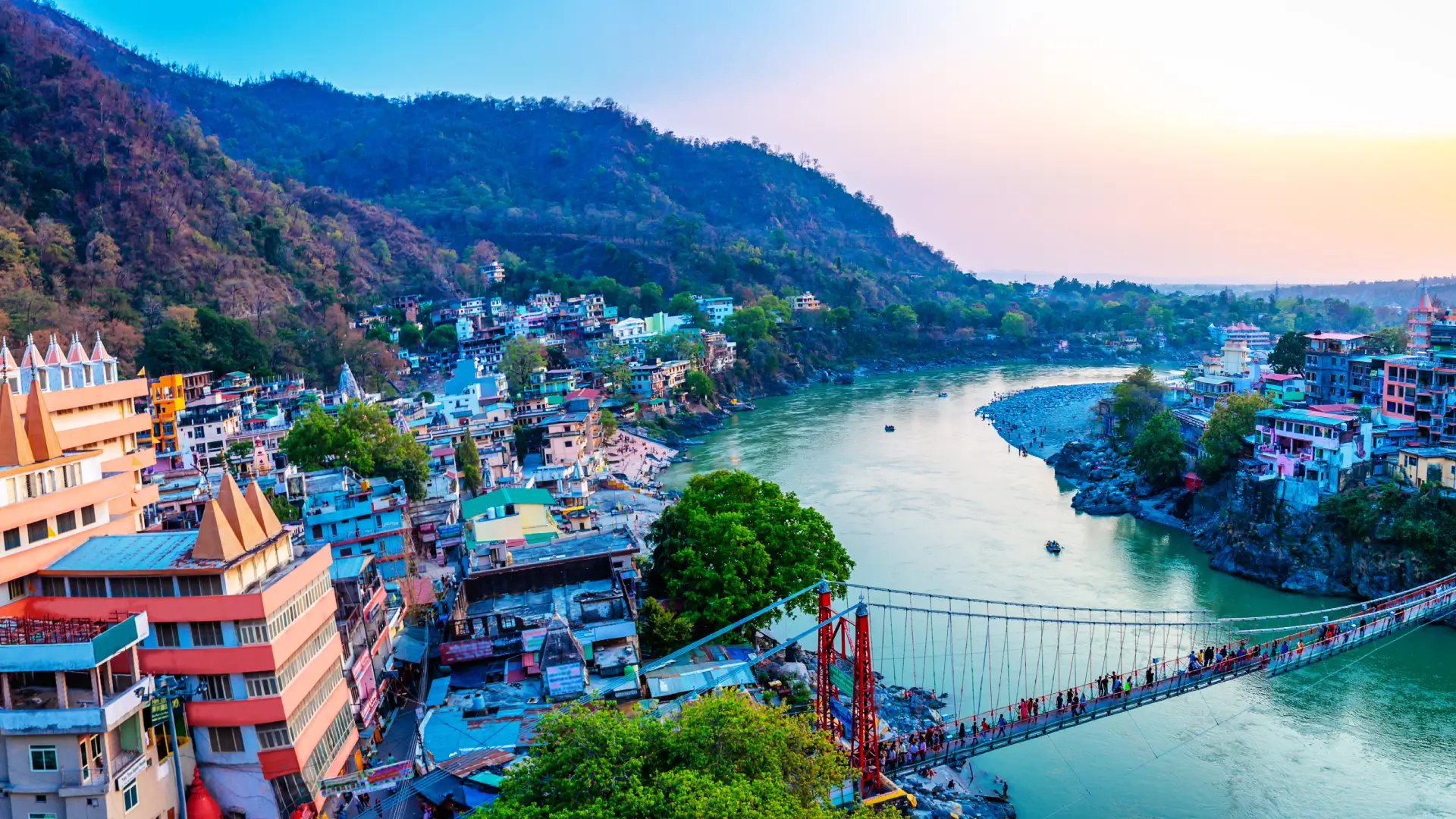
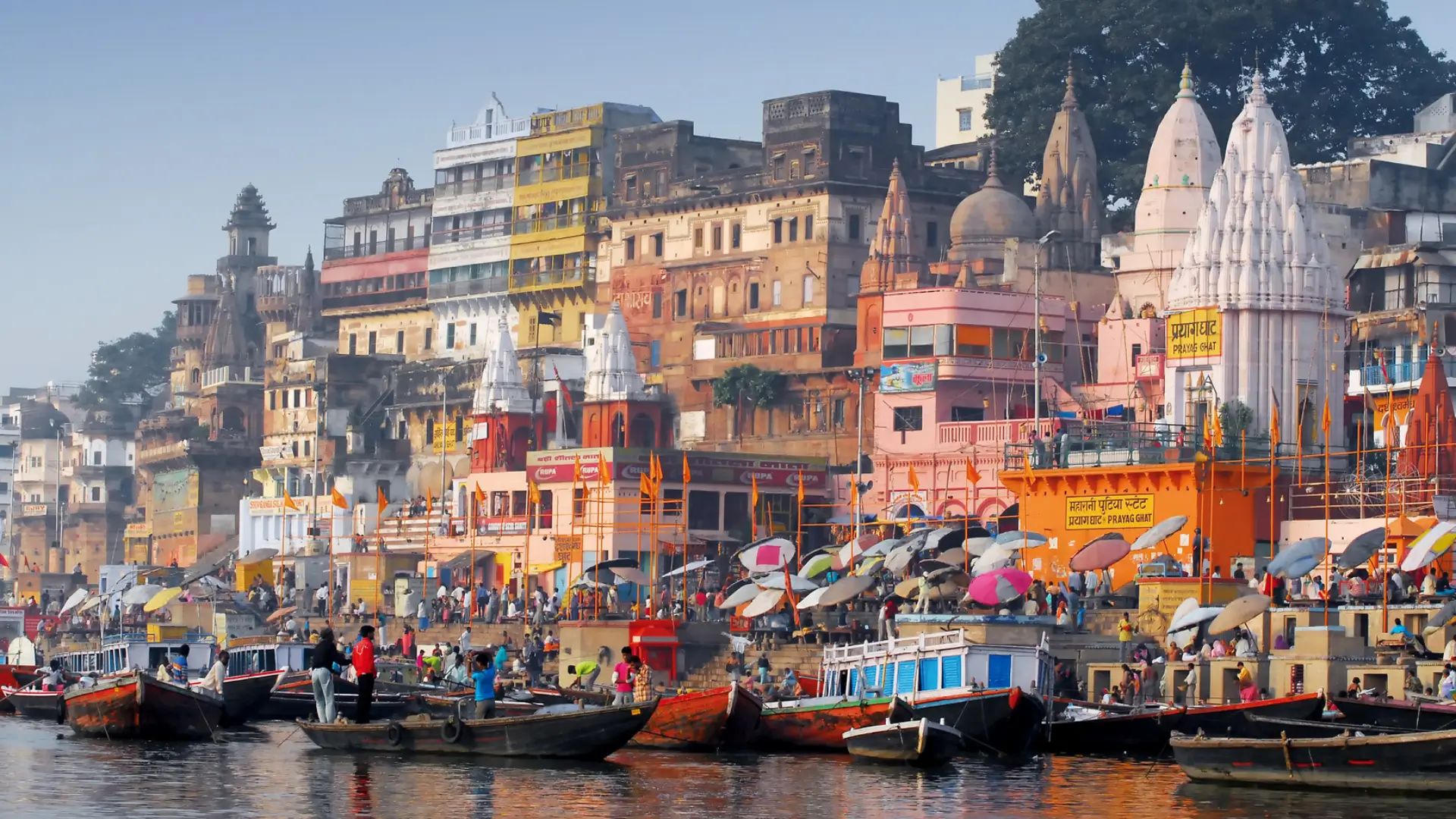
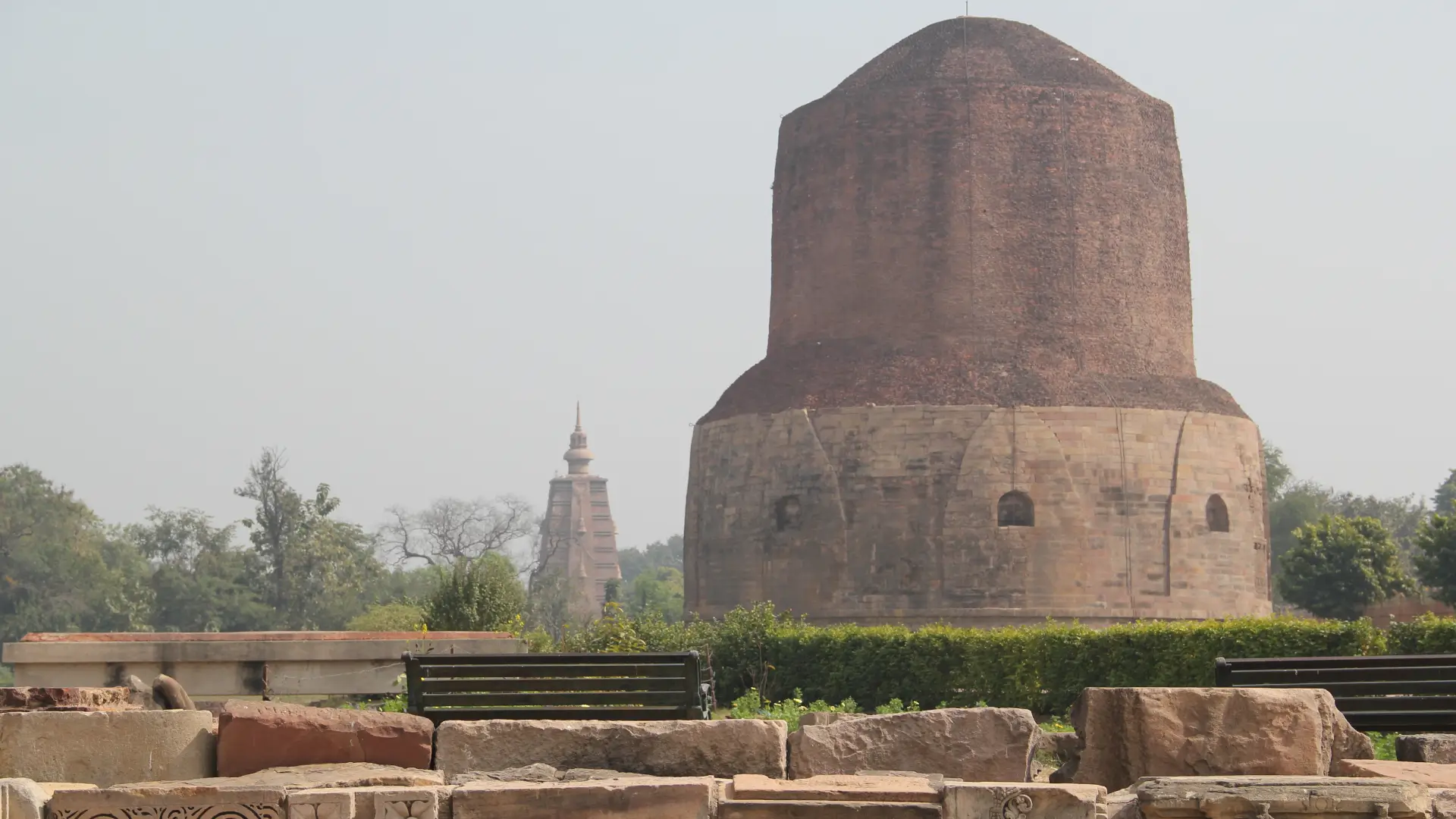
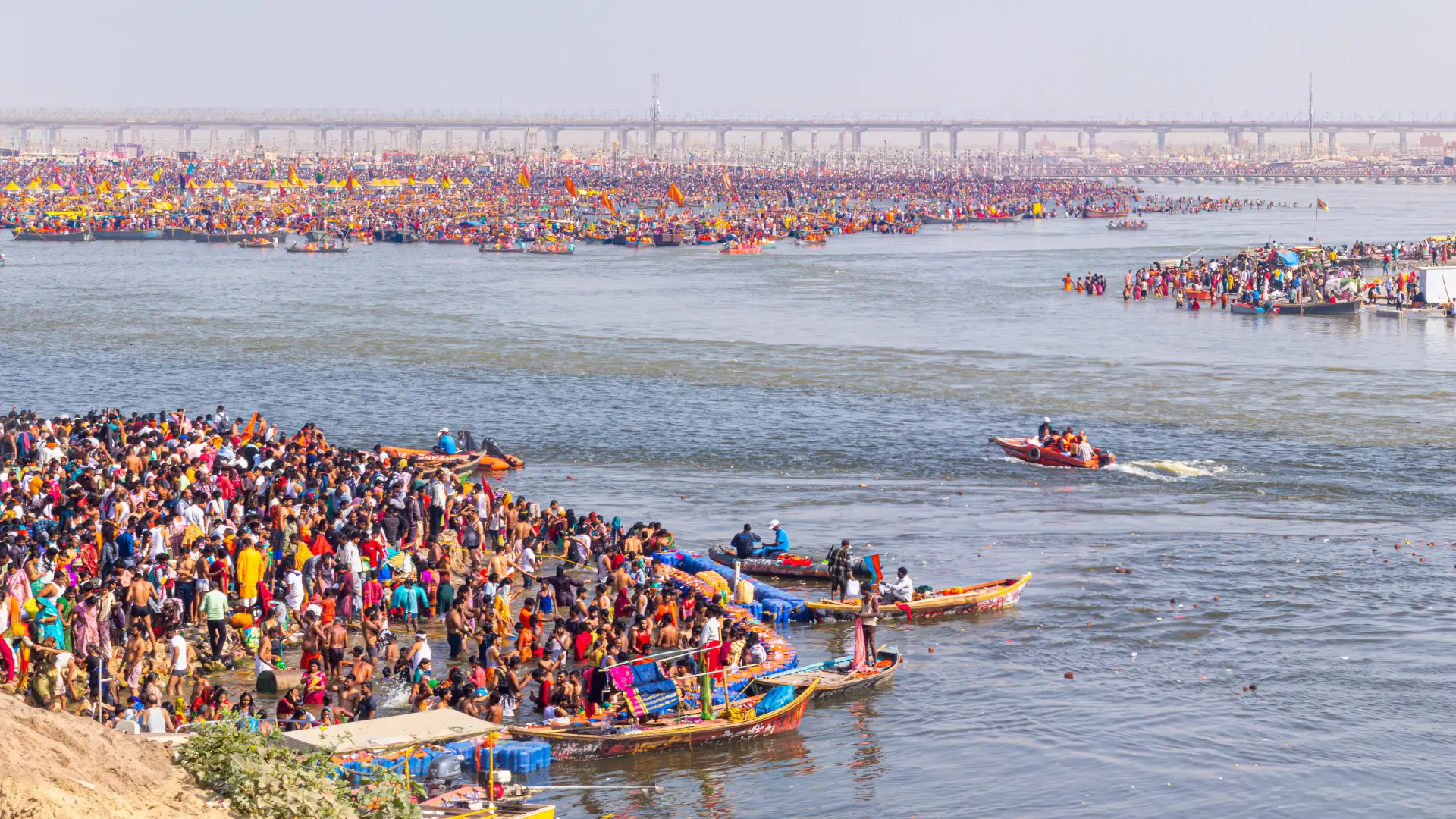
While visiting Ayodhya, the birthplace of Lord Rama, one can visit several other holy towns of the nation which carry a huge significance in the heart of Hindus and are widely recognised for their historical relevance are stated below.
Explore LocationsGet the Best Deals on Ayodhya Holiday Packages. Request for free quotes.
1 - 2 days are sufficient to cover Ganga Aarti, snan, and temple visits.
Har Ki Pauri is the most important ghat in Haridwar and is best known for its evening Ganga Aarti.
Yes, but the ghats can get crowded. Staying close to Har Ki Pauri helps reduce walking.