In Mathura, the journey shifts from memory to origin - the point where Krishna's story begins. Set along the Yamuna River in the Braj region, Mathura is where Lord Krishna is believed to have been born, making it one of the most important centres of Krishna devotion in India.
The experience here is anchored around a specific place: the Janmabhoomi. From there, it expands outward to ghats, temples, and nearby towns like Vrindavan and Govardhan, all connected through the stories of Krishna's life.
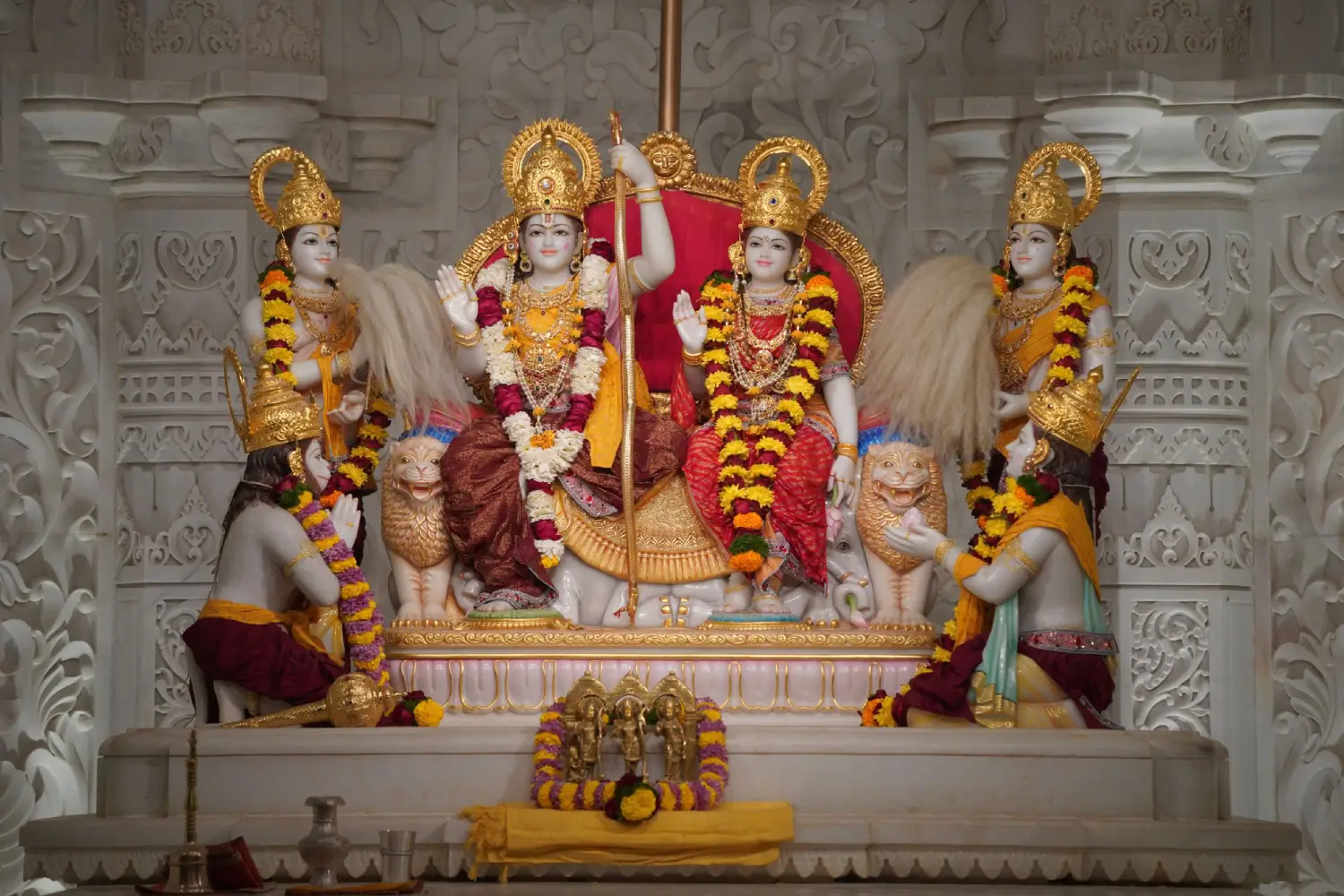
For travellers coming from Ayodhya, it is a continuation of devotion, shifting from Rama's story to Krishna's.
Why Visit Mathura ?The popular points of tourist interests and top experiences in Mathura are Shree Dwarikadhish Temple, Shri Krishna Janmasthan Temple, Gita Mandir, Govardhan Hill, Radha Kund, Rangji Mandir, Birla Mandir and many more.
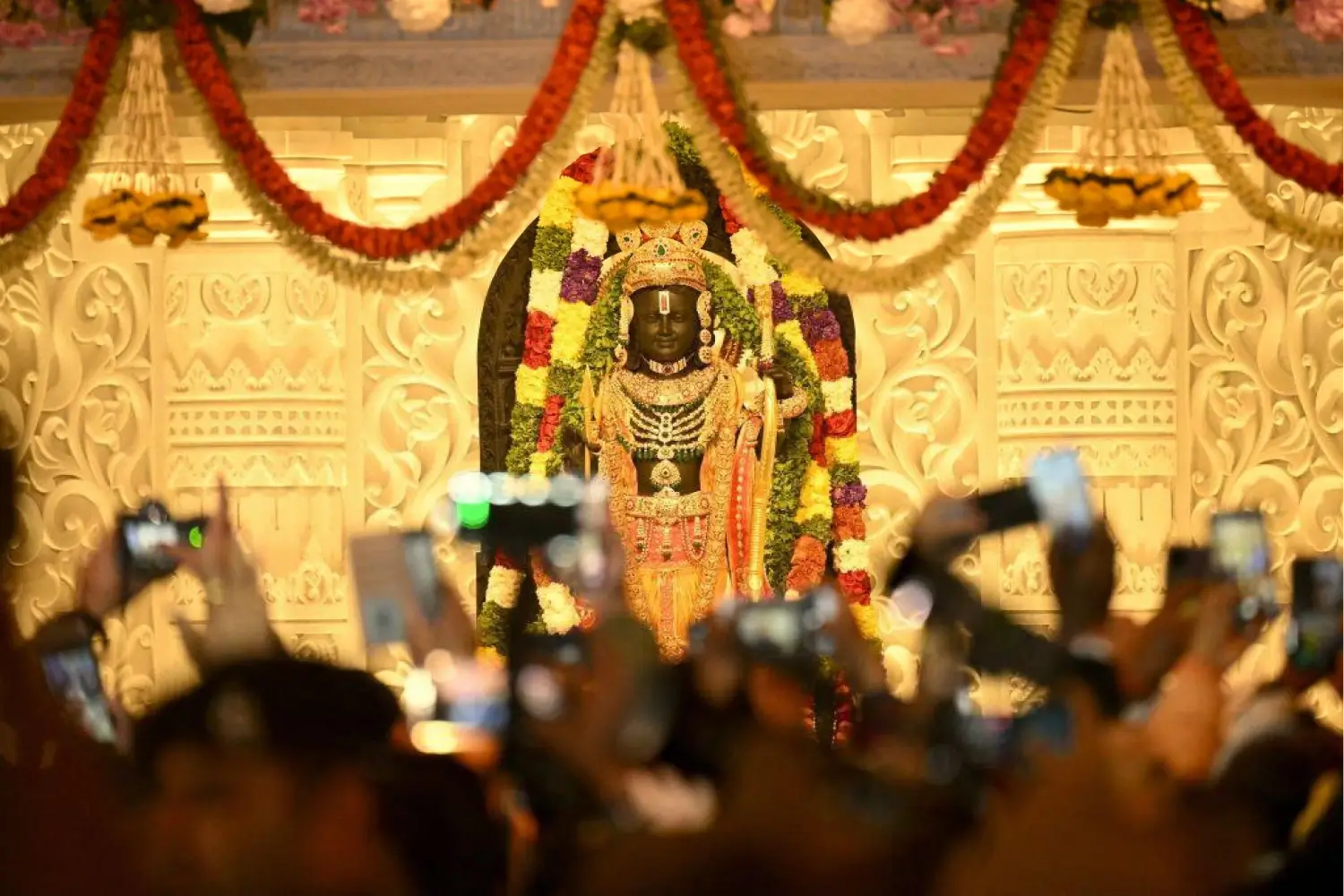
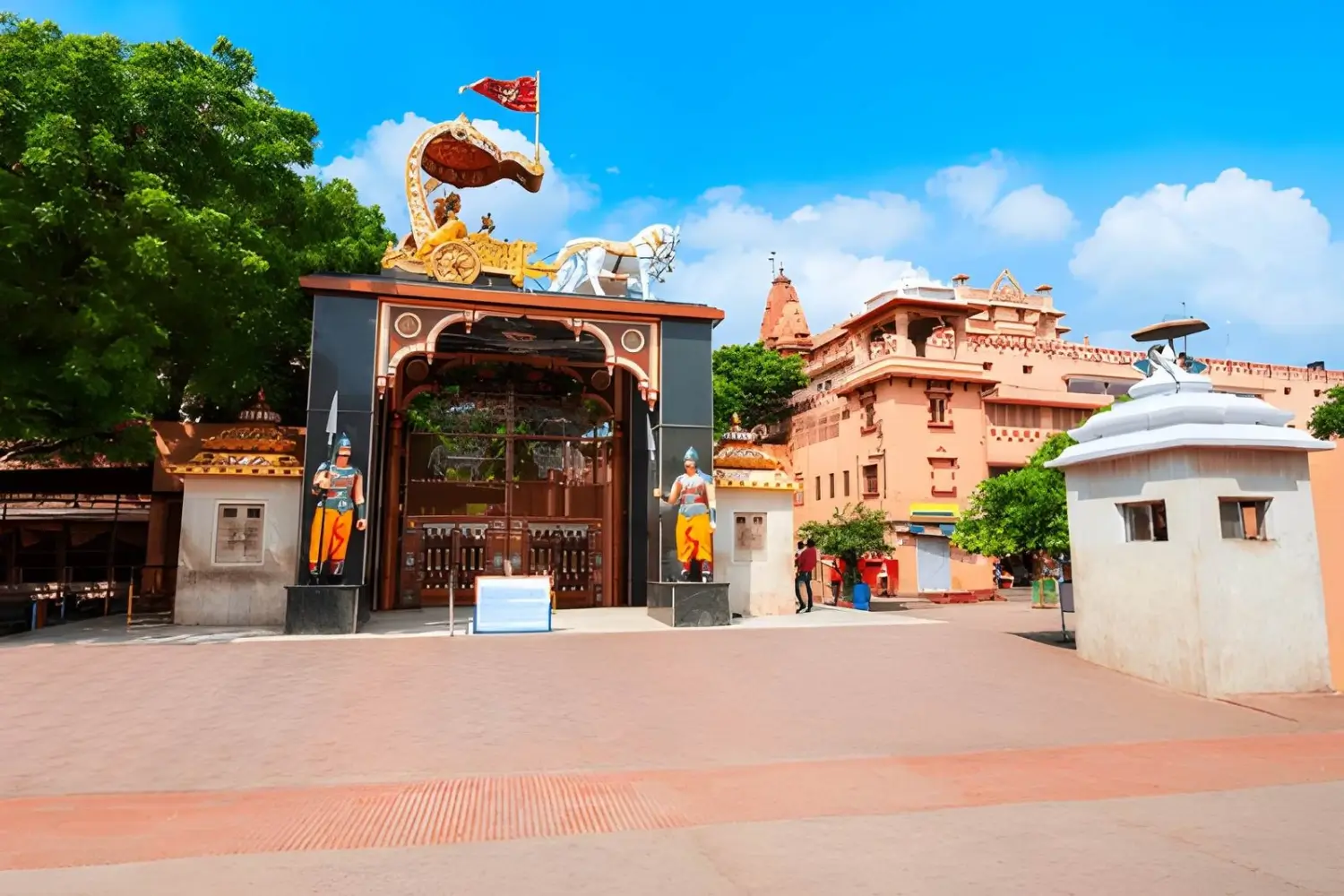
The temple is the focal point of any visit to Mathura, where Krishna Janmabhoomi darshan takes place at the site believed to be his birthplace.
Security is tight and entry is controlled, so the experience feels structured, with a clear movement through checkpoints before reaching the inner sanctum.
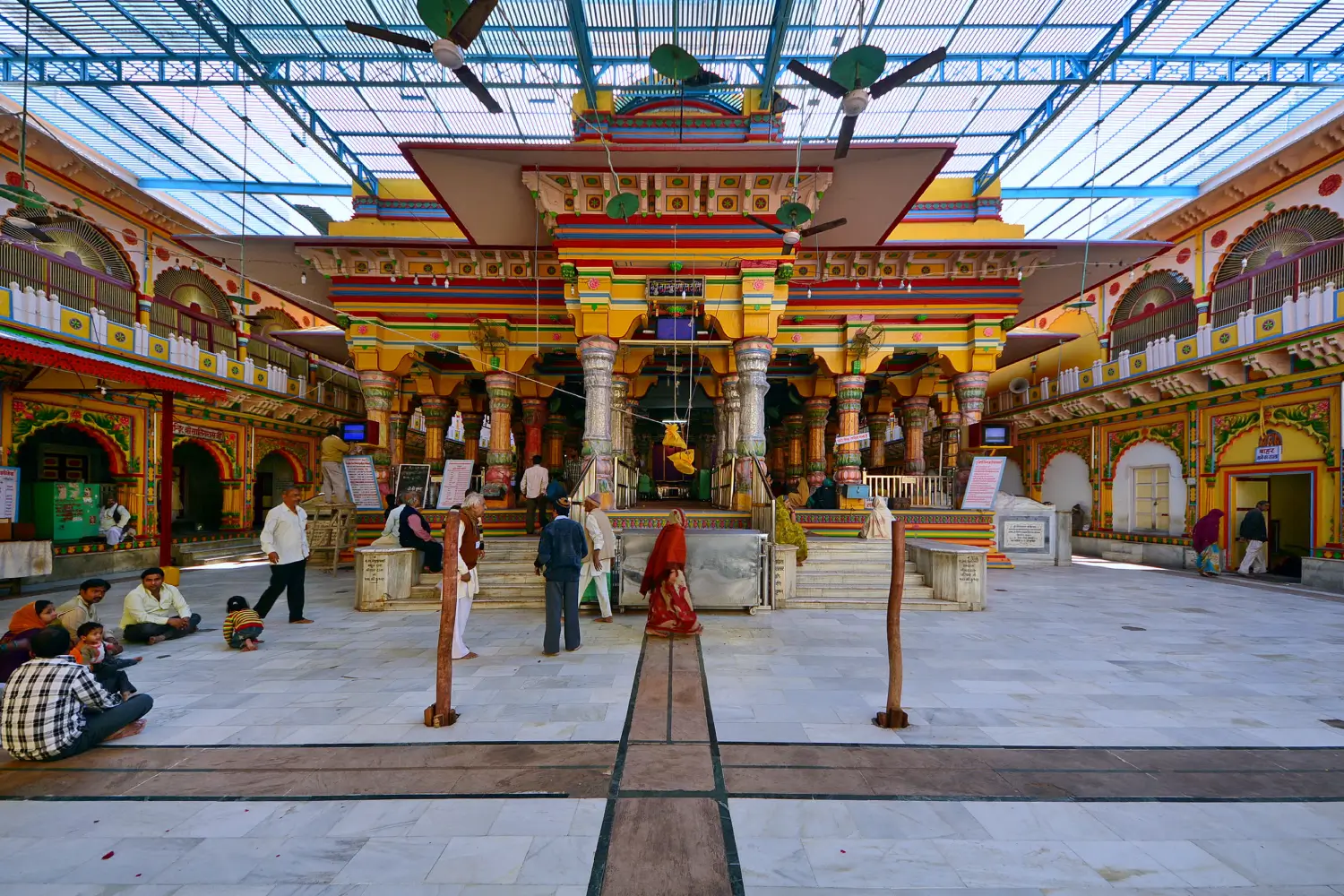
Nearby, the Dwarkadhish Temple offers a contrasting experience, more open, more rhythmic, and deeply integrated into daily life. Together, they represent two sides of Mathura: origin (Janmabhoomi) and living devotion (Dwarkadhish)
The "Zero-Device" Protocol : Entry here is stricter than most temples in North India. Mobile phones, cameras, smartwatches, car keys with electronic chips, and bags are not allowed inside.
Krishna Janmabhoomi darshan tip : Arrive early in the day to avoid longer queues caused by layered security checks. Use the designated locker, which stands near the entrance before joining the queue. Many visitors are turned back at the final checkpoint and lose their place.
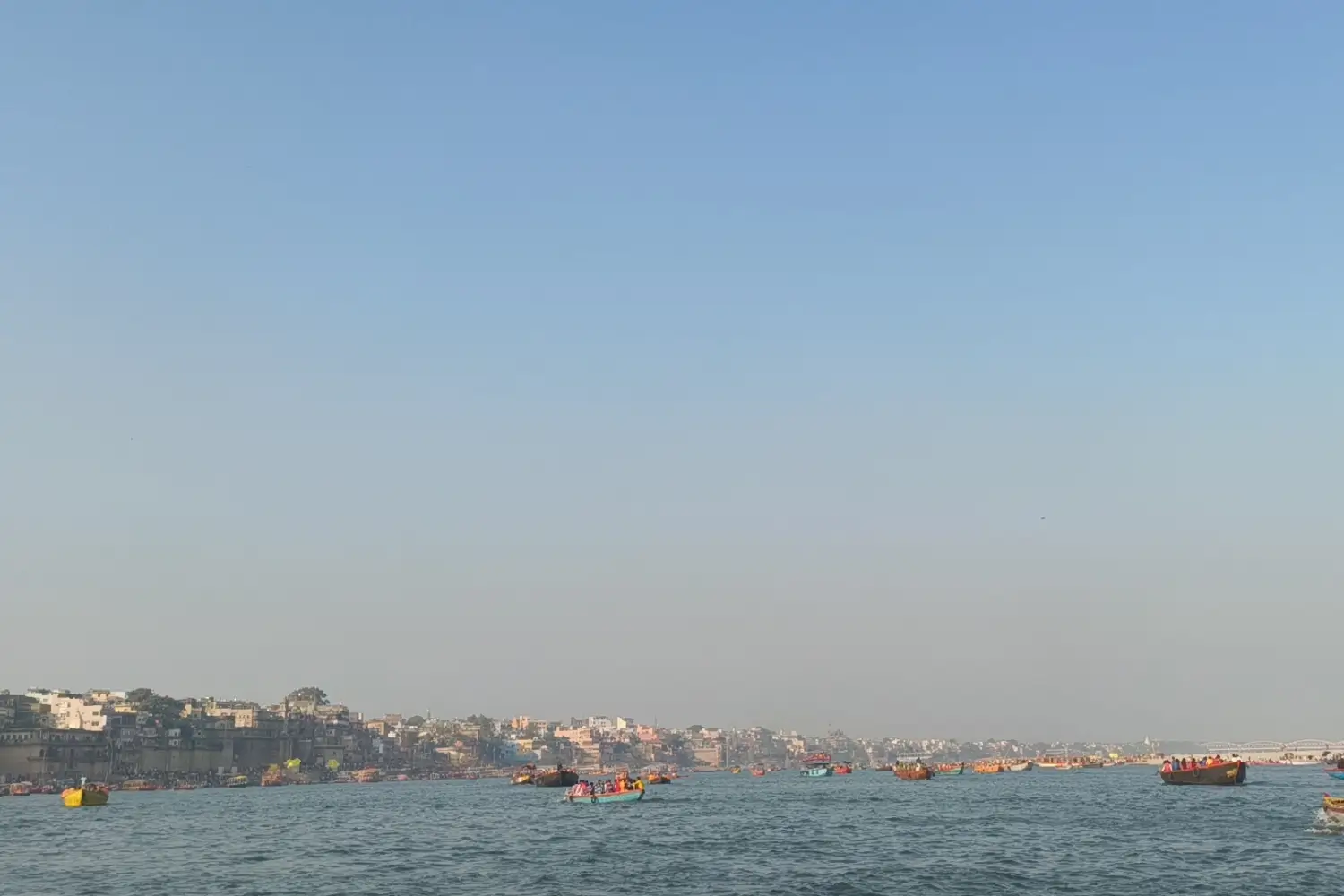
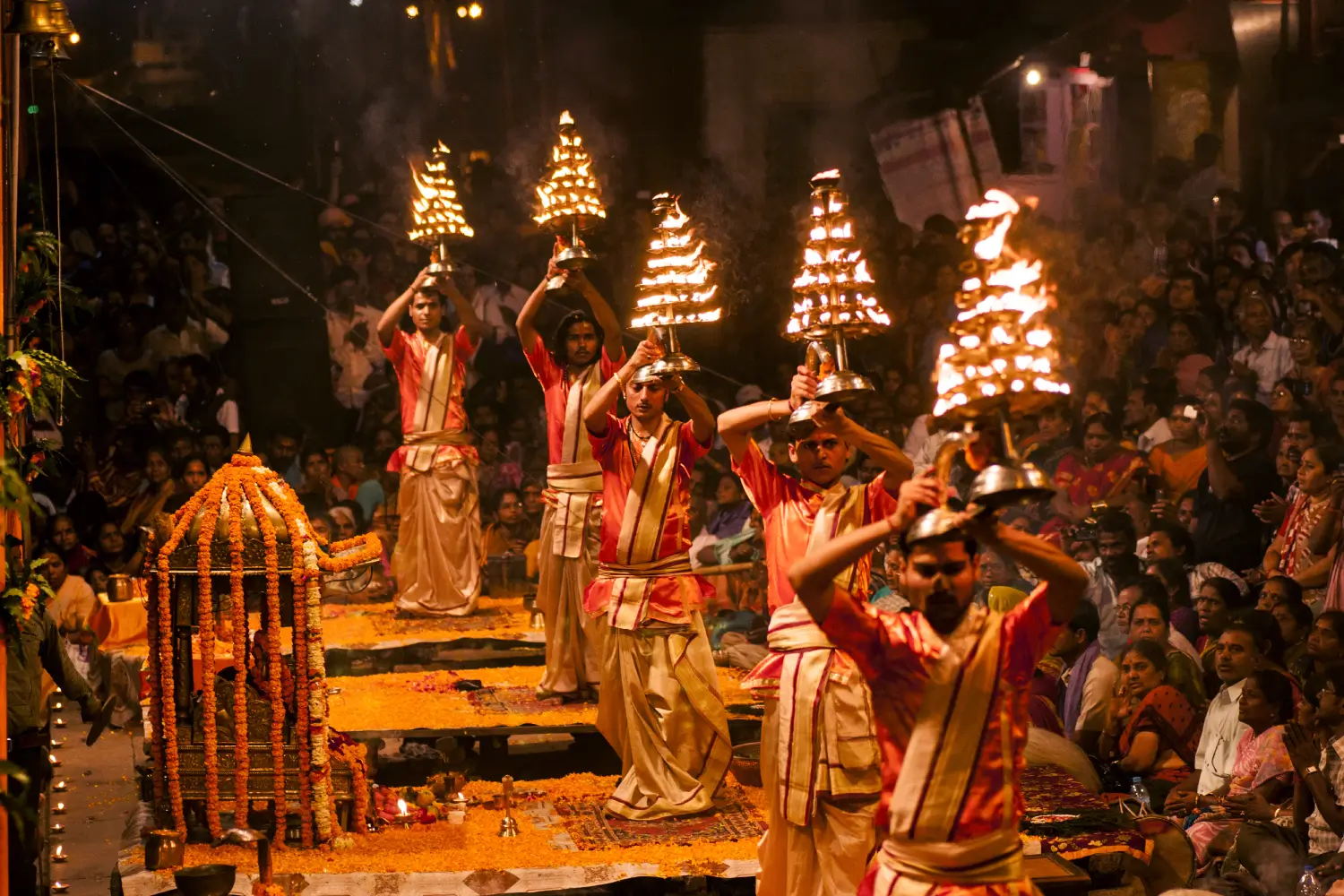
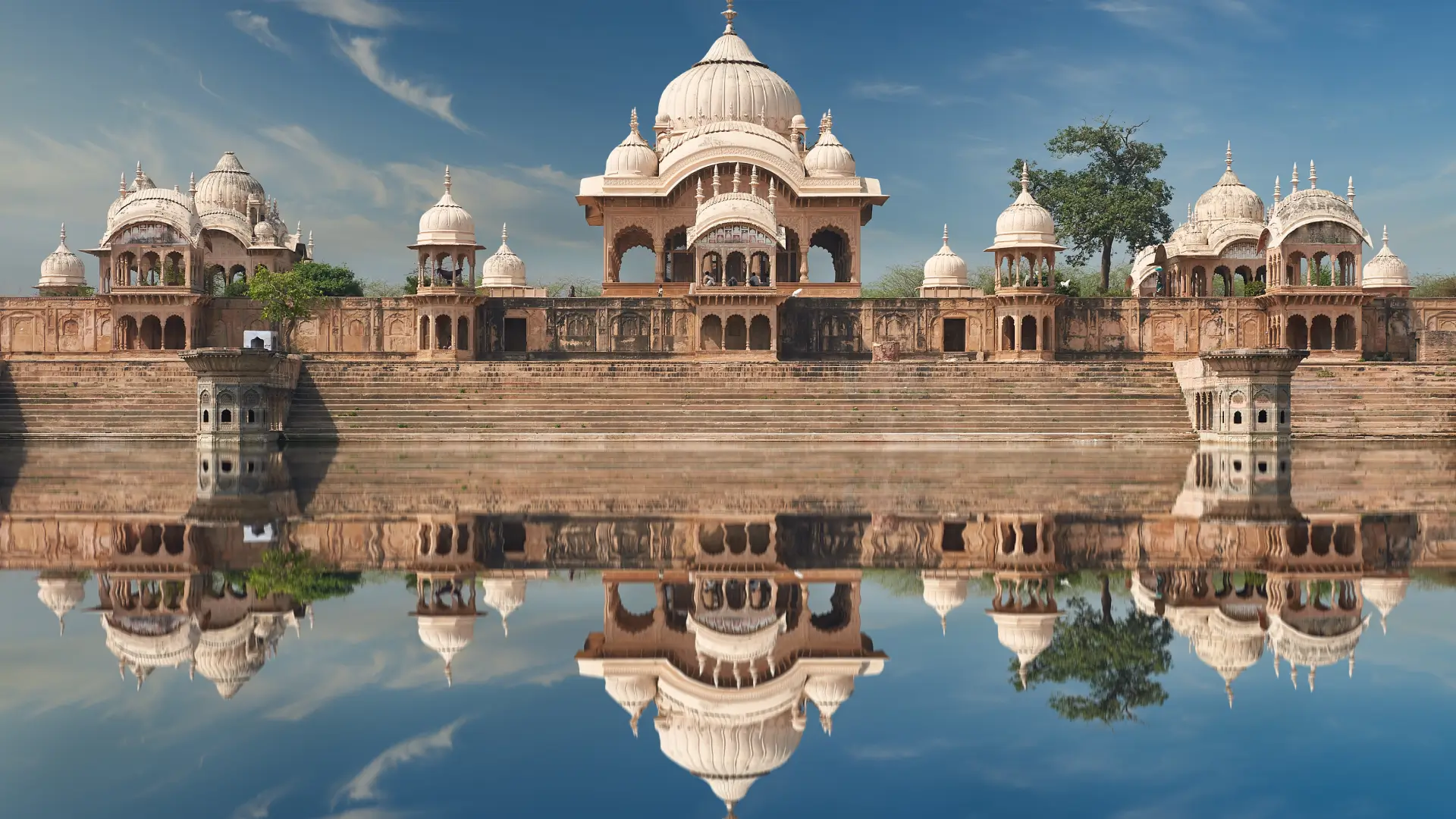
At Vishram Ghat, the Yamuna becomes the centre of the experience. As evening approaches, the ghat begins to fill gradually, and the aarti unfolds at a slower pace compared to larger river ceremonies.
Lamps are floated across the water, and the atmosphere remains more intimate, allowing visitors to sit close to the river and follow the ritual without being pushed by crowds.
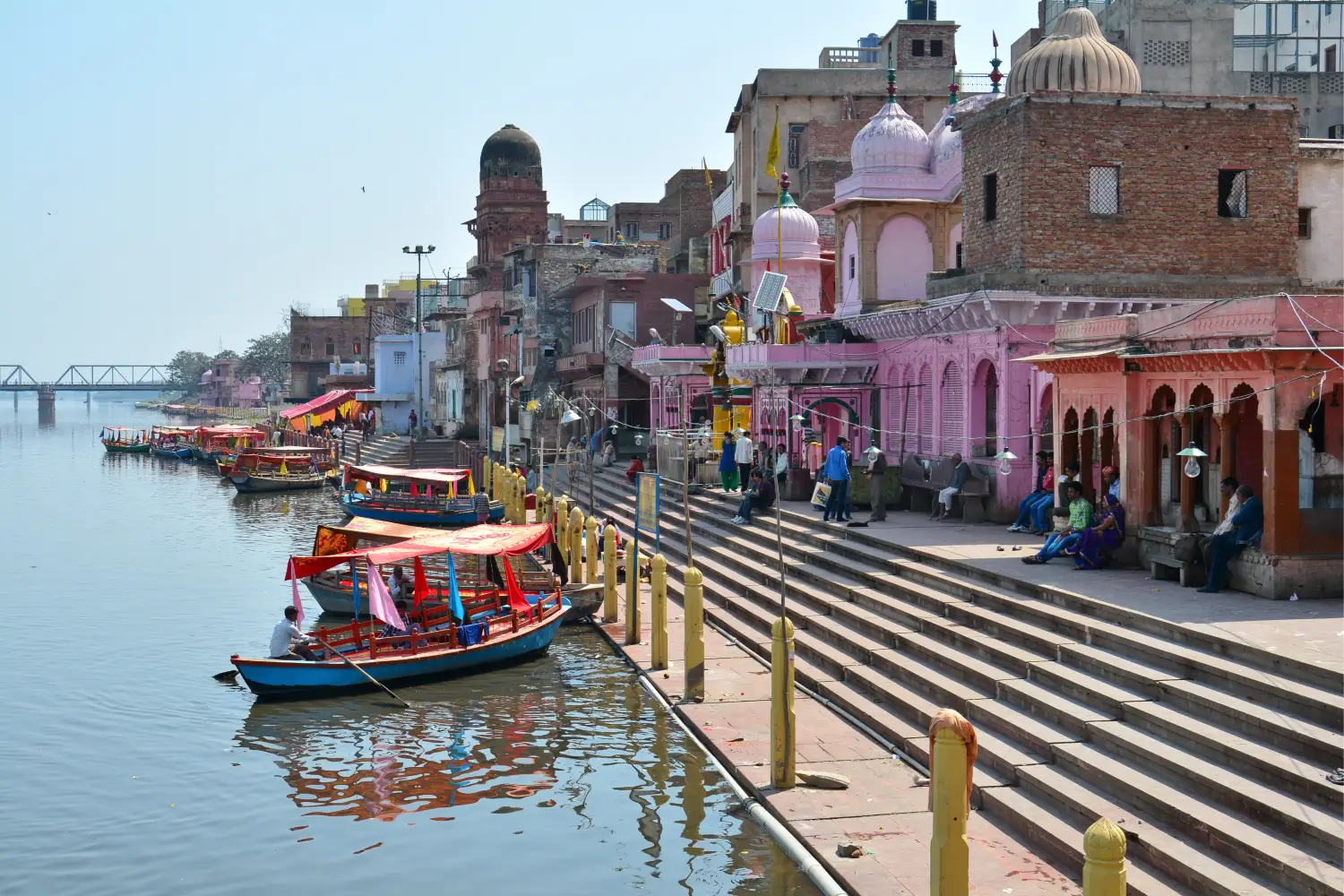
Pro Tip : For a clearer view, you can sit on a small wooden boat facing the ghat instead of standing in the crowd.
Govardhan Hill is not just a site, it's an act. The 21-23 km parikrama is walked barefoot by many pilgrims, moving steadily along the path that circles the hill believed to have been lifted by Krishna.
This act of parikrama symbolises faith in Krishna's protection, recalling the moment he lifted Govardhan to shield villagers from Indra's storm.
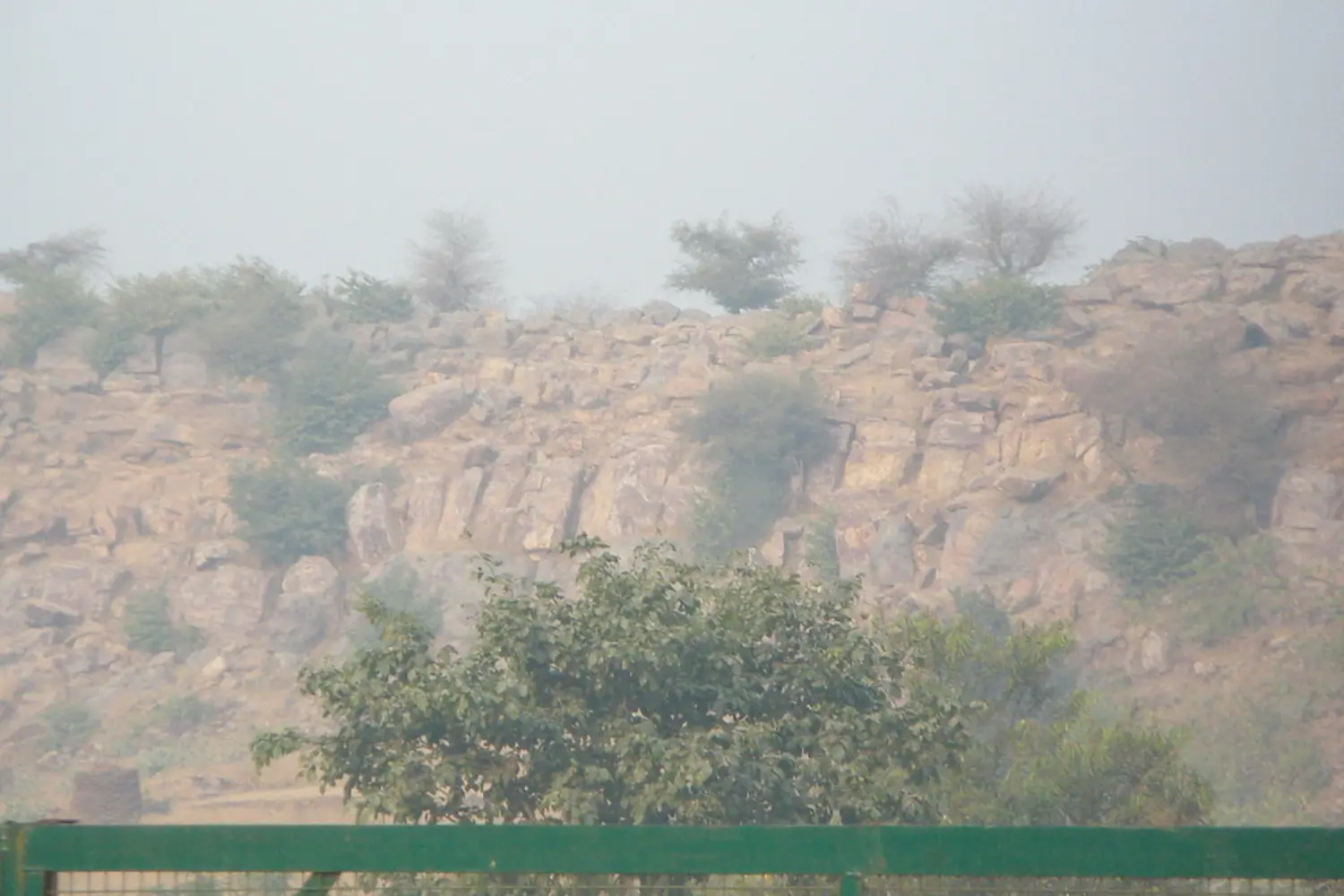
Practical Tip : Begin the Govardhan parikrama early in the morning, before 6 AM, to complete it at a comfortable pace and avoid the midday heat.
Mathura is known for its peda, a simple milk - based sweet that has been prepared here for generations. Peda is available across the old city, especially near temple areas, and is often taken as prasad after temple visits.
Pro Tip : While it's easy to find, quality varies; buy from well - known shops for the best taste.
| Preference | Area | What to Expect |
| Close to Janmabhoomi | Near old city | Walking access, crowded |
| Near Vishram Ghat | River proximity | Good for aarti access |
| Comfortable stay | Raman Reti / ISKCON side | Better hotels, quieter |
October to March is the most comfortable season for visiting Mathura. Janmashtami in August draws millions of devotees to Mathura and is the most spiritually charged time to visit but requires advance booking of accommodation. Holi in March, particularly the Lathmar Holi at nearby Barsana, is one of the most extraordinary festival experiences in northern India.
How to Reach Mathura ?Pro Tip : Combine Mathura and Vrindavan as Days 1 and 2 before moving on to Lucknow and Ayodhya to follow a logical west-to-east pilgrimage route.
This route is commonly used as part of a Mathura-Vrindavan itinerary from Ayodhya, especially within multi-city spiritual circuits.
Things That Can Affect Your Visit| Destination | Spiritual Focus | Experience Type | Role in Journey |
|---|---|---|---|
| Ayodhya | Devotion (Rama) | Temple darshan | Beginning |
| Mathura | Origin (Krishna) | Birthplace & ghats | Transition |
| Vrindavan | Emotional Bhakti | Temples & streets | Immersion |
| Prayagraj | Confluence | Sangam ritual | Cleansing |
| Varanasi | Moksha (Shiva) | Ganga & temples | Intensity |
Moving from Ayodhya to Mathura involves more than just travel, it requires planning around temple timings, security checks, and movement across the Braj region.
Call +919212553109 to plan your Ayodhya-Mathura-Vrindavan tour, including:
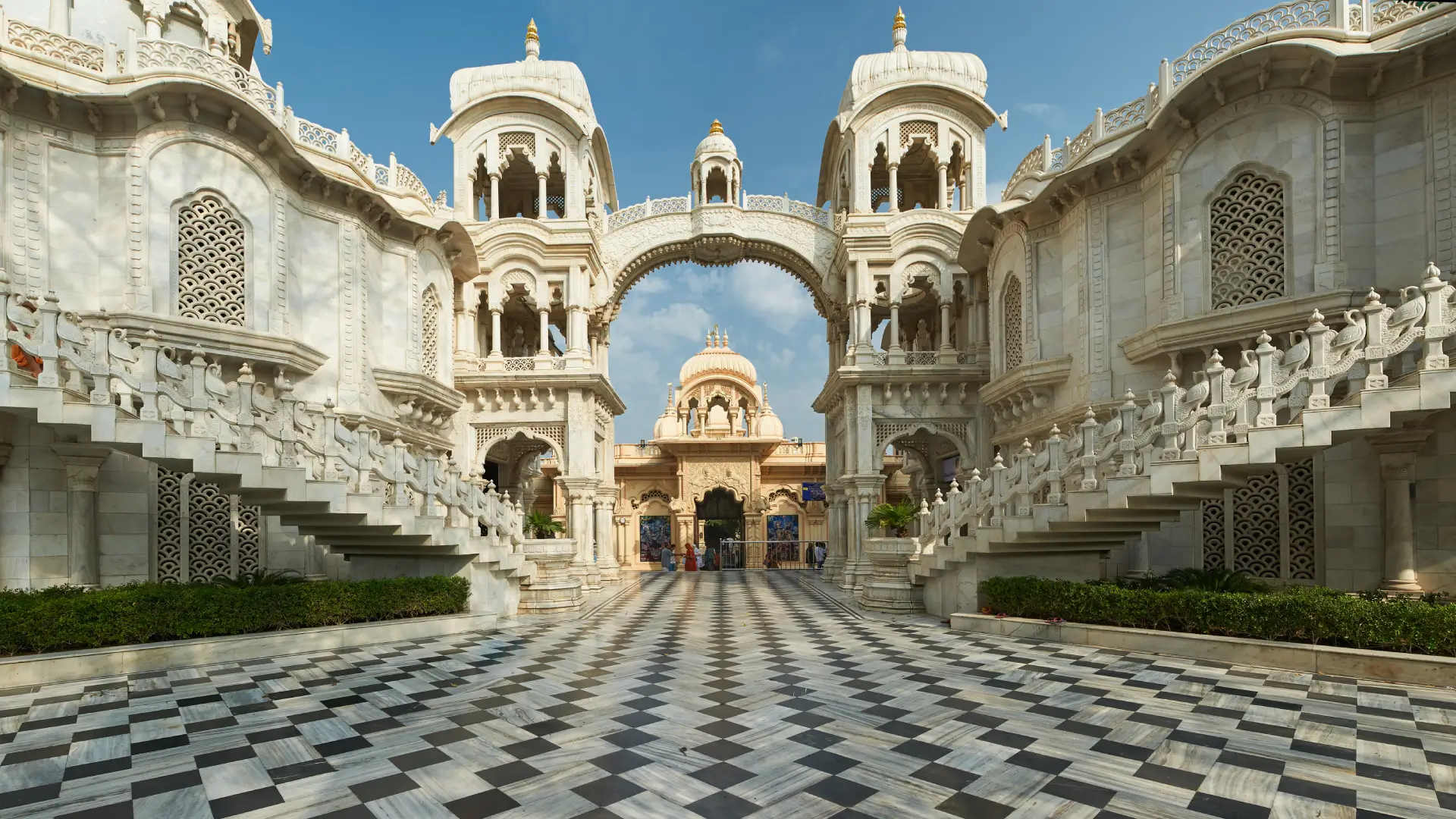
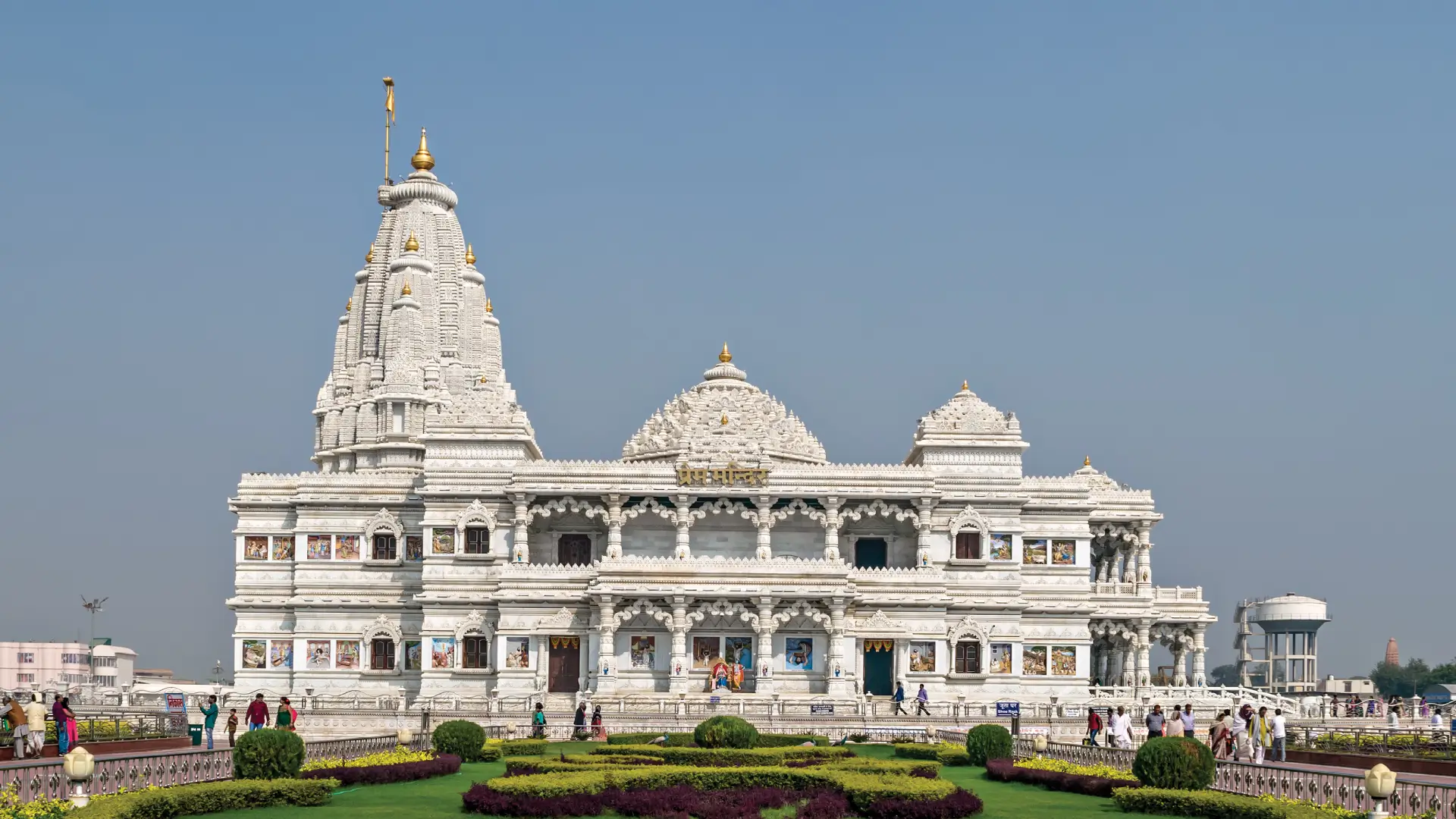
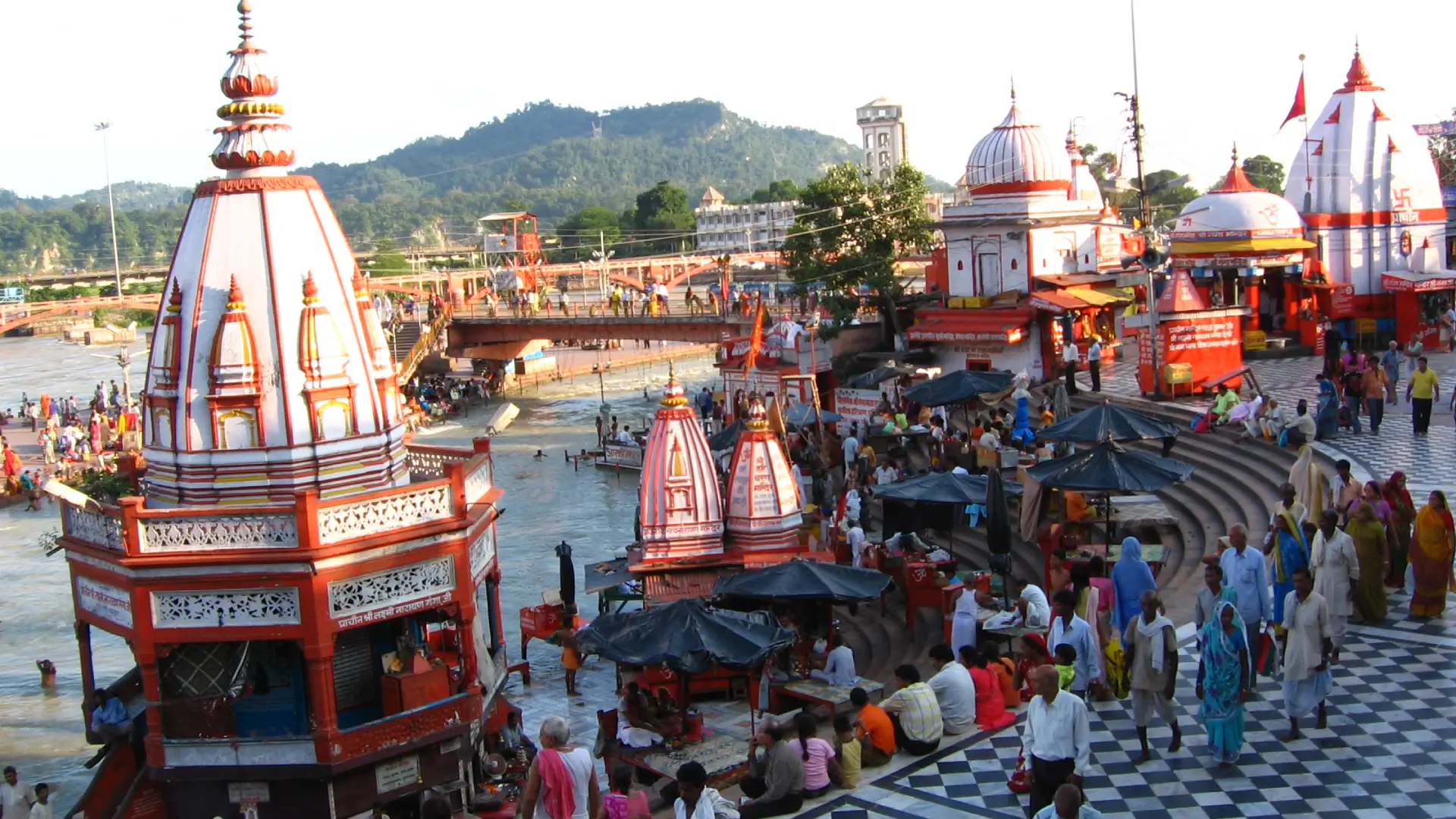
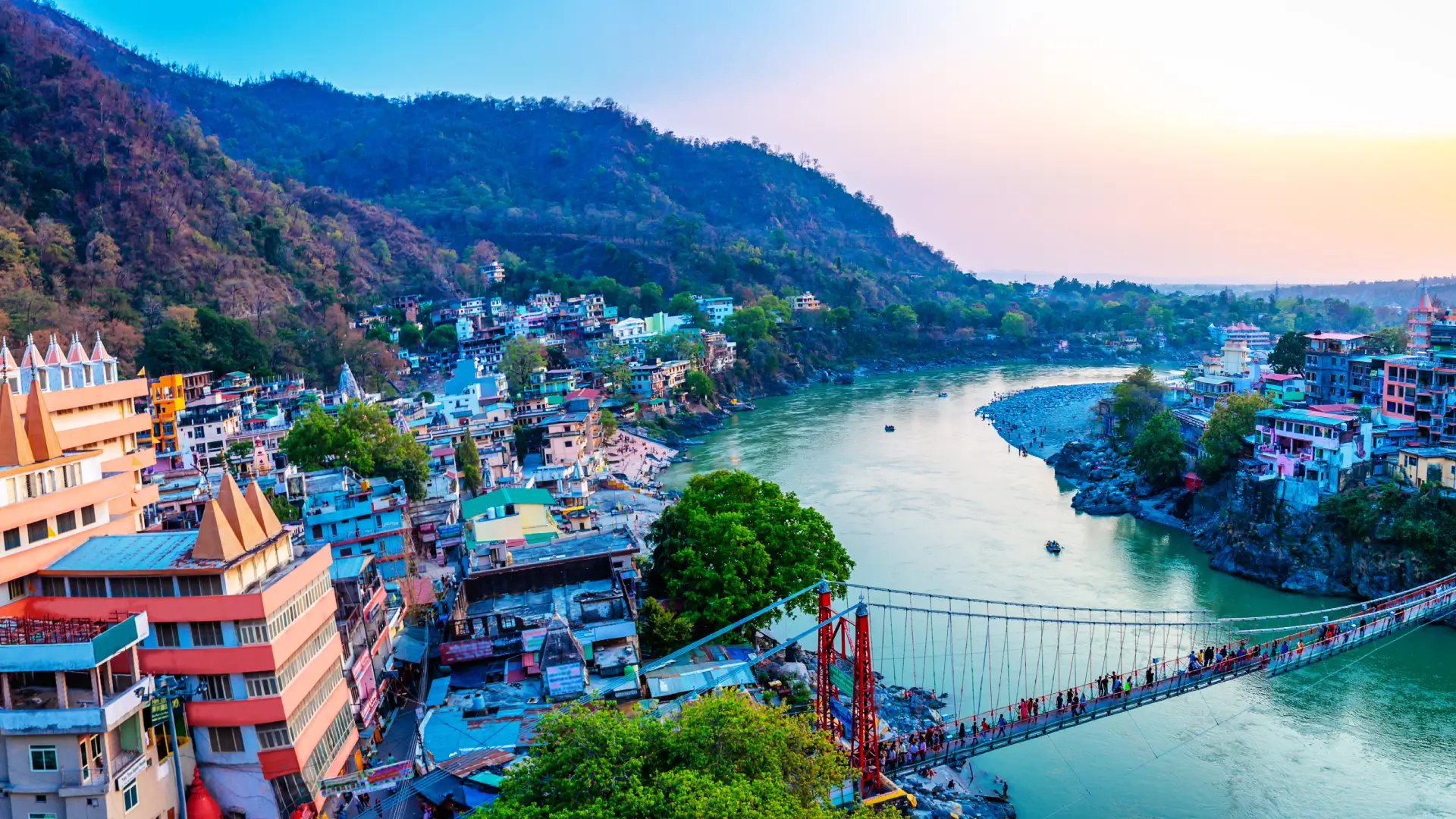
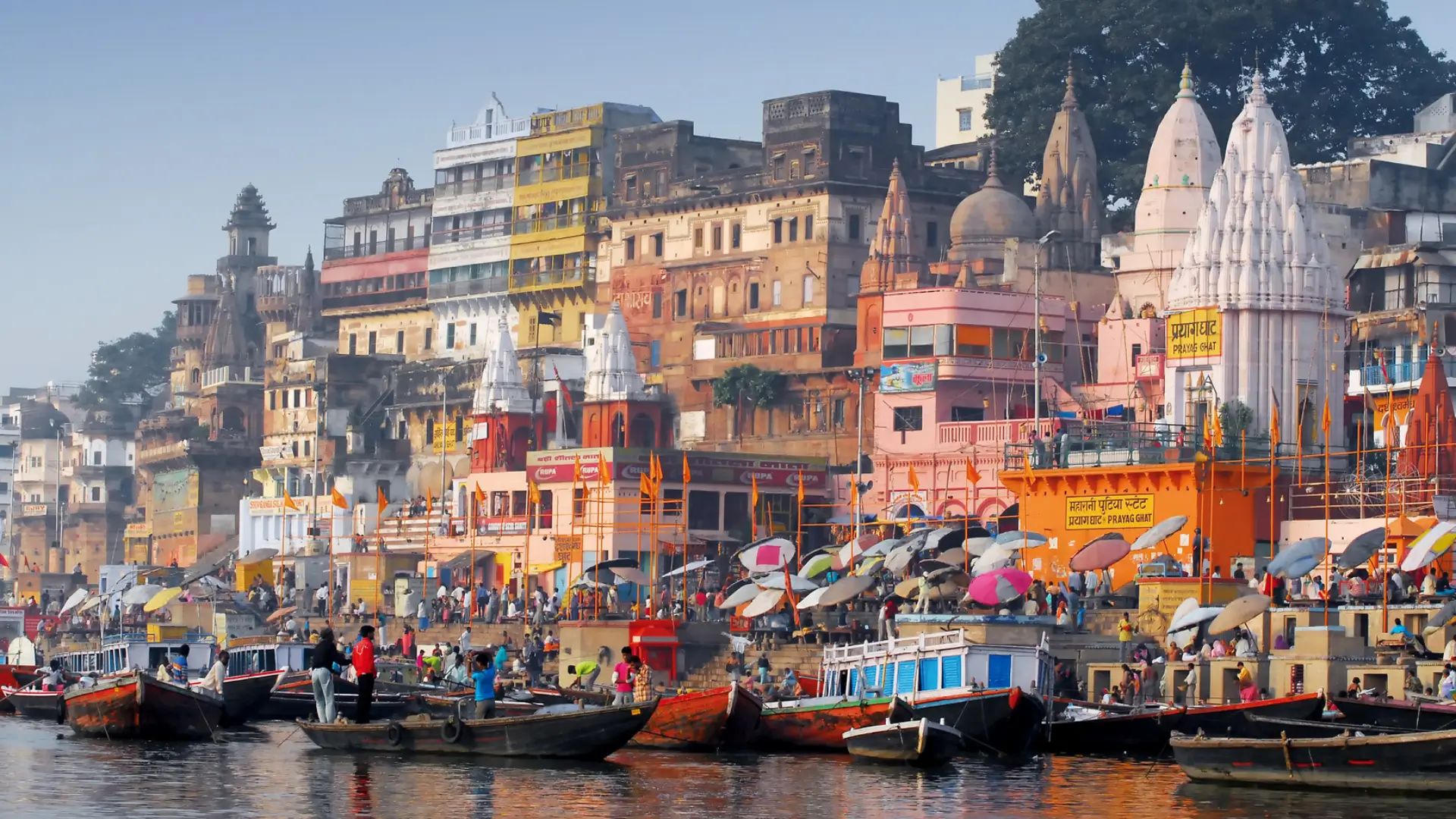
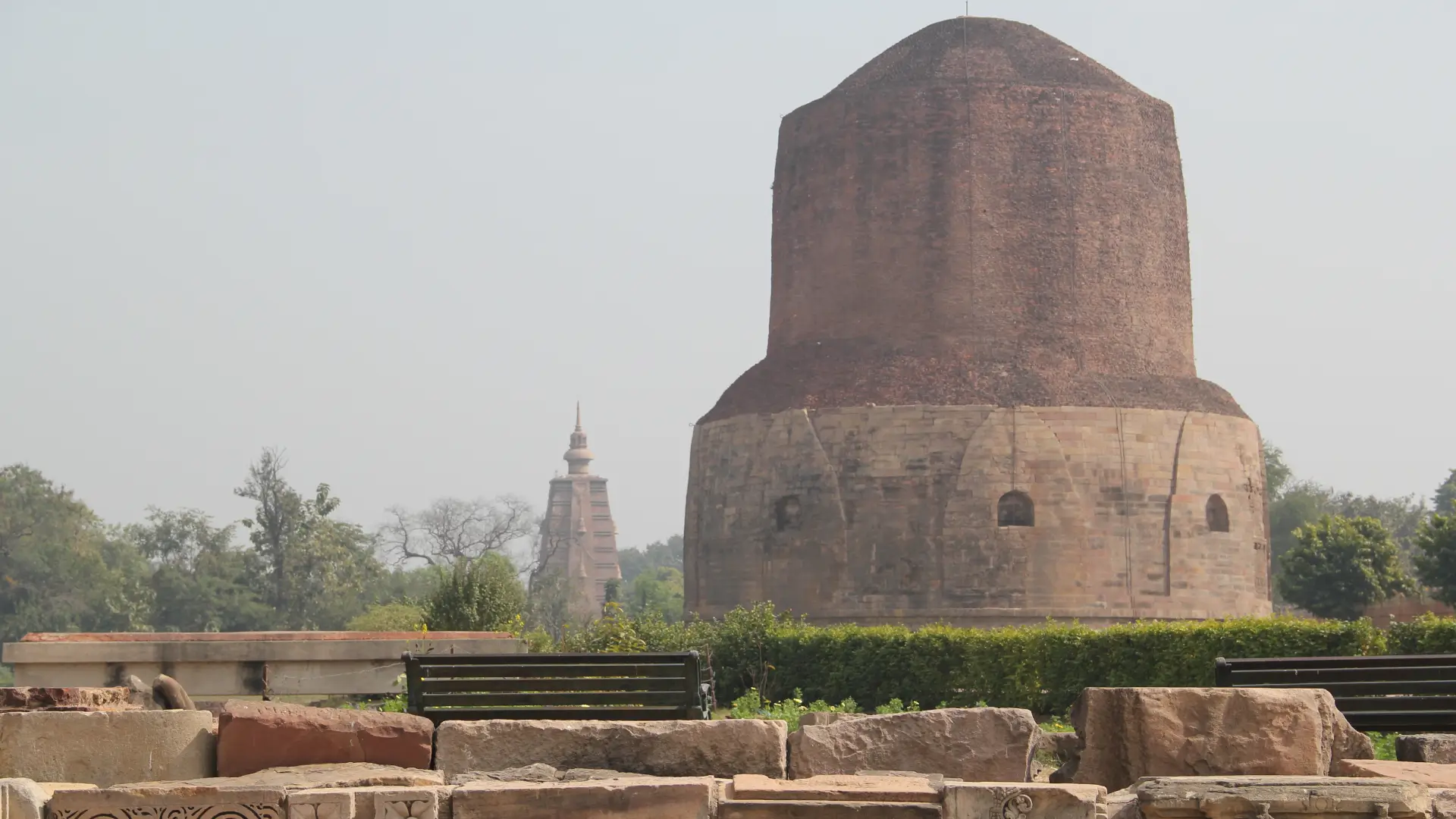
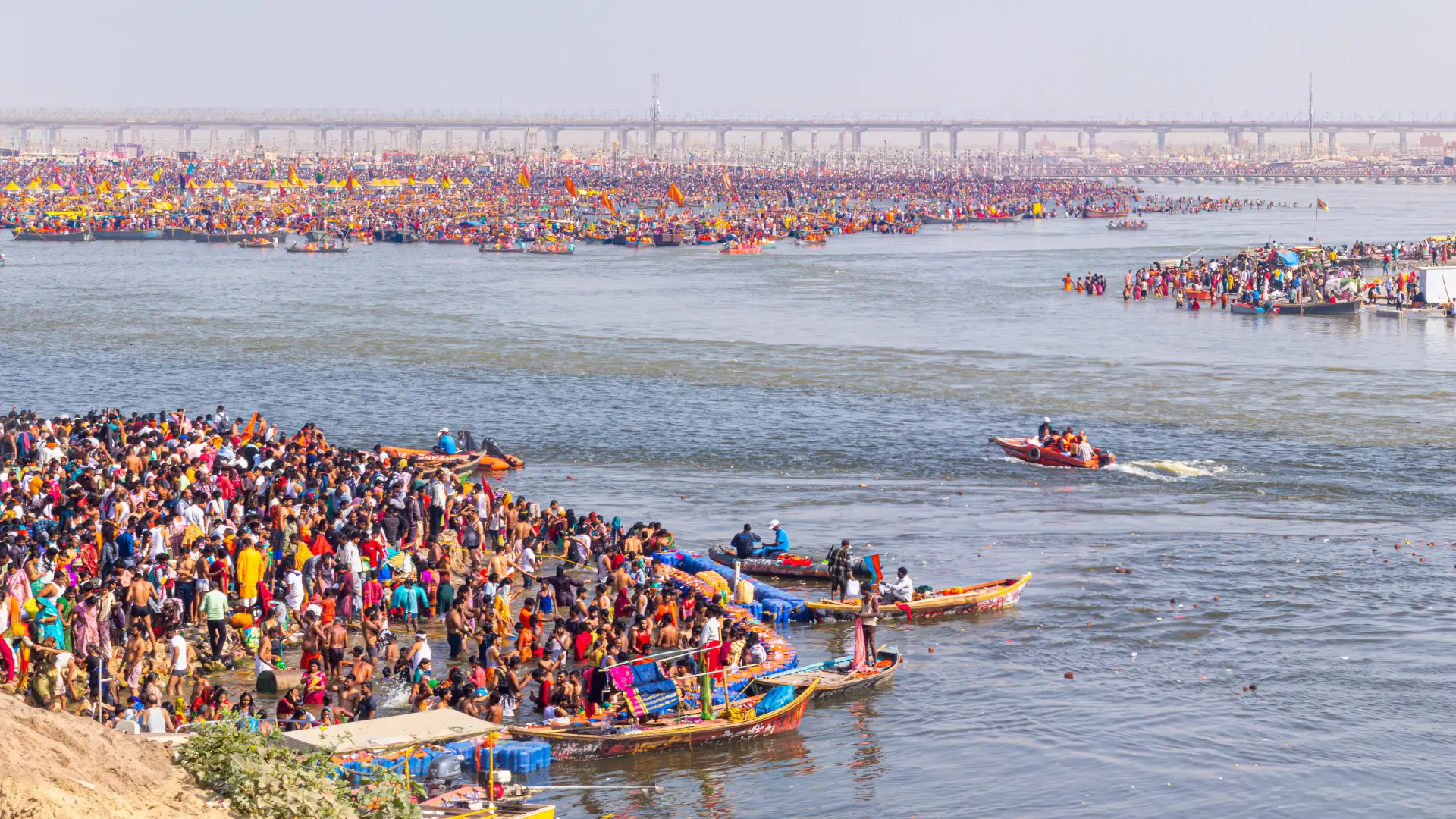
While visiting Ayodhya, the birthplace of Lord Rama, one can visit several other holy towns of the nation which carry a huge significance in the heart of Hindus and are widely recognised for their historical relevance are stated below.
Explore LocationsGet the Best Deals on Ayodhya Holiday Packages. Request for free quotes.
2 days are usually enough to cover the main temples, Yamuna ghats, and a visit to Govardhan while keeping the pace comfortable.
Yes. Many travellers include Mathura and Vrindavan as part of a broader Uttar Pradesh spiritual circuit covering Ayodhya, Prayagraj, and Varanasi.
Early morning (before 9 AM) is the most suitable time for a calmer darshan experience, as security checks and queues increase later in the day.