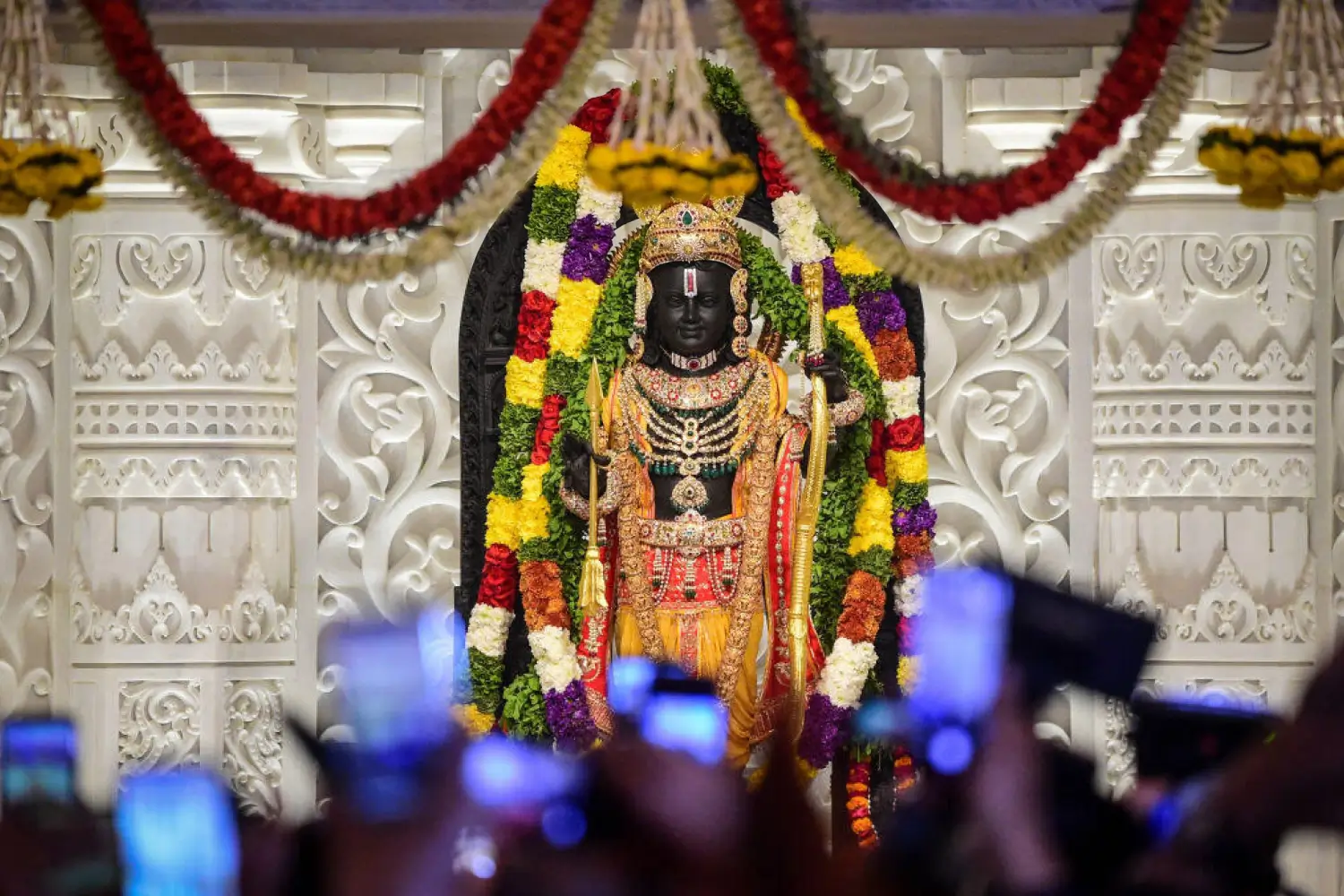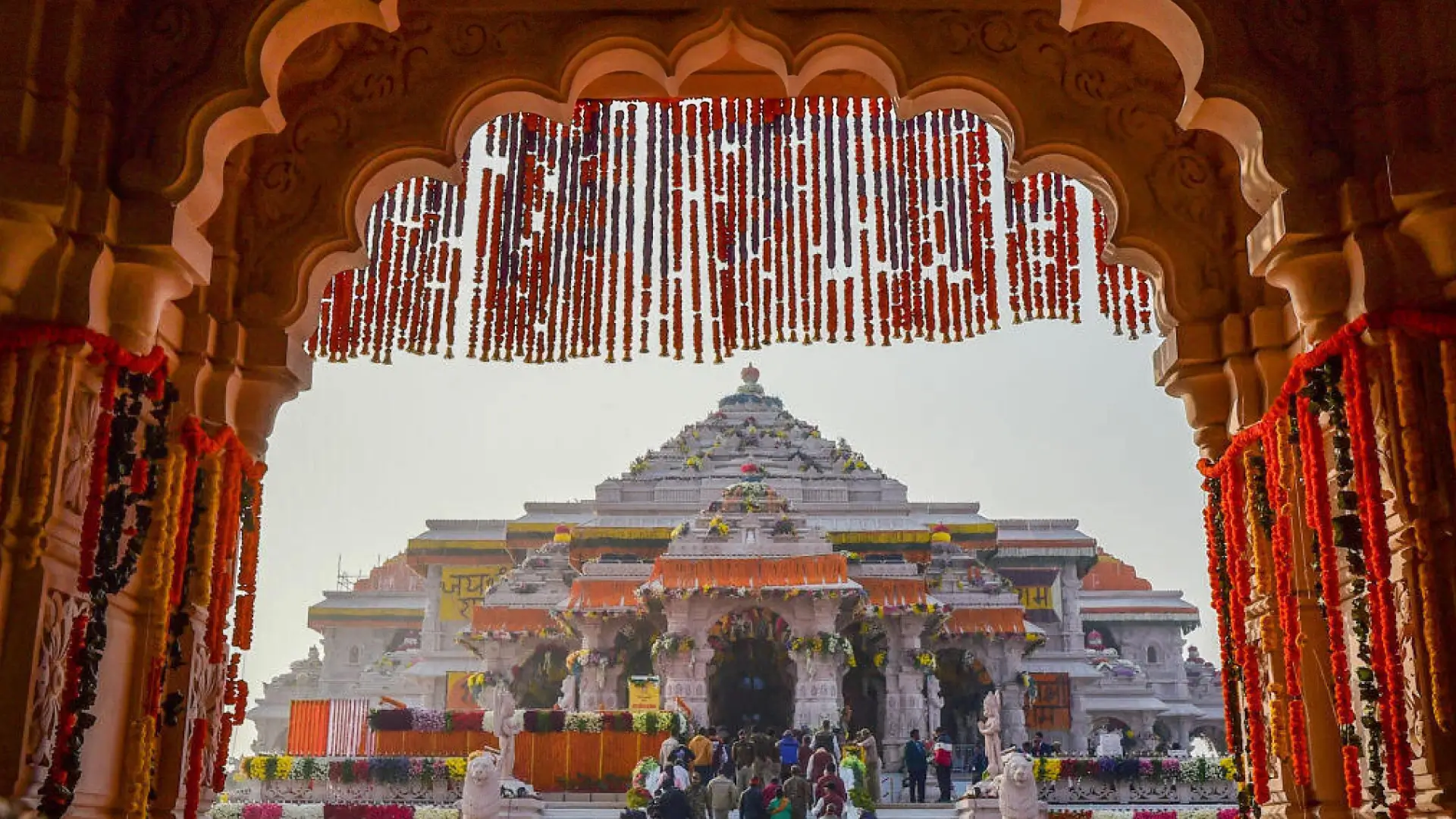

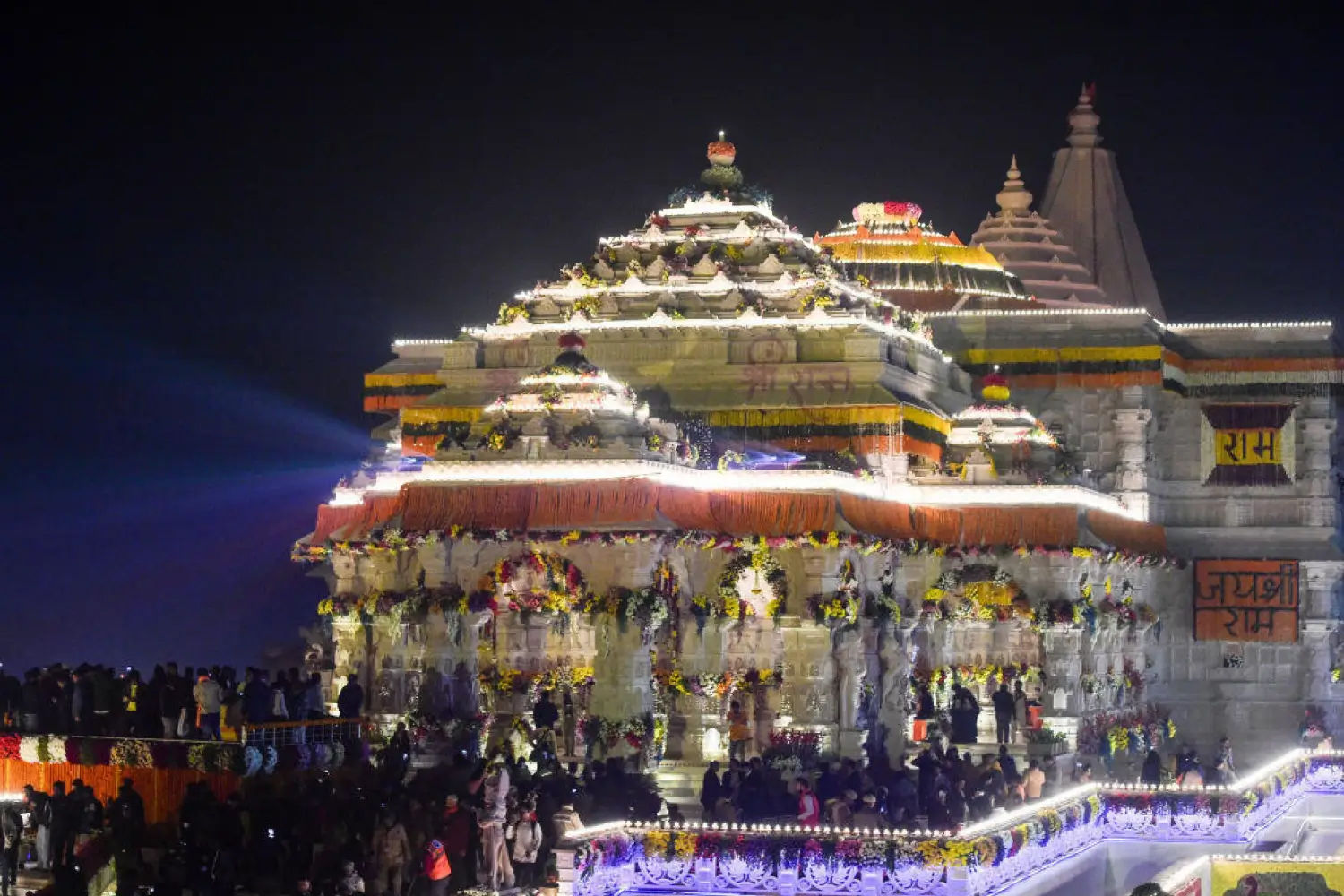
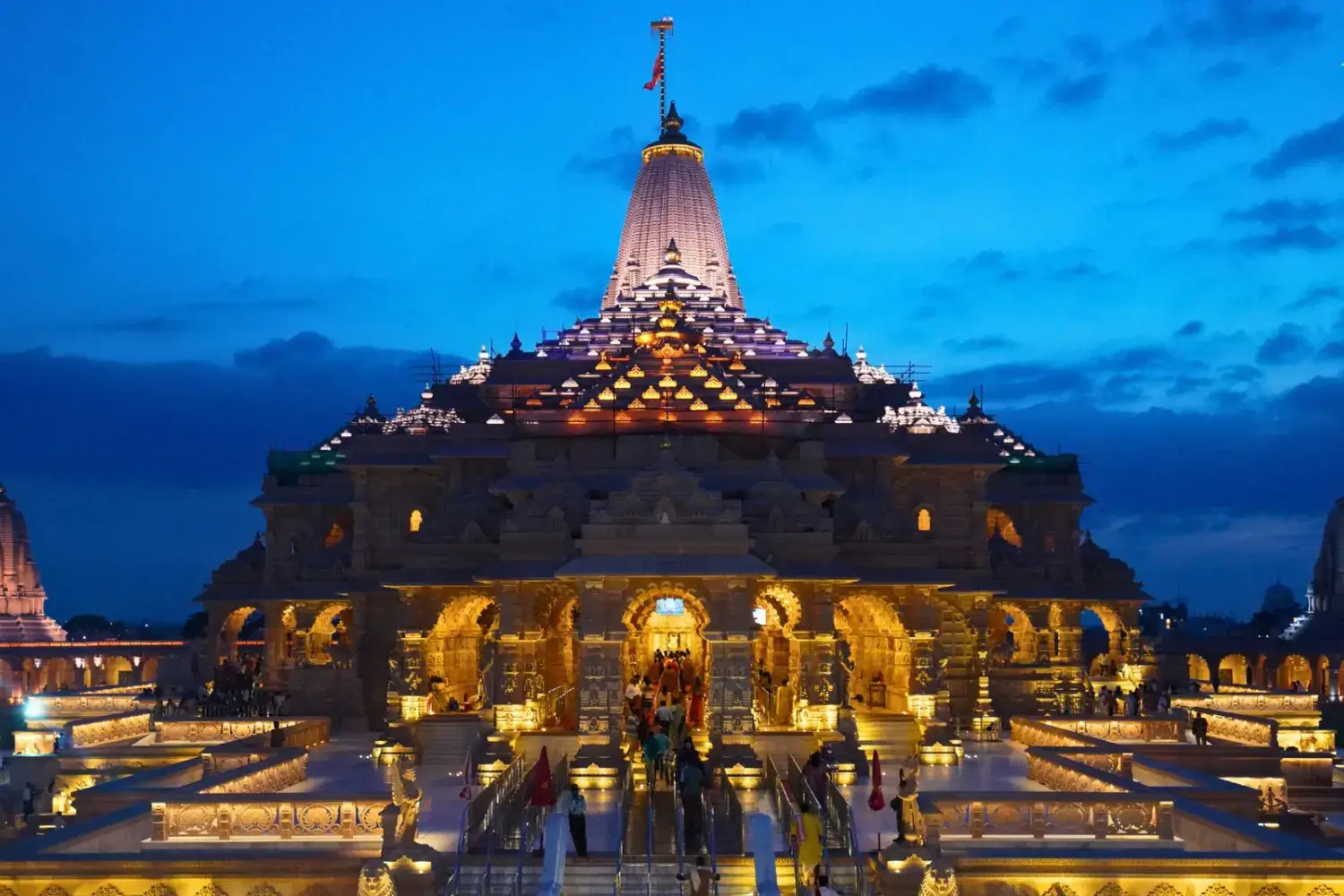
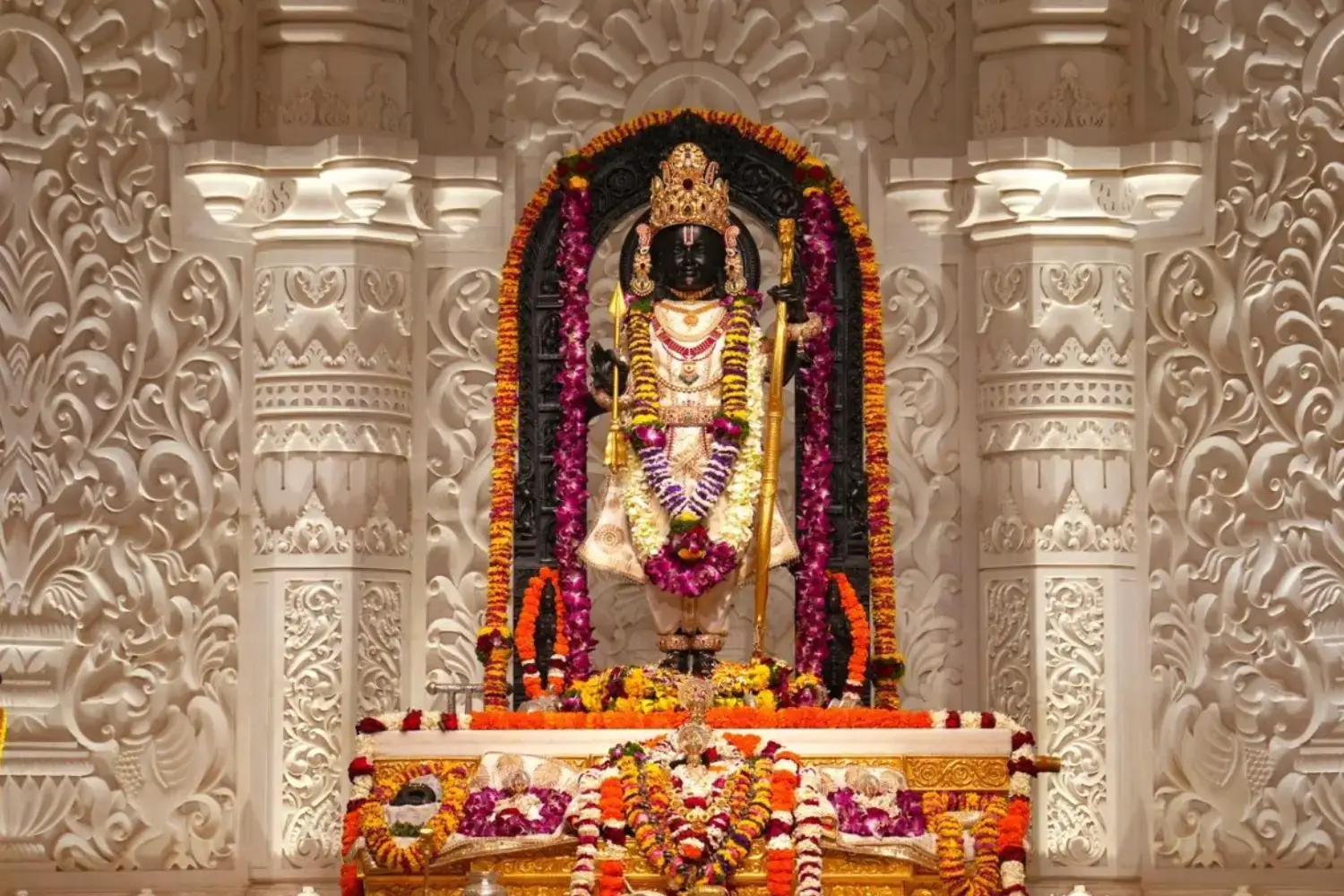
According to the holy book of Ramayana, the ancient city of Ayodhya is where the Hindu deity Lord Rama was born. It is therefore, at his birthplace where today stands the Shree Ram Janmabhoomi Mandir at Ayodhya. Dedicated to Lord Rama, the temple holds immense religious significance among Hindu devotees. The construction of the Shree Ram Janmabhoomi Temple at Ayodhya was started by laying the ceremonial foundation stone on 5th August 2020 by the Prime Minister of India, Narendra Modi. After years of dedicated work, the Shree Ram Janmabhoomi Mandir now stands as the pride of Ayodhya. The temple has been built following the Nagara style of temple architecture and has now become one of the top pilgrimage destinations among Hindus in India and abroad. Now open to devotees, the temple opened its door for worship after the Pran Pratistha ceremony on 22nd January 2024 and worships Lord Rama in his younger form of the Ram Lalla.
Tourism in Ayodhya has been heavily influenced over the last few years especially after the construction of Ram Mandir. Ayodhya being Lord Ram's birthplace is a popular tourist attraction in India as it attracts tourists from all over the world. Devotees visit Ayodhya to receive blessings from Lord Rama.

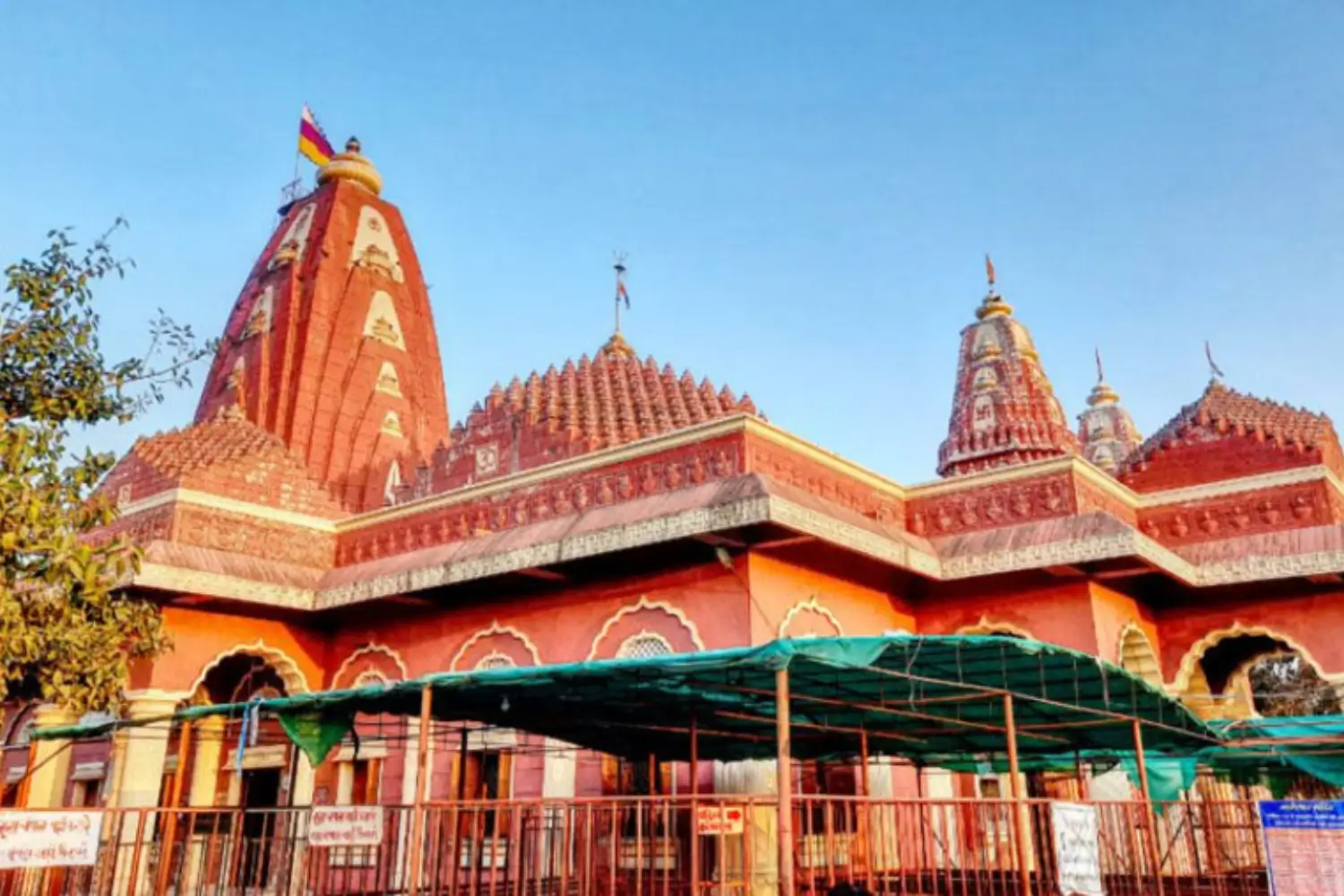
An ancient temple dedicated to Lord Shiva, believed to have been established by Kush, the son of Lord Rama.
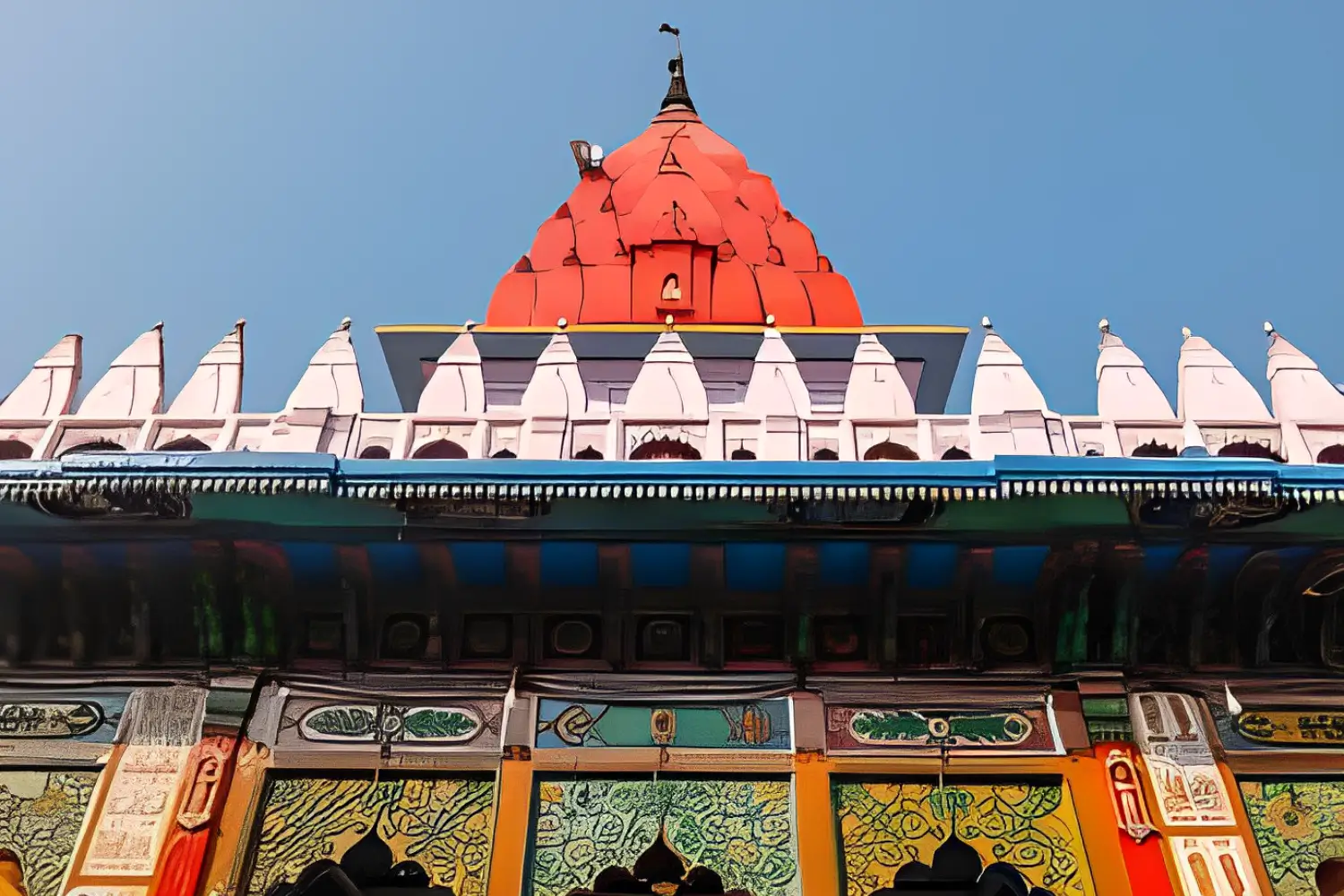
A temple dedicated to Lord Hanuman, situated on a hilltop. Devotees believe visiting here first is essential before Ram Janmabhoomi.
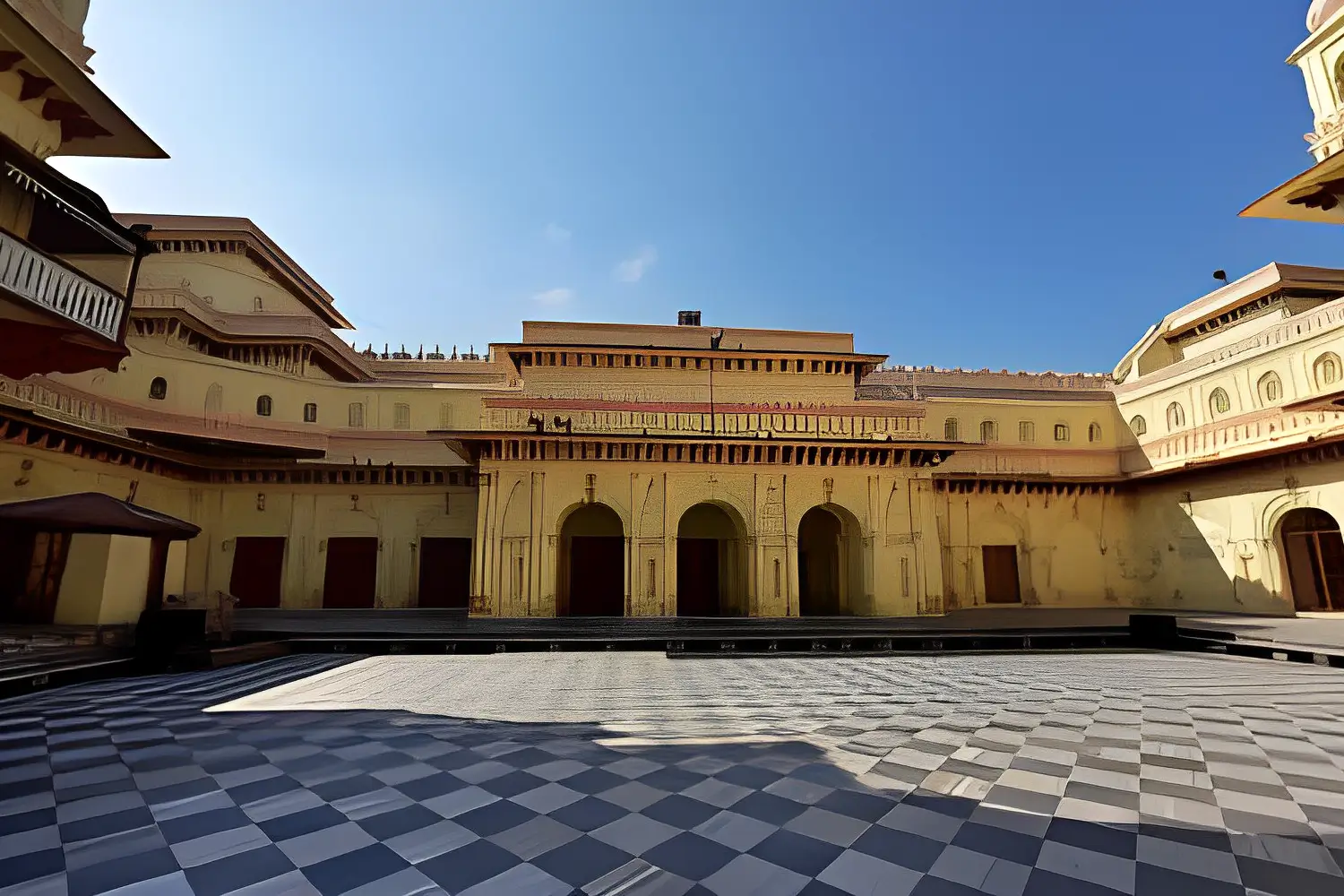
A beautiful temple dedicated to Lord Rama and Goddess Sita. Known for its ornate architecture and golden idols.
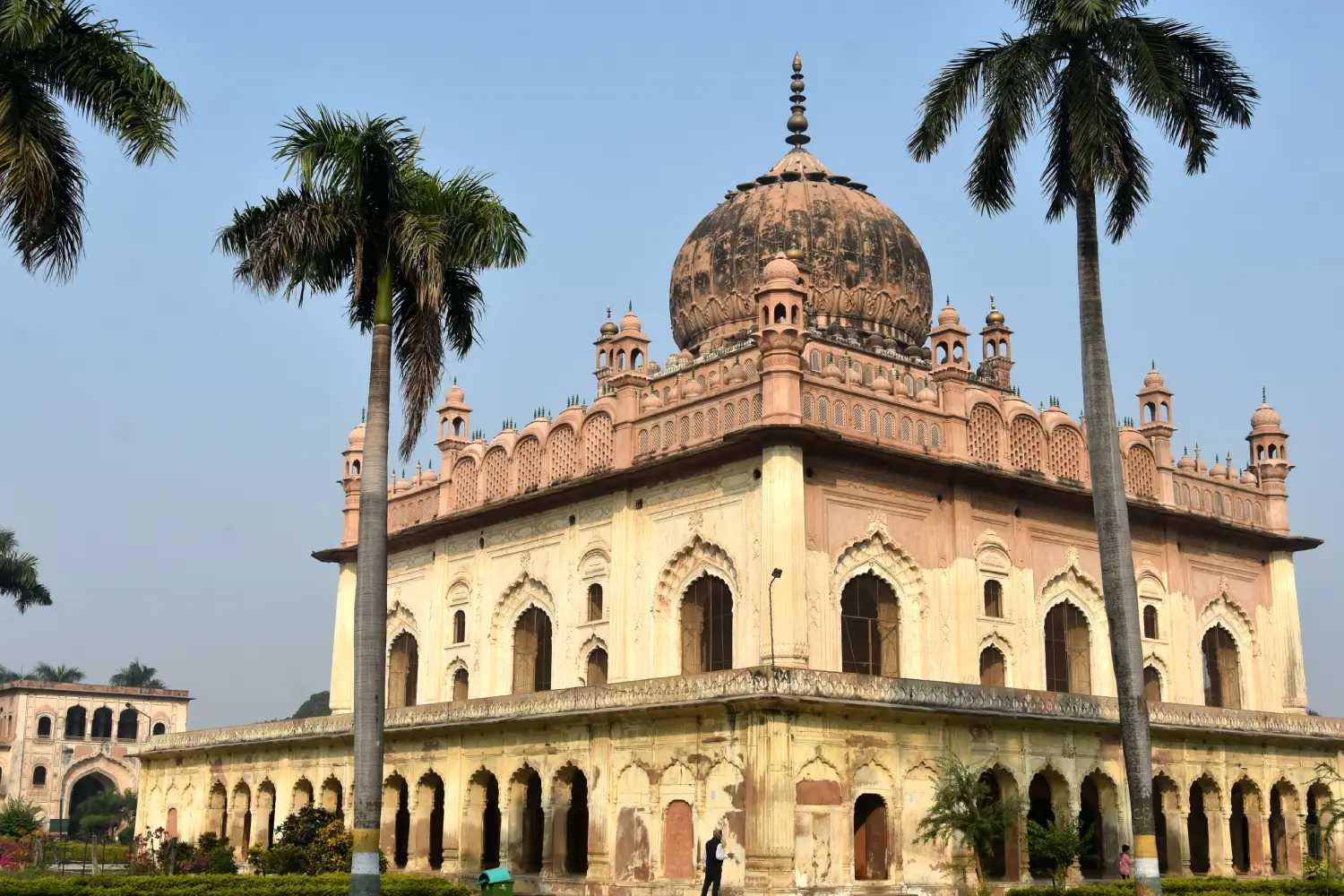
A historic garden and tomb complex known for its serene atmosphere and beautiful rose plantations. It houses the mausoleum of Nawab Shuja-ud-Daula and is a peaceful retreat in the city.
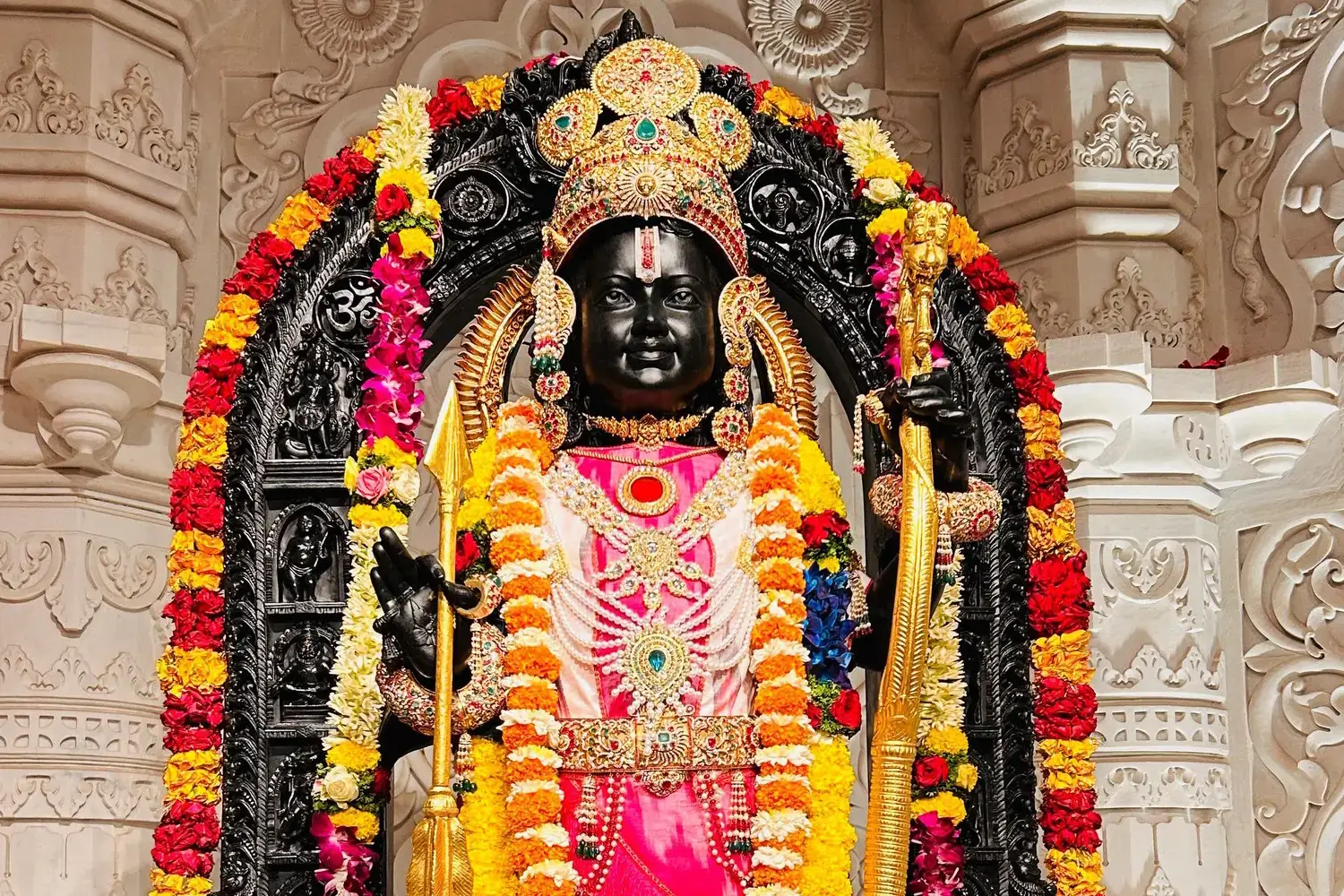
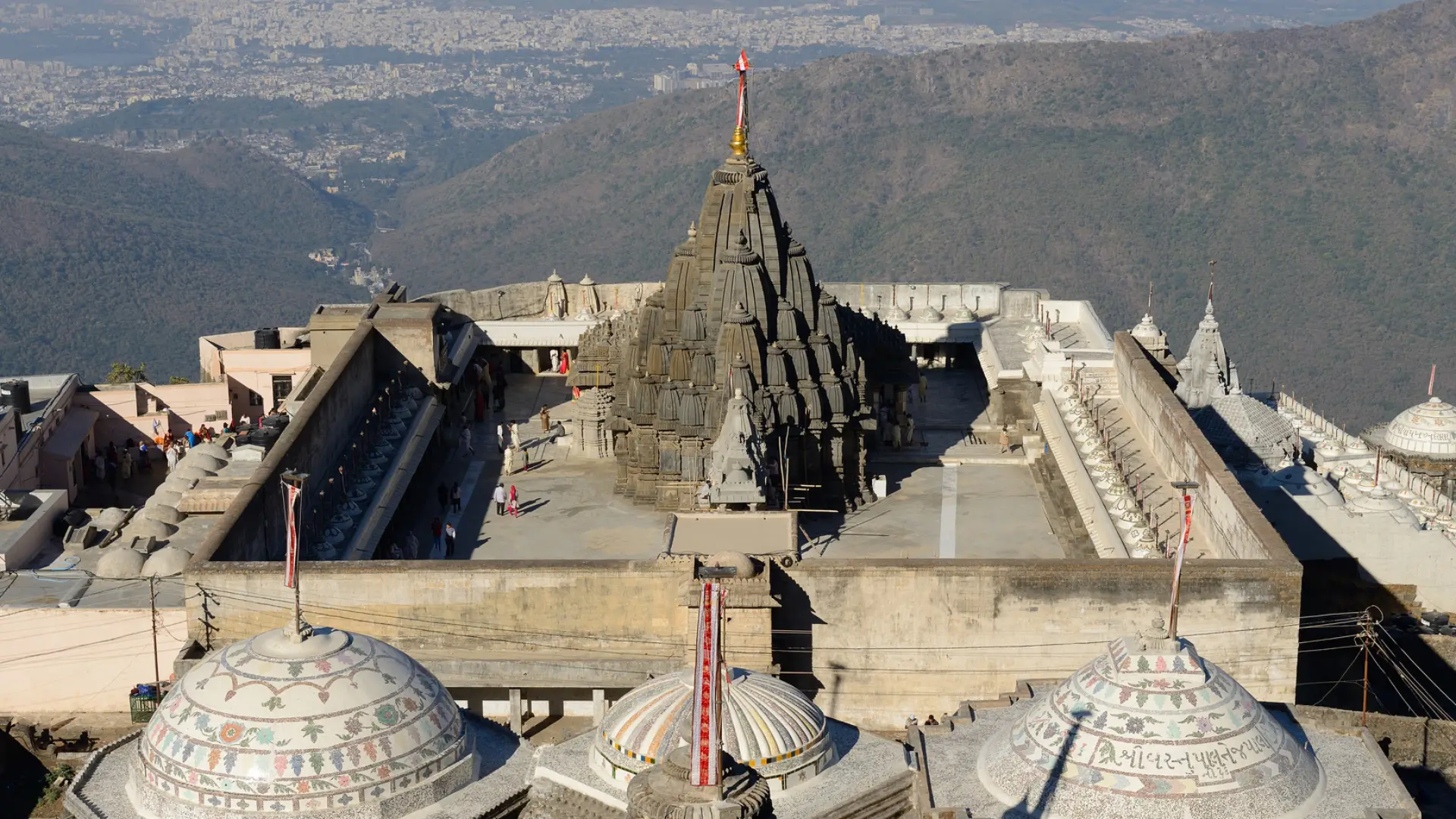
A sacred Jain temple dedicated to the Tirthankaras, believed to mark the birthplace of several Jain saints. It is admired for its calm environment and intricate marble architecture.
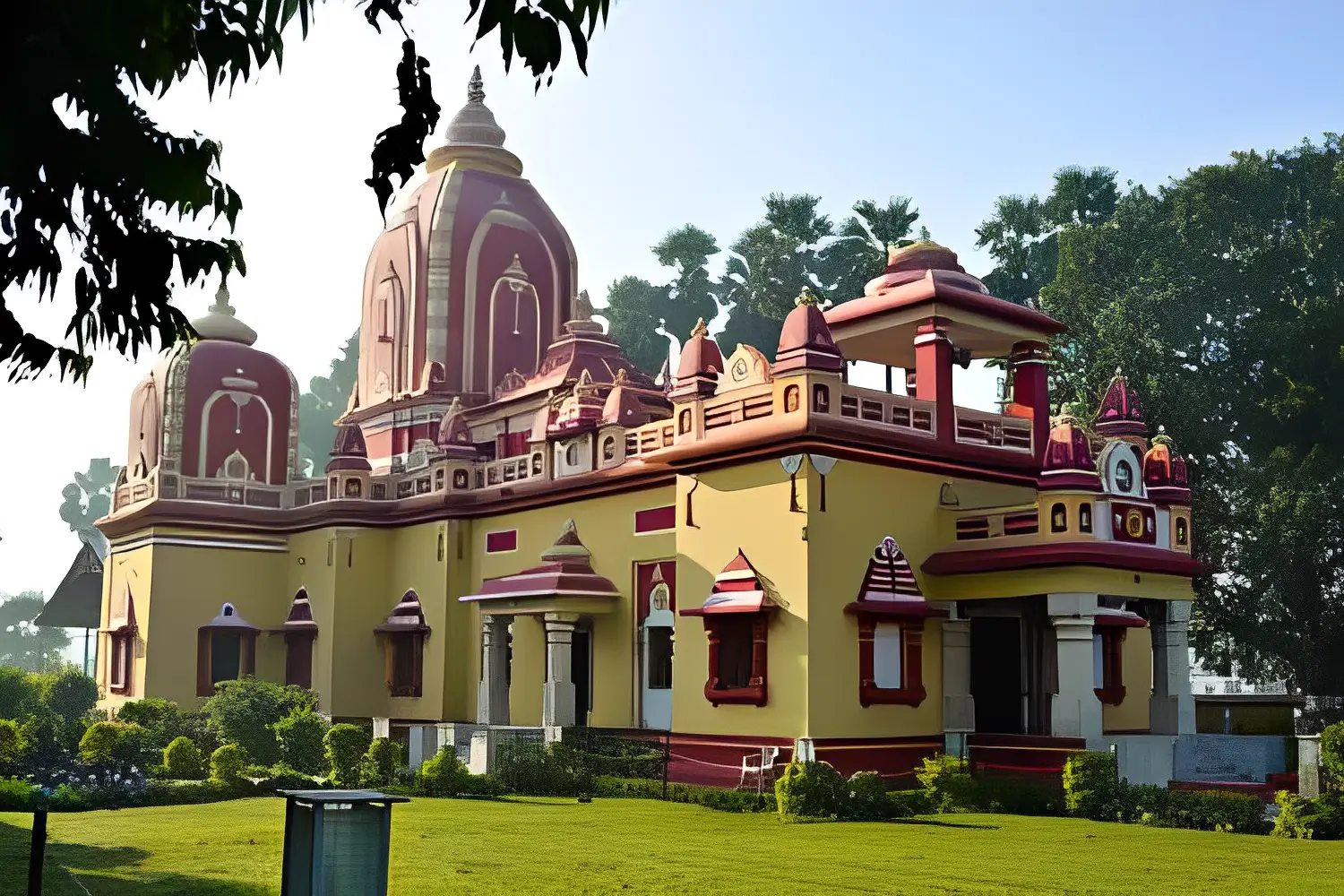
Also known as Birla Mandir, this modern temple is built by the Birla family and dedicated to Lord Vishnu and Lakshmi. It stands out for its clean design, spiritual ambiance, and well-maintained premises
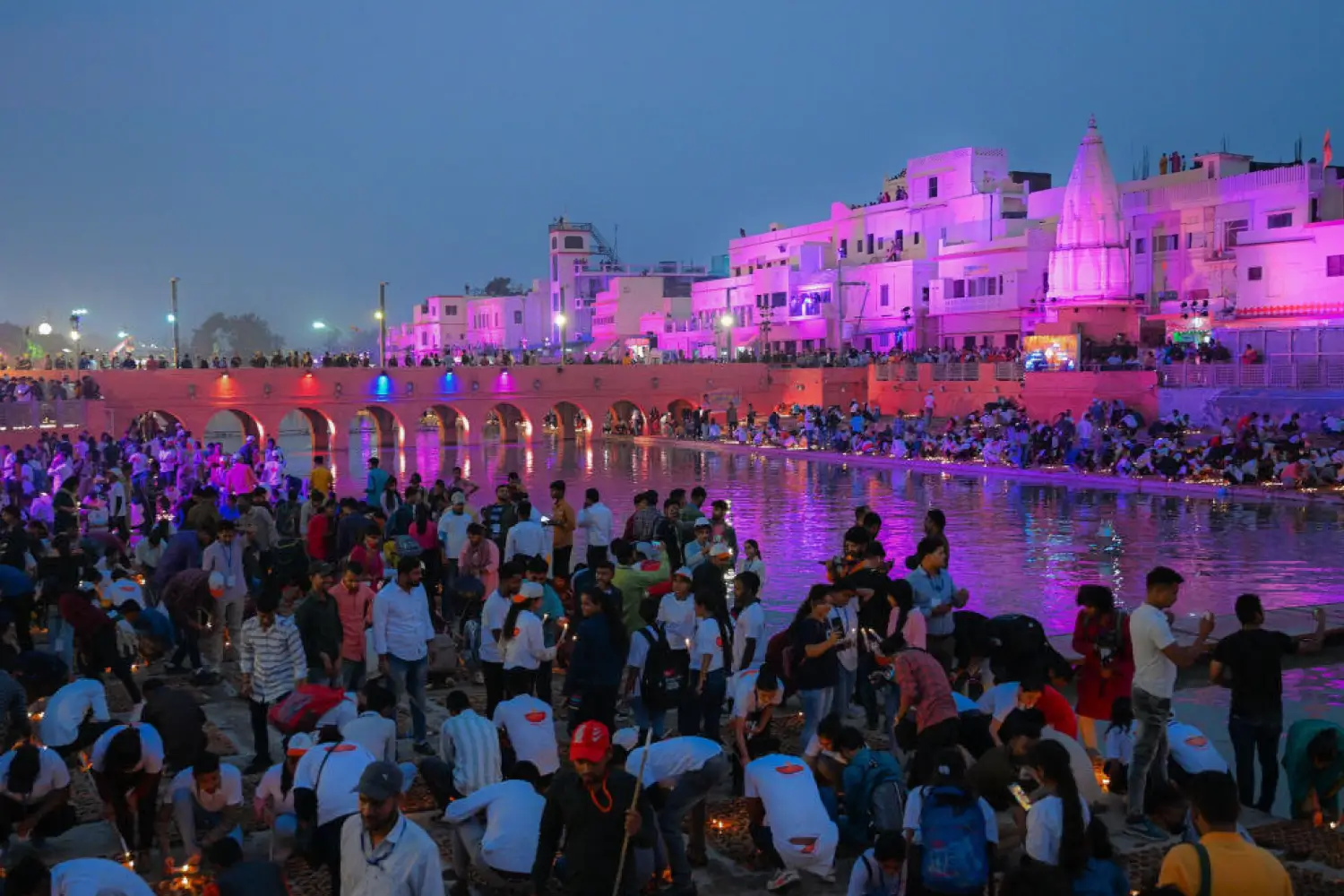
A series of ghats along the Saryu River where devotees gather for holy dips and rituals. The site is especially beautiful during evening aarti, with illuminated steps reflecting in the water.
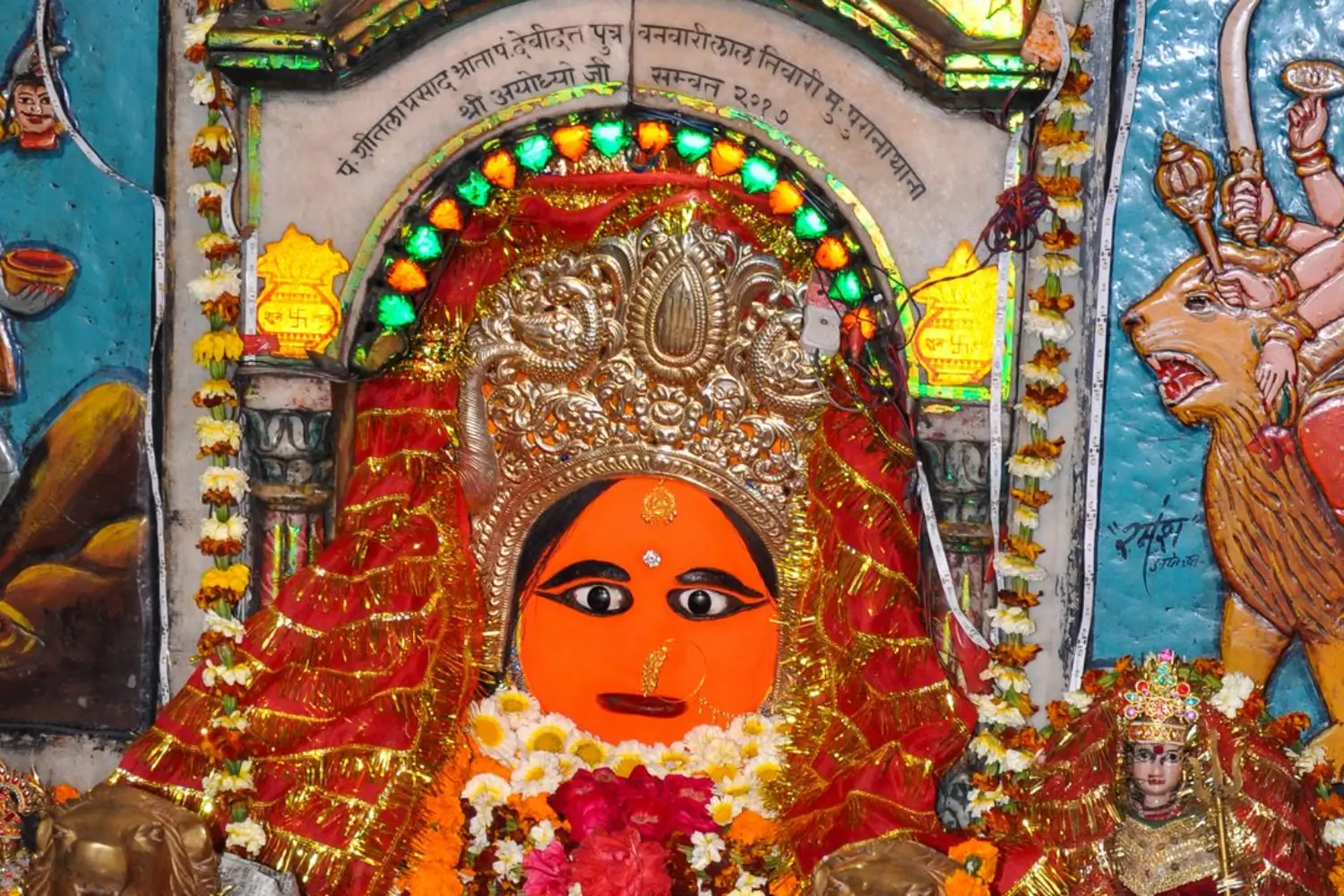
Deokali Temple is located close to Naya Ghat and is associated with the holy book of Ramayan.
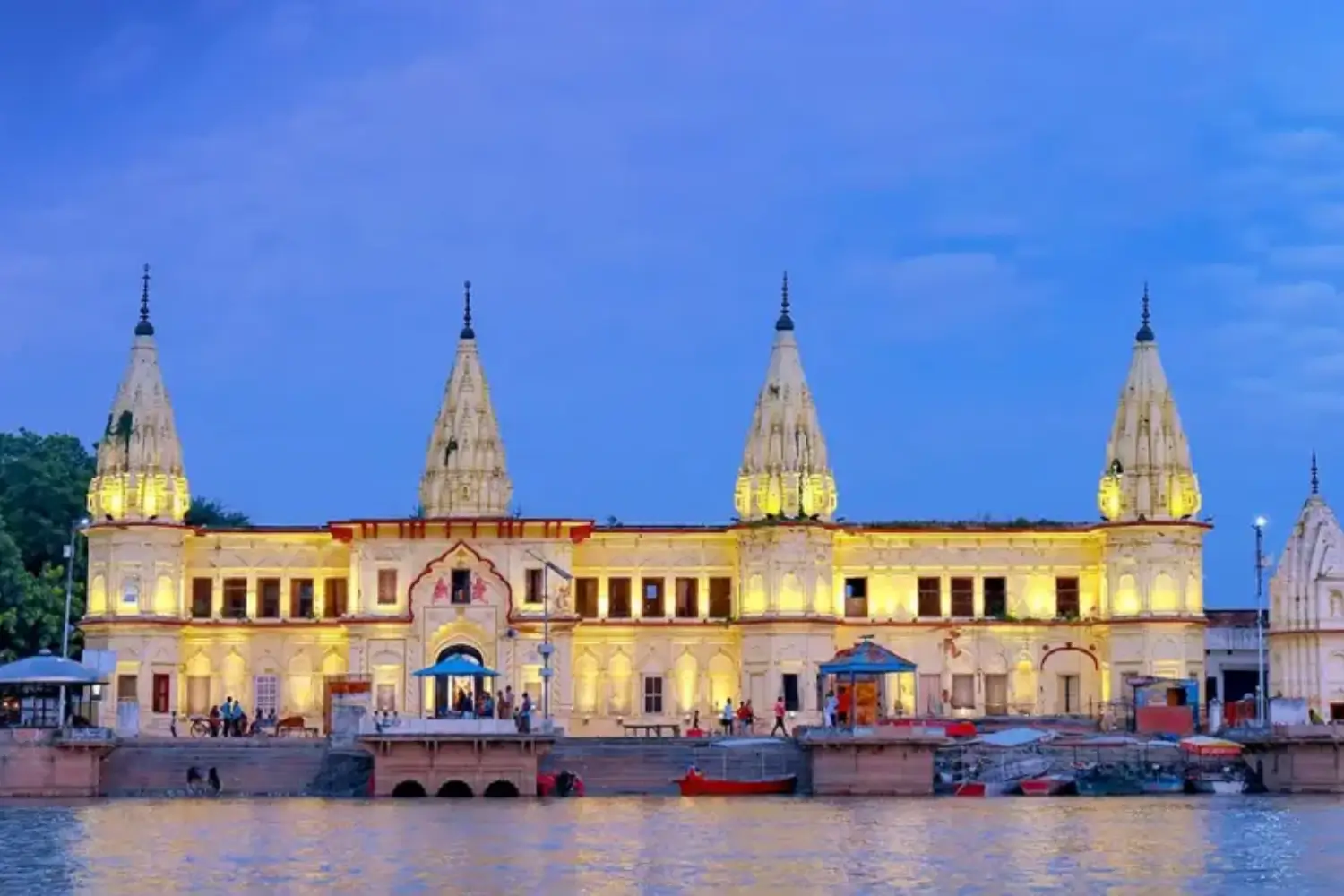
Treta-ke-Thakur is a popular temple located in the holy city of Ayodhya. The temple worships Lord Rama as lord of the Treta Yuga.
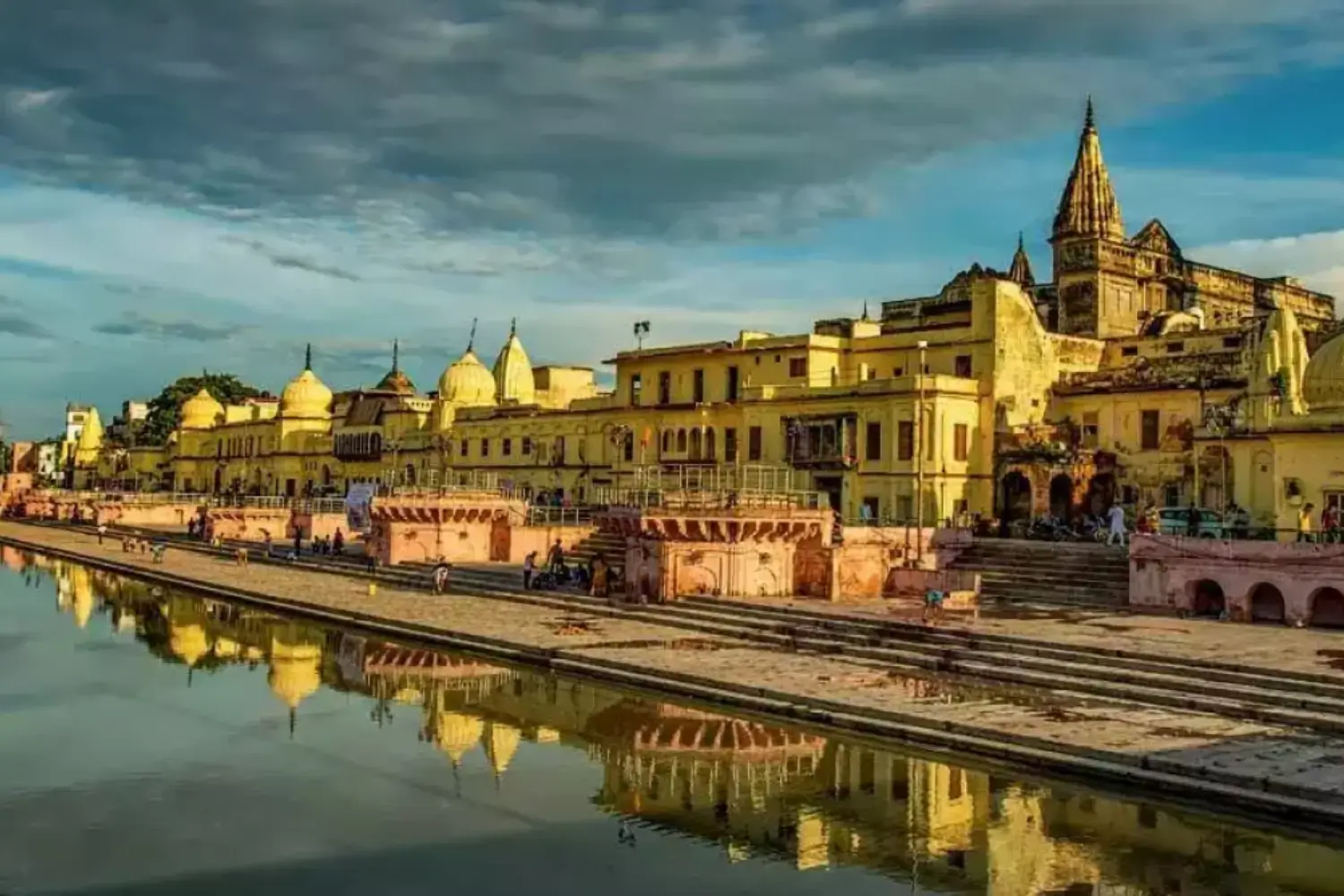
Among the many holy ghats that are located along the sacred River Sarayu, Guptar Ghat is one of the most important due to its significance to Lord Rama.
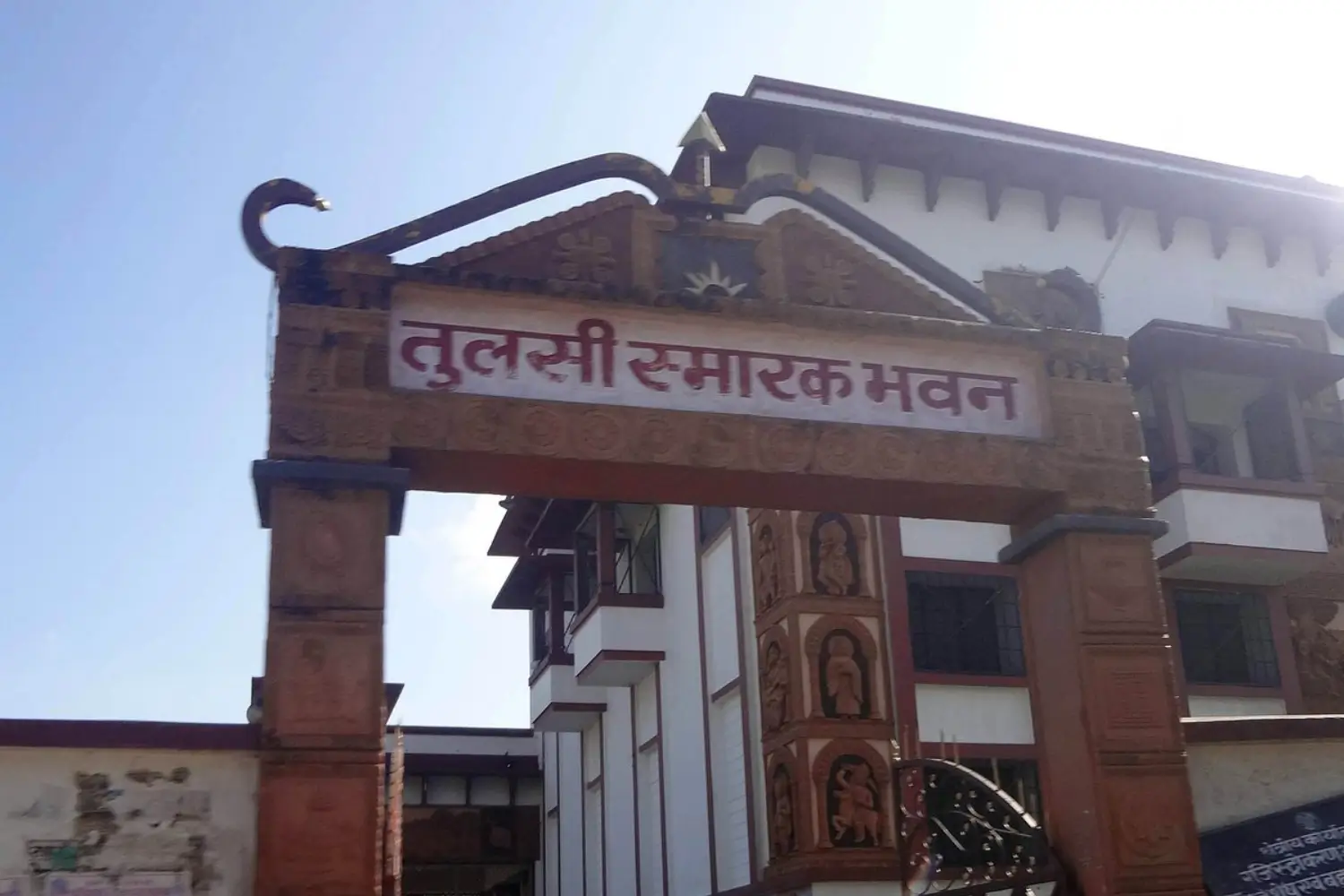
Dedicated to the revered Hindu poet and saint, Goswami Tulsidas, Tulsi Smarak Bhawan is one of the popular places to visit in Ayodhya.
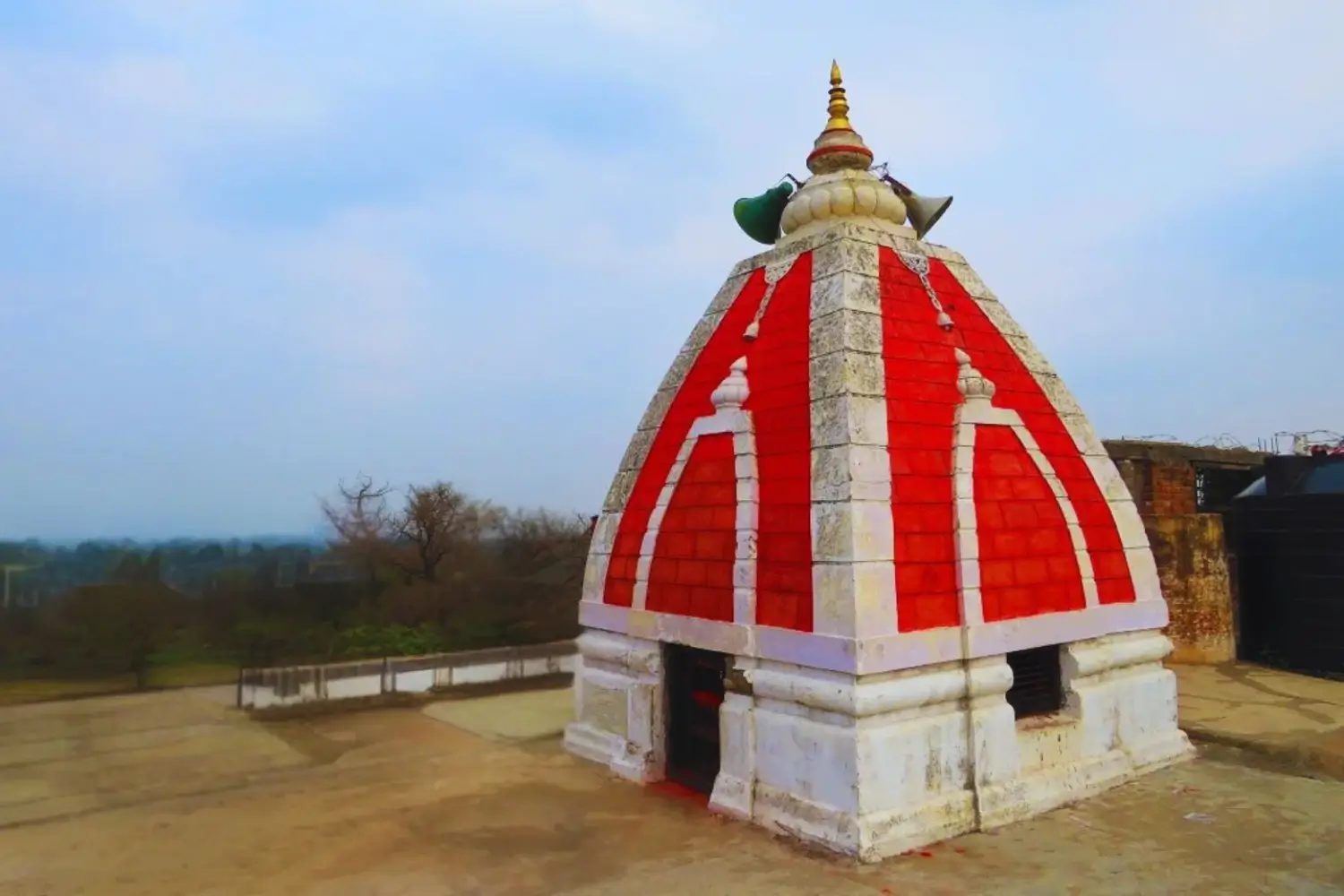
Mani Parvat is considered to be one of Ayodhya's sacred places due to the many legends and stories that are attached to it.
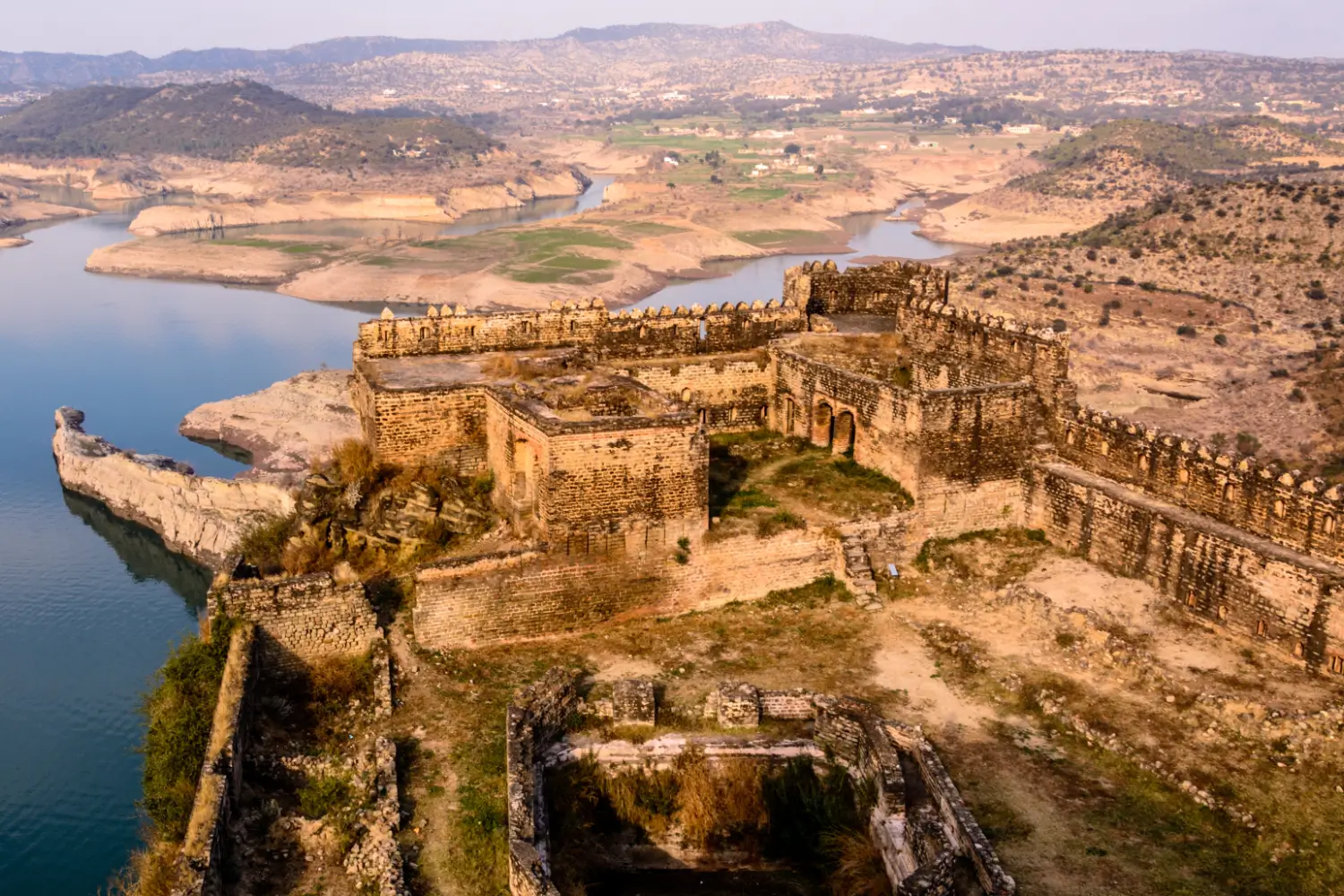
Ramkot in Ayodhya is one of the important places of worship and a popular tourist destination to visit in the city.
Ayodhya, the holiest place for Hindus in India, is the birthplace of Lord Ram, and the city is also considered among the top seven sacred places in India. Ayodhya, a heart throbbing city of Uttar Pradesh which carries tales of ancient history, mythology, and Nawabi culture. Ayodhya is located near the banks of the Sarayu River and this beautiful pilgrimage destination was historically known as Saketa. The city of Ayodhya is a combination of beautiful historical buildings, stunning museums, blissful temples and magnificent gardens
The textbooks of Buddhists and Jains also mention that their religious leader,Gautam Buddha and Mahavira visited and lived in this city. They also believehat it was the birthplace of five Tirthankaras namely, Rishabhanatha,jitanatha, Abhinandananatha, Sumatinath and Anantnath.
 Ayodhya
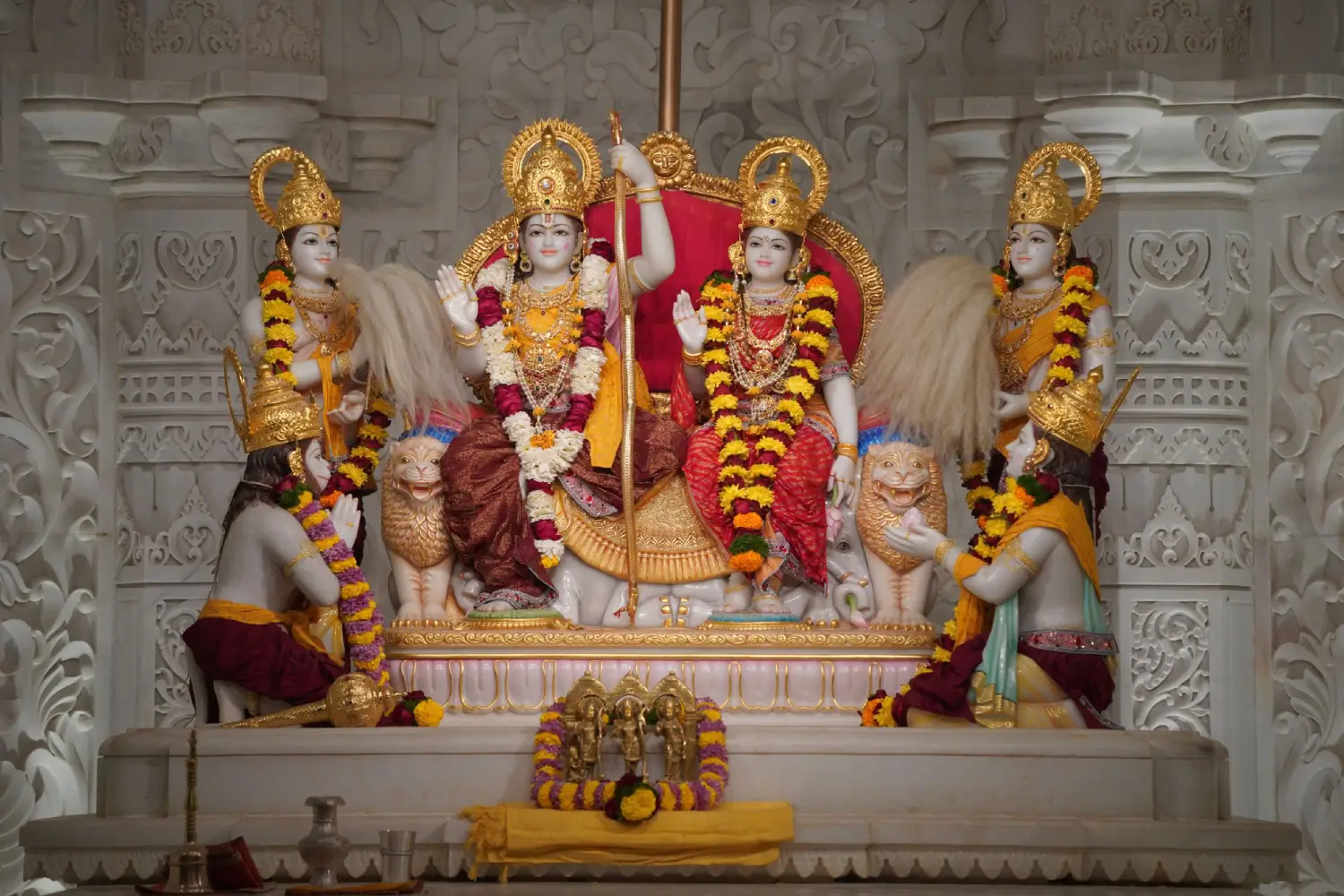 Ayodhya
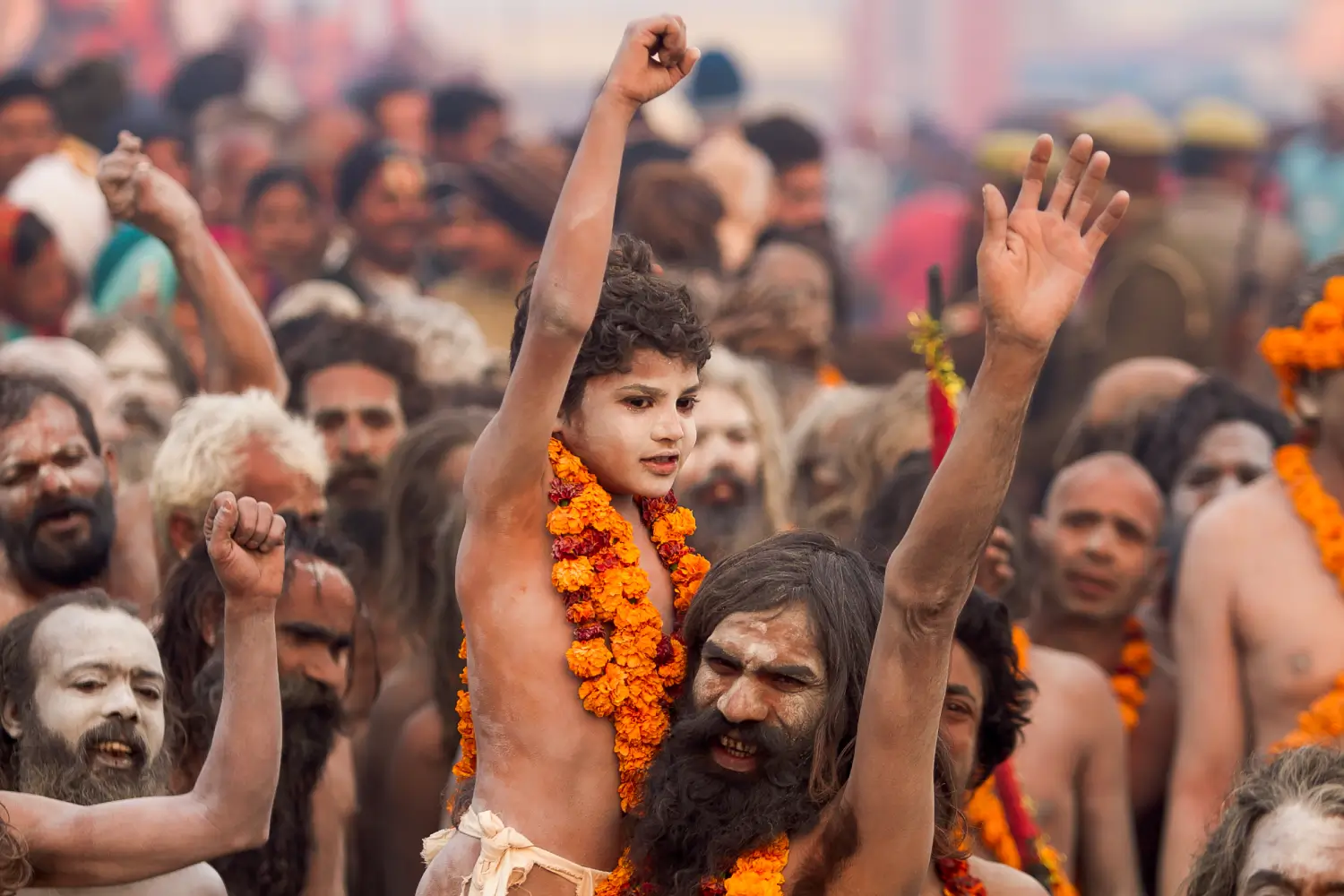 Ayodhya
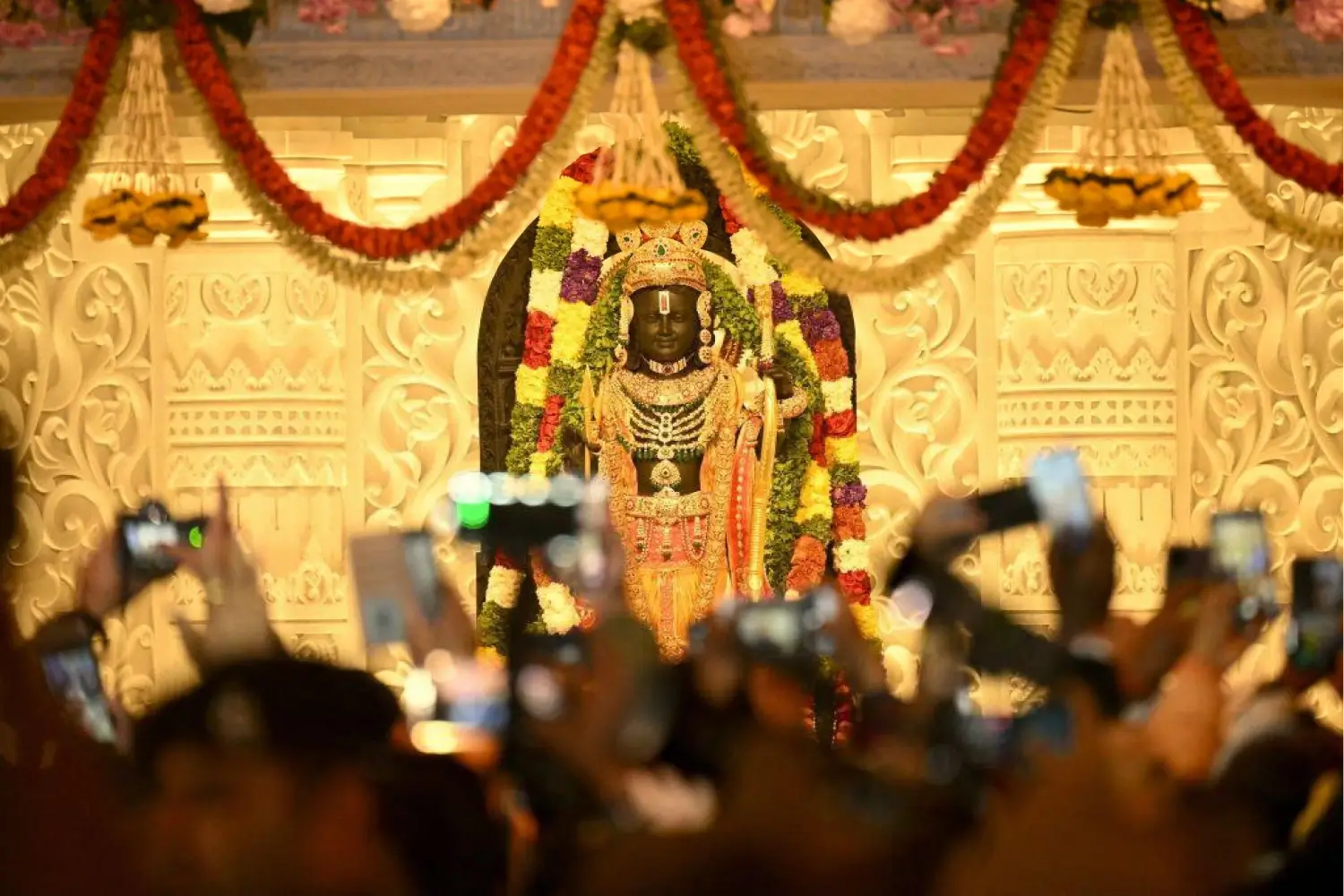 Ayodhya
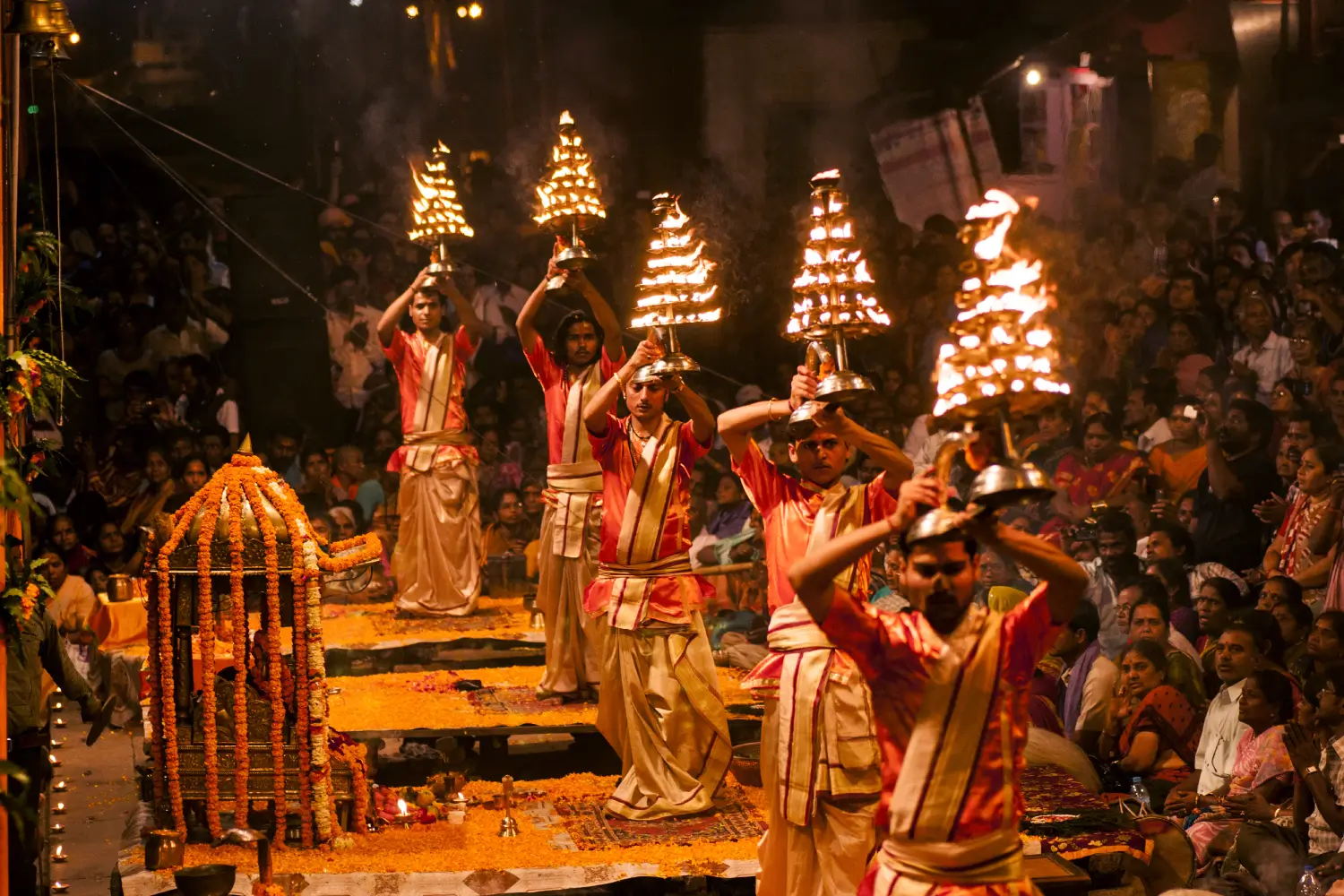 Ayodhya
 Ayodhya
 Ayodhya
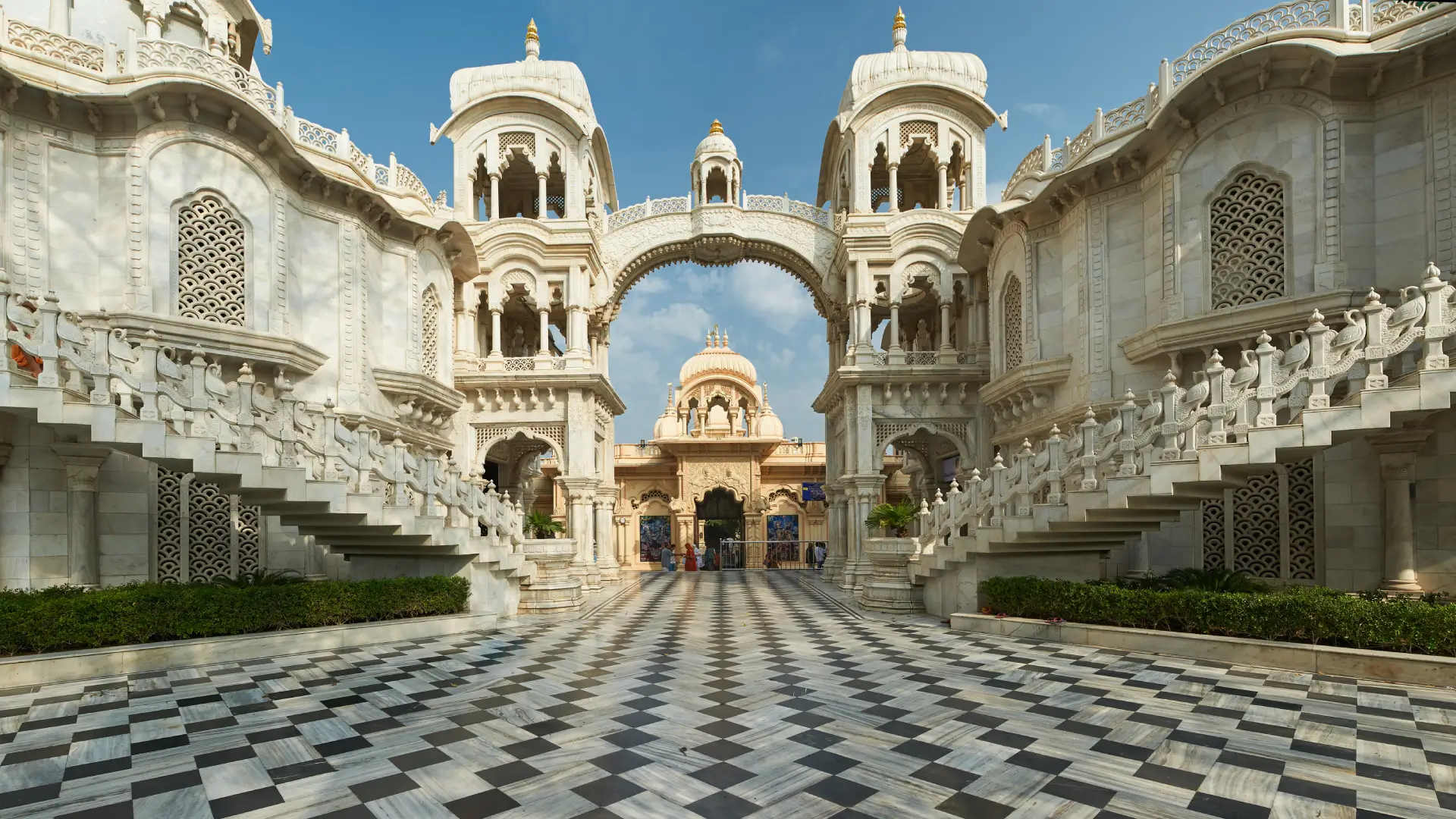
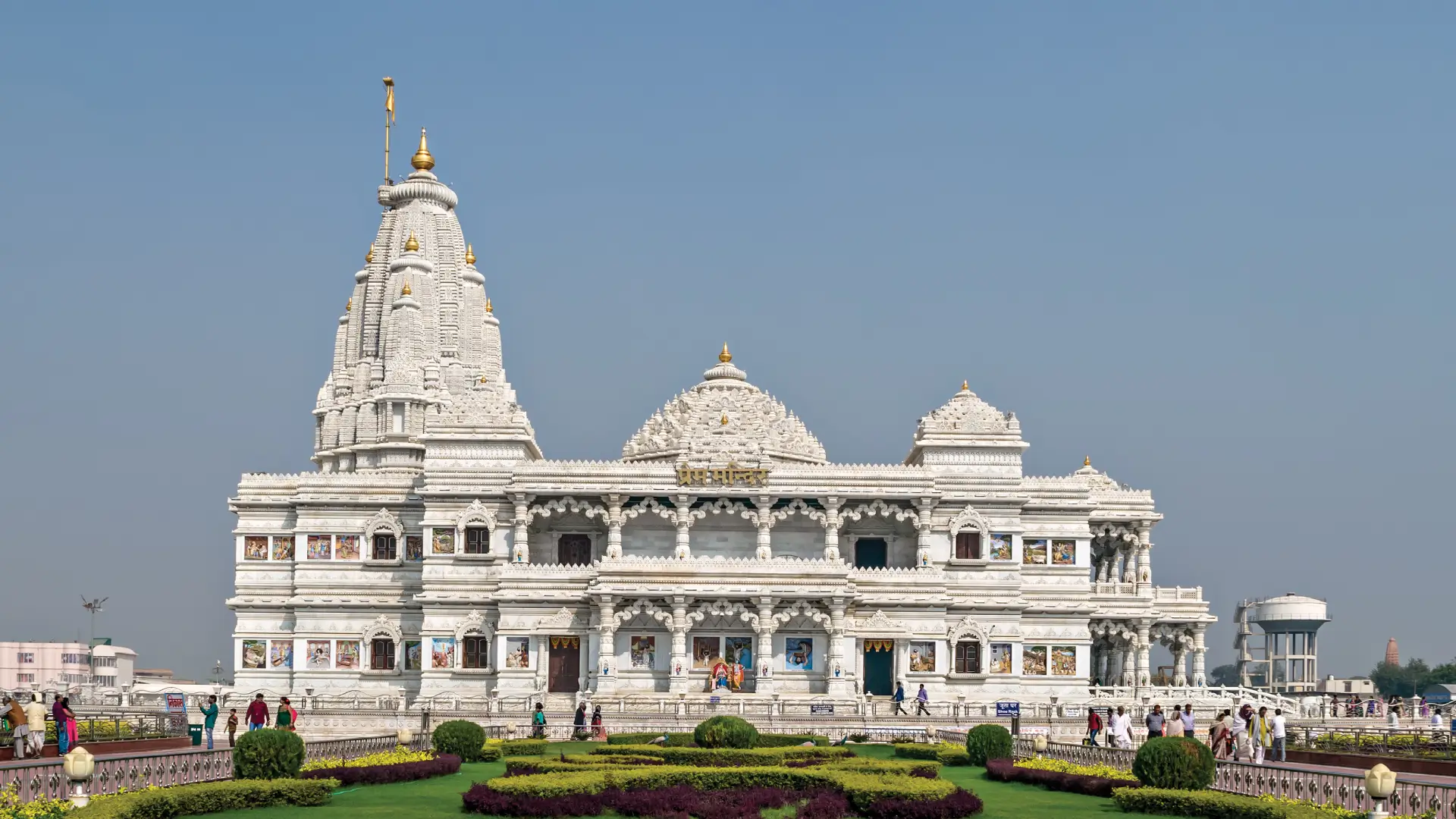
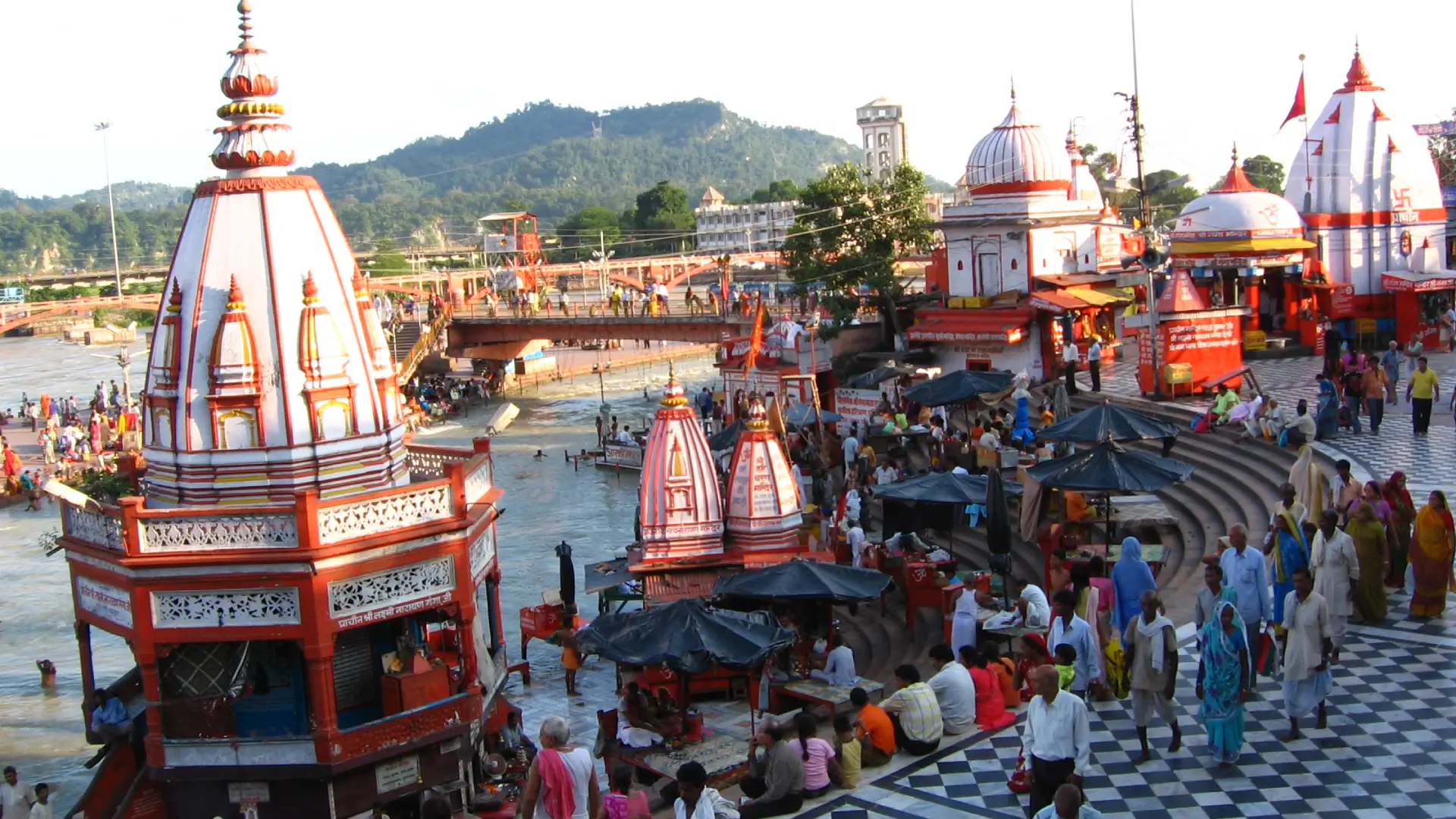
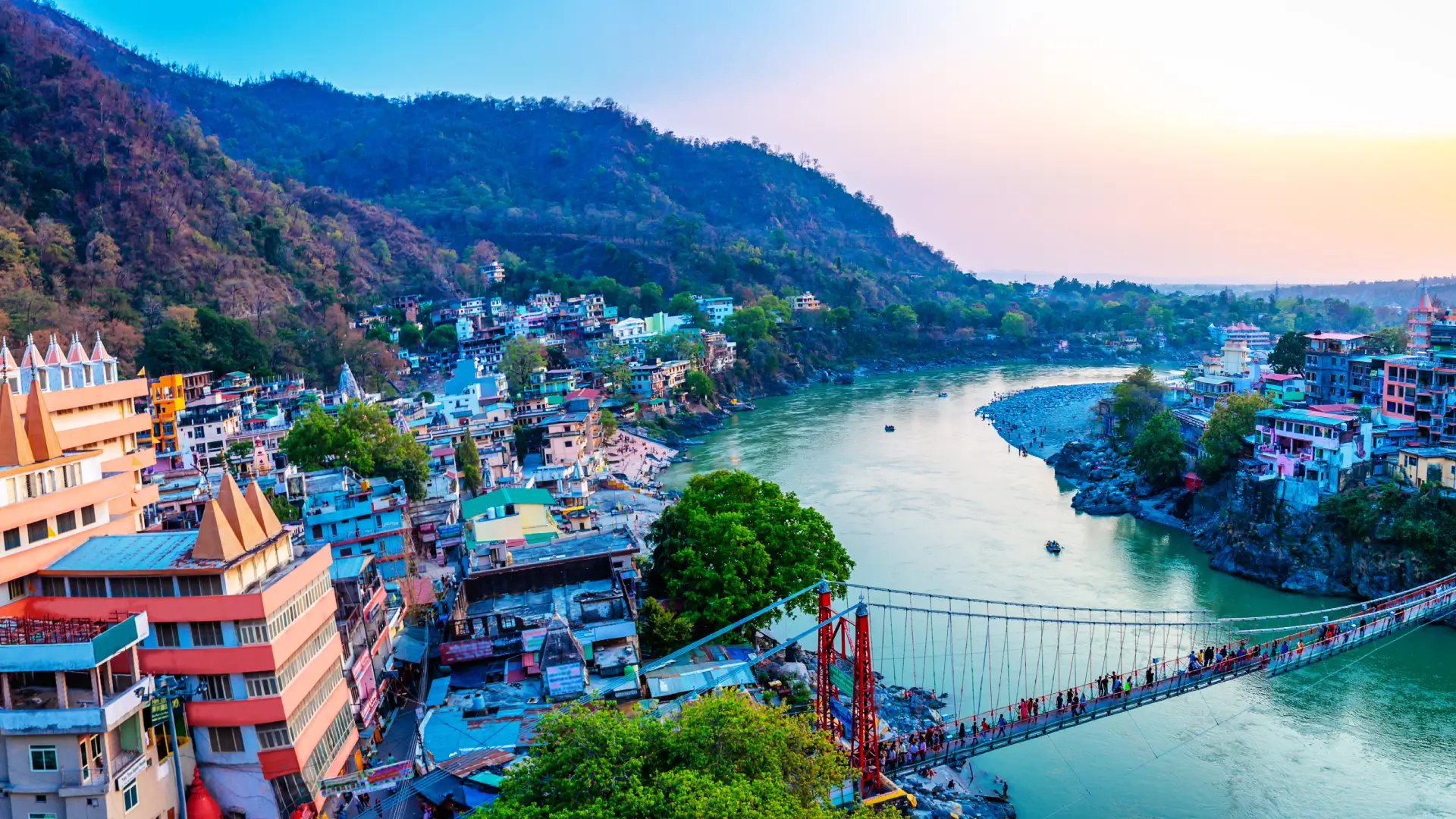
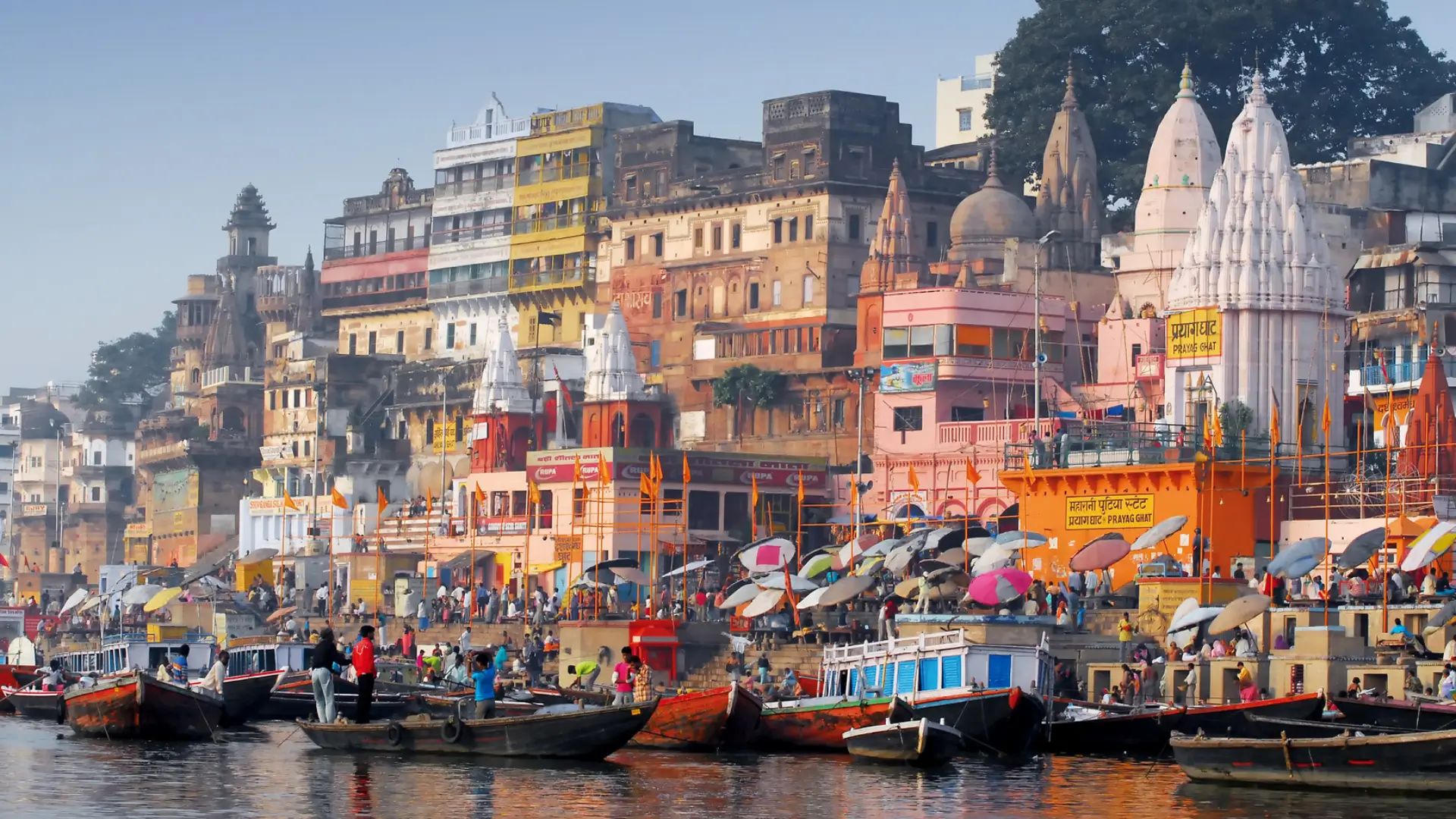
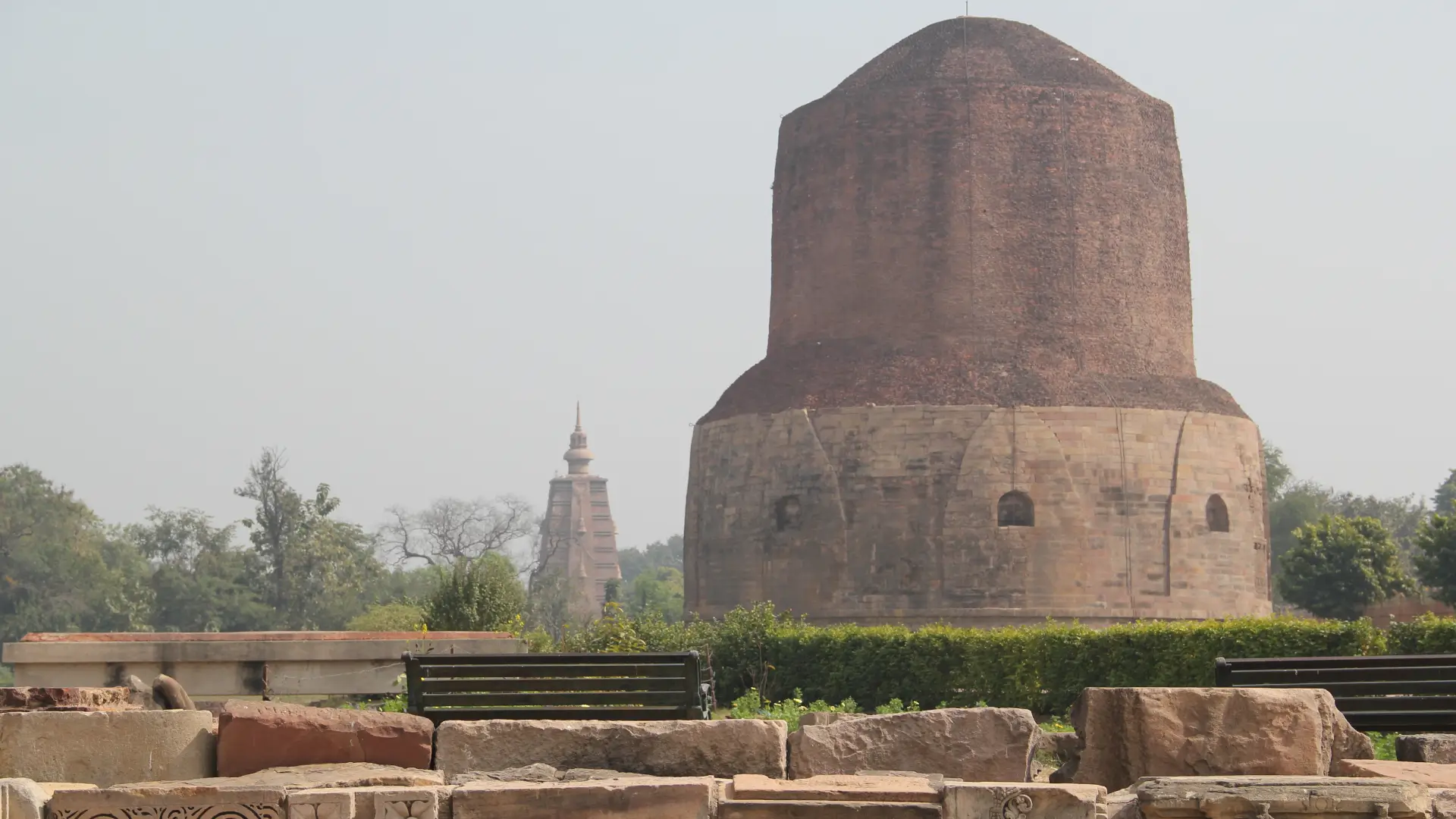

While visiting Ayodhya, the birthplace of Lord Rama, one can visit several other holy towns of the nation which carry a huge significance in the heart of Hindus and are widely recognised for their historical relevance are stated below.
Explore LocationsAyodhya is well connected with all the major cities of the nation. One can take a train, flight, car or bus to reach the holy city of Ayodhya. Here is how to reach Ayodhya

The nearest airport in Ayodhya is Maharishi Valmiki International Airport which is only 5 kilometres away from the Ayodhya Dham. People can also get off at Chaudhary Charan Singh International Airport in Lucknow or Prayagraj Airport. Tourists can easily hire a cab or any suitable transport to visit the required location.

The city of Ayodhya is well connected to the major cities by railways. To visit the holy town of Ayodhya, get off at Pandit Din Dayal Upadhyay Junction or one can also get off at Ayodhya Junction and Ayodhya Cantt railway station. A special train is also available to the travellers that run from Delhi to the main sites of Ramayana Circuit, Ramayana Circuit Train.

Reaching Ayodhya by road is quite flexible as the road connects to the major cities and towns of India which include Lucknow, Kanpur, Gorakhpur, Prayagraj, Varanasi and Delhi. Direct bus routes connect the city to all major cities. One can either visit the city by hiring a cab or also use privatevehicles. A direct bus service has also been started between Ayodhya and Janakpur, in Nepal as a part of the Ramayana circuit.
Some best places to visit in Ayodhya include Ram Janmabhoomi, Kanak Bhawan, Hanuman and several other sightseeing landmarks. Visiting these attractions in the months of winter is ideal as the weather is quite pleasant at that time. Although one can visit Ayodhya at any time of the year.
In Ayodhya, summer stays from the months of April to June whenthe temperature increases from 28 degrees Celsius to 45 degreesCelsius. It is therefore advisable to avoid visiting hesightseeing options although one can still visit if one wishesto.
Explore More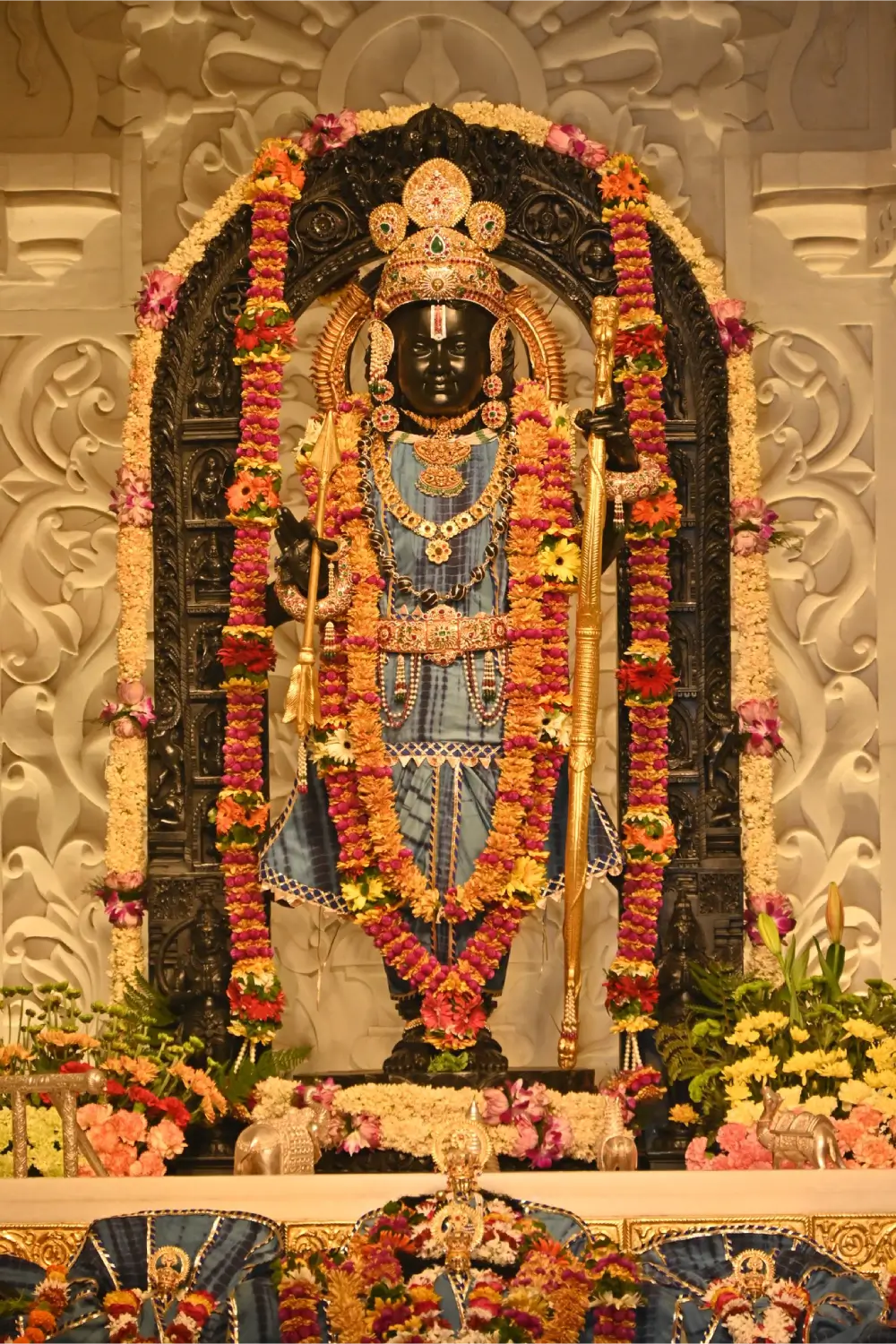
In Ayodhya, summer stays from the months of April to June whenthe temperature increases from 28 degrees Celsius to 45 degreesCelsius. It is therefore advisable to avoid visiting hesightseeing options although one can still visit if one wishesto.
Explore More
Winter in Ayodhya stays from the months of October to March. The temperature ranges from 5 degrees Celsius to 27 degrees Celsius. This season is said to be the peak season for Ayodhya tourism.
Explore More
Ayodhya, the birth place of Lord Rama in Uttar Pradesh is a religious centre that is a combination of beautiful historical buildings, stunning museums, blissful temples and magnificent gardens. Every year, millions of pilgrims visit Ayodhya in search of peace and enlightenment, to feel connected to Lord Rama. Lord Rama signifies a figure of a loyal son, ideal husband, caring brother and also an excellent example for his adherence to Dharma. For Hindus, this city is considered among the top seven sacred places as it caters to the religious people in India among other things as well.
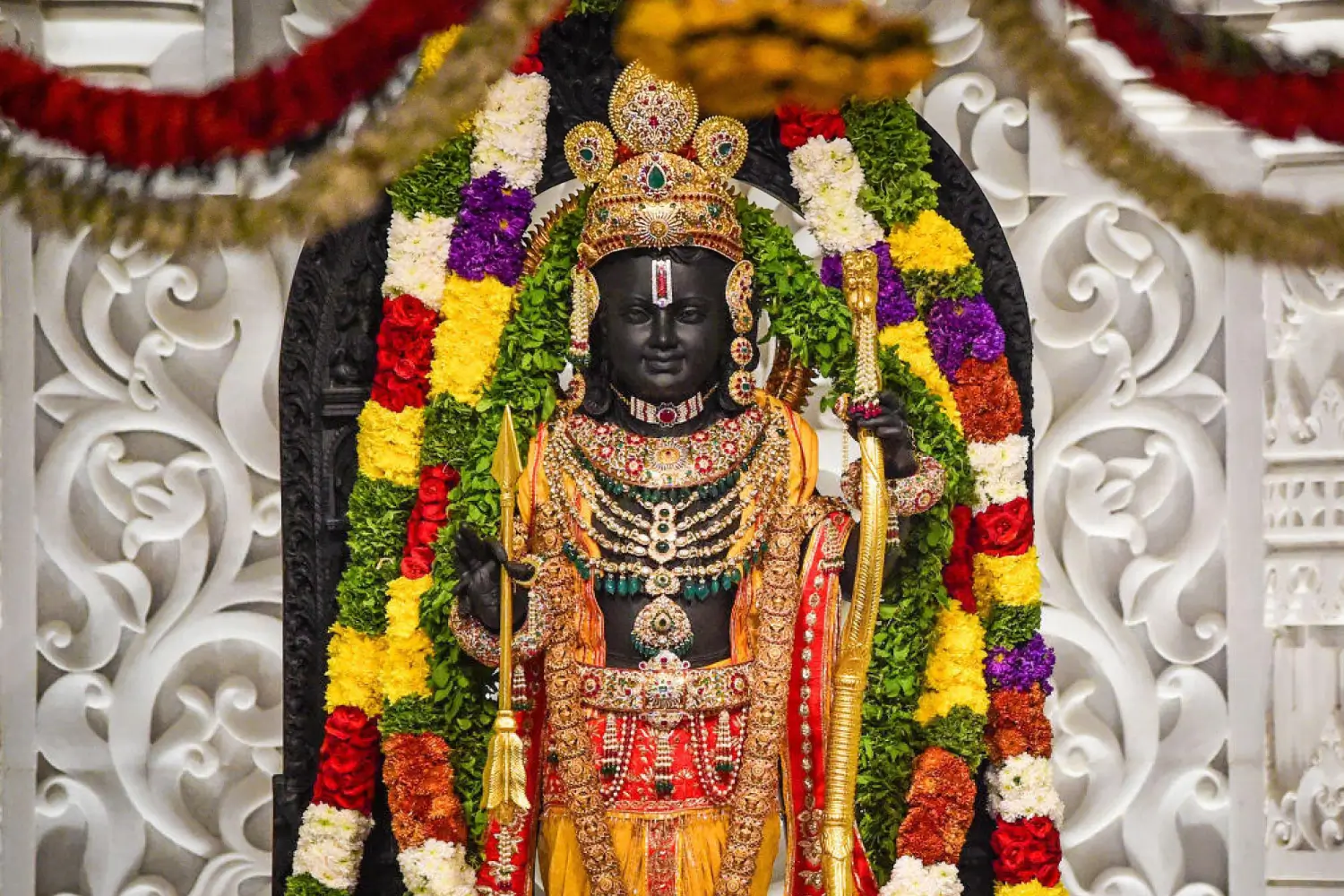
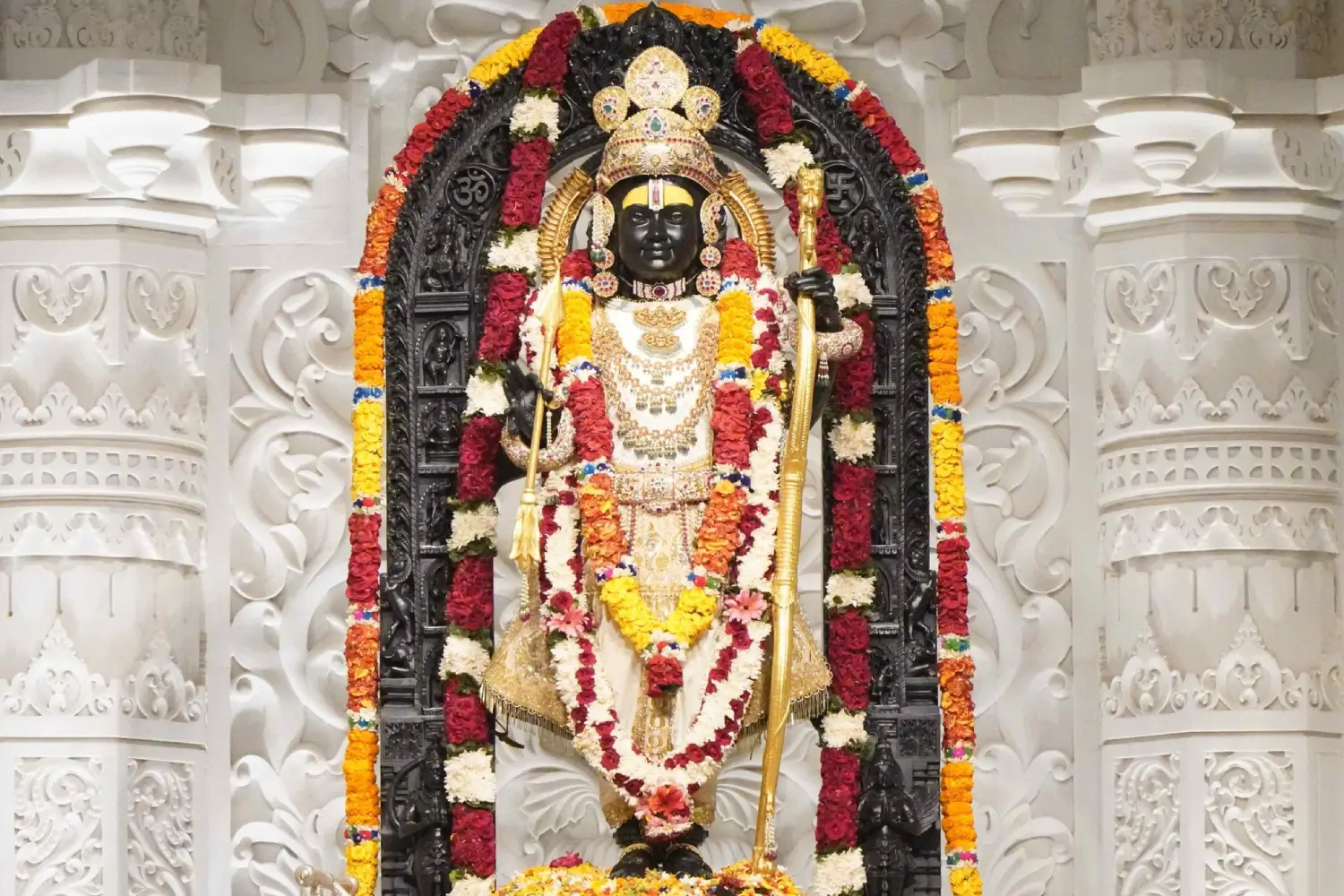
Today, at the site of Lord Rama's birthplace stands the glorious Shri Ram Janmbhoomi Mandir. Worshiping Lord Rama, the temple houses the mesmerizing idol of Ram Lalla, the child form of the lord. Adorned with elaborate jewelry and offerings of common toys made of silver, the idol of Ram Lalla inside the temple is said to represent the five-year old form of Lord Rama. Ever since the Pran Prathishtha that took place at Ayodhya's Ram Mandir, the temple has opened its door for devotees. When visiting the temple now, you can witness the glory of Ram Lalla for yourself as he sits peacefully in the temple's sanctum sanctorum.
Read along this travel guide to Ayodhya's Ram Mandir to know everything about the temple that will make your tour to the city a fruitful one. In this guide, you will find information about the history and architecture of the temple, aarti and darshan timings, along with how you can reach the temple and other religious places to explore in Ayodhya along with the temple.
A Short History of Ram MandirEstablished at the site of the birthplace of Lord Rama, the Shri Ram Janmabhoomi Temple at Ayodhya goes way back in time. Although the present structure began its construction in 2020, the temple has its roots centuries back. It is built at the site of an earlier existing temple, believed to have been razed down by foreign invaders. After years of legal disputes, the site of the present-day Ram Mandir was handed over to the Shri Ram Janmabhoomi Teerth Kshetra Trust who oversaw its construction in 2020. It was then, on January 22, 2024 that the temple was inaugurated with a Pran Prathistha and has since then remained open to the devotees.
The Admirable Architecture of Ram MandirThe Shri Ram Janmabhoomi Mandir at Ayodhya can be understood as a grand and majestic temple for anyone looking at it, because it truly is so. Built in the Nagara style of temple architecture, the temple covers an area of 2.7 acres and is three storeys tall. With no amount of steel or iron used during its construction, the main materials used to build the temple include Rajasthan's Pink Sandstone from Bansi Paharpur and the beautiful Makrana Marble, which is said to increase the temple's durability for thousands of years.
Featuring 392 intricately sculpted pillars depicting different Hindu gods and goddesses, Ram Mandir stands tall at a height of 161 ft. and features a total of five mandapas namely, the Nritya Mandap, Rang Mandap, Sabha Mandap, Prathana Mandap and Kirtan Mandap. The temple can be entered through the Singh Dwar after covering a flight of 32 stairs, with arrangements of special provisions for the elderly and the differently abled also being made available. With the main temple dedicated to Lord Rama, there are smaller shrines established along the four corners of the temple as well that worship Lord Surya, Goddess Bhagwati, Lord Ganesha, and Lord Shiva.
Get the Best Deals on Ayodhya Holiday Packages. Request for free quotes.
Darshan at Shri Ram Janmabhoomi Mandir usually takes place from around 6:30 AM to 12:00 PM and 2:00 PM to 10:00 PM, with a break in the afternoon. Timings may change during festivals and special occasions.
Details :
Pro tip : Early morning darshan = shortest queues.
Ram Mandir hosts multiple aartis daily, including Mangala Aarti (early morning), Shringar Aarti (morning), and Shayana Aarti (night). Timings may vary slightly based on temple rituals and festivals.
Details :
No, general darshan at Ram Mandir is free and available without booking. However, a free Sugam Darshan Pass can be booked online for faster entry.
Details :
Tip : Guided visits can help avoid long queues during peak days.
Starting From 300
Starting From 300
Starting From 300

Starting From 300
Starting From 300
Starting From 300