After the devotional intensity of Ayodhya and its Ram Mandir darshan, many travellers look for a place where the journey can slow down.
Set along the upper stretch of the Ganga at the foothills of the Himalayas, Rishikesh offers exactly that - a shift from structured temple visits to quieter, practice-led experiences.
While cities like Ayodhya, Prayagraj, and Varanasi are centred around darshan and large-scale rituals, Rishikesh is more open and less time-bound, with experiences unfolding across riverbanks, ashrams, and hillside spaces.
This makes Rishikesh a natural extension for travellers planning the Ayodhya -Haridwar-Rishikesh spiritual circuit.
Why Visit Rishikesh ?The popular points of tourist interests and top experiences in Rishikesh are Triveni Ghat, Laxman Jhoola, Ram Jhula, Gita Bhawan, Trayambakeshwar Temple, Bharat Mandir, Swarg Ashram, Parmarth Niketan, Neelkanth Mahadev Temple, Vashista Gufa, Beatles Ashram, Yoga & Ayurveda Retreats, River Rafting, Bungee Jumping, Trekking, Rock Climbing and many more.
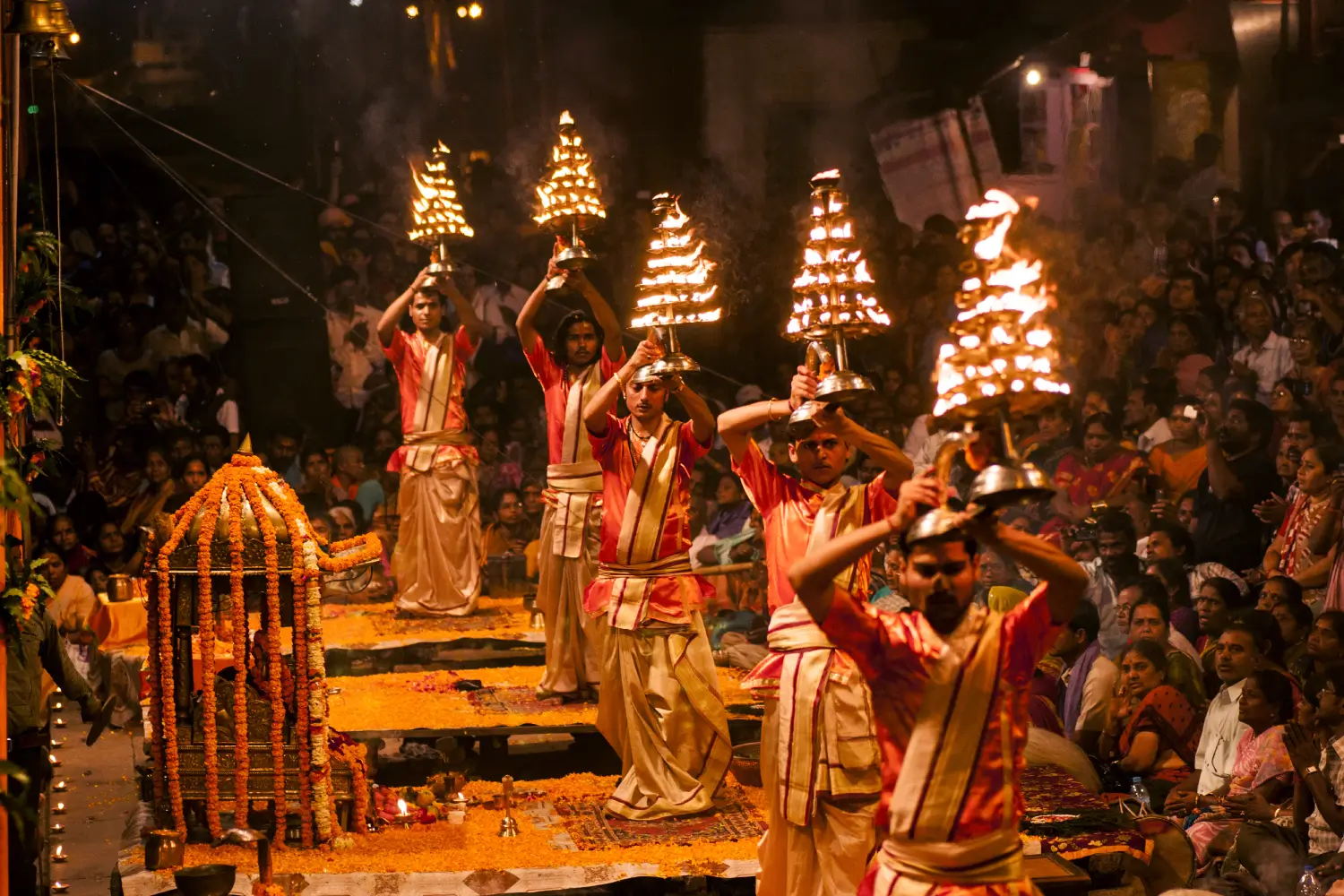
The Rishikesh Ganga Aarti experience is calmer and more accessible compared to Varanasi. As the sun sets over the Ganga, the riverfront in Rishikesh comes alive with lamps, chants, and rhythmic prayers. The aarti here is less overwhelming than Varanasi, making it easier to sit close to the river and follow the ritual.
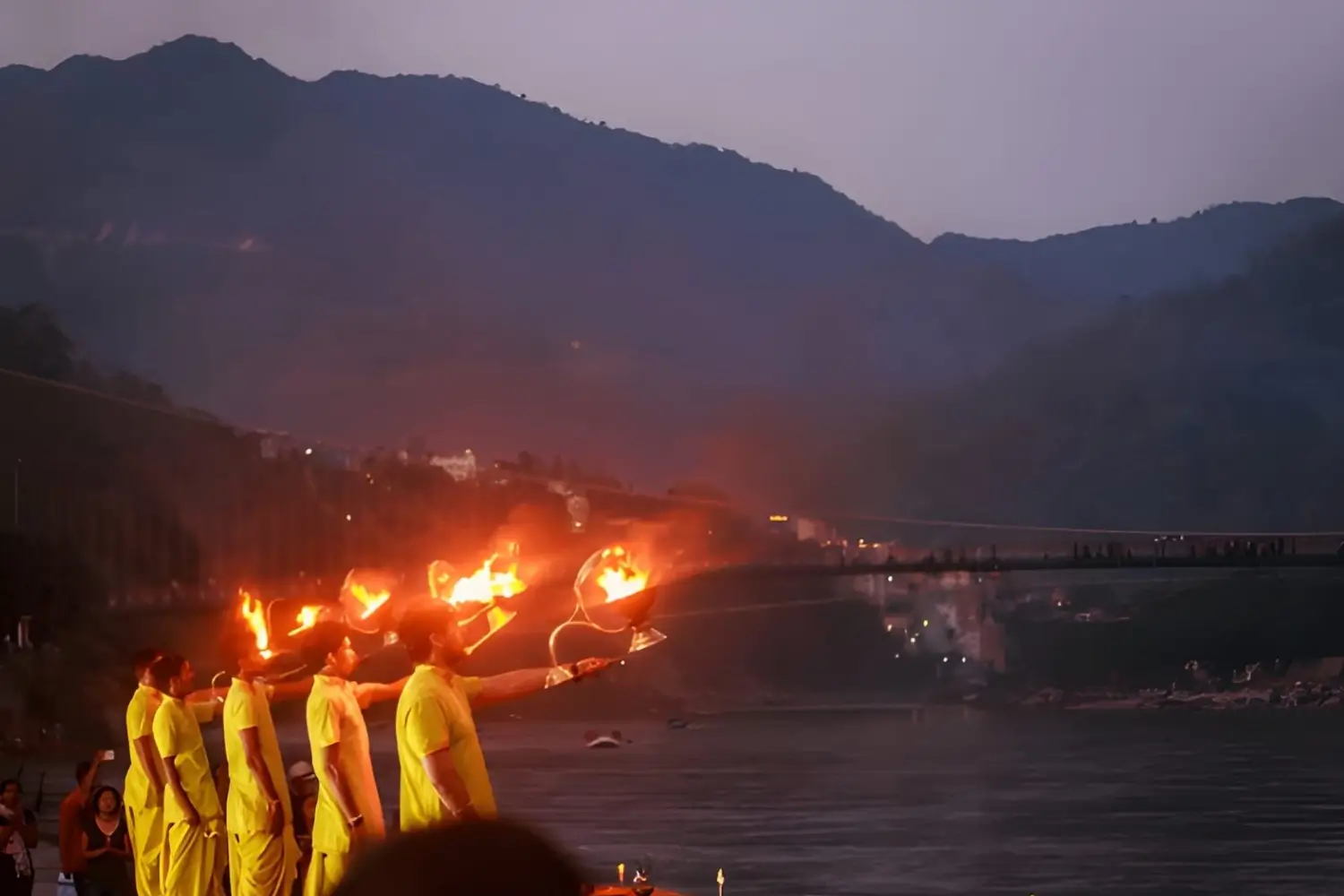
Practical Tip : Arrive 30 - 40 minutes early, especially on weekends, to sit closer to the river.
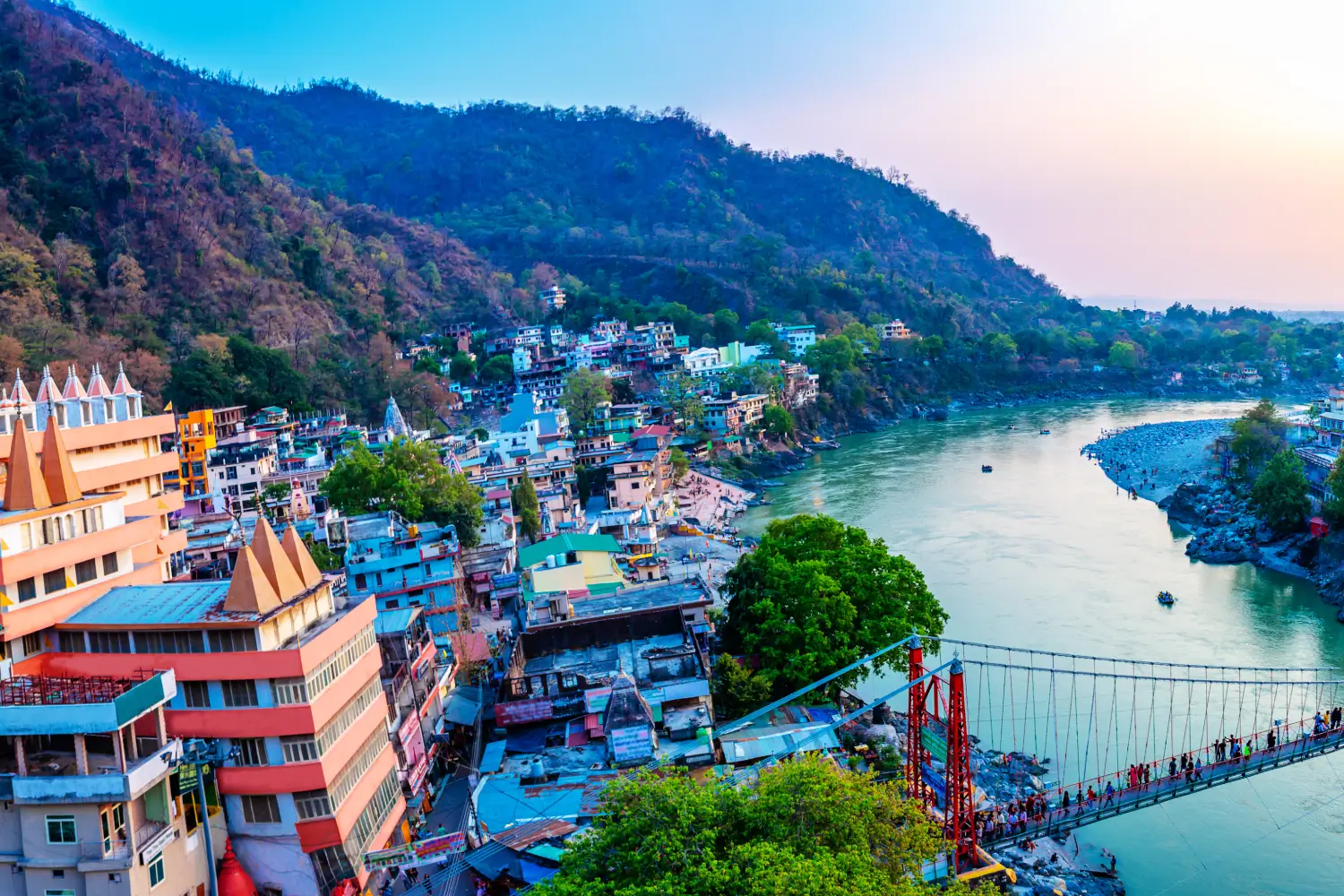
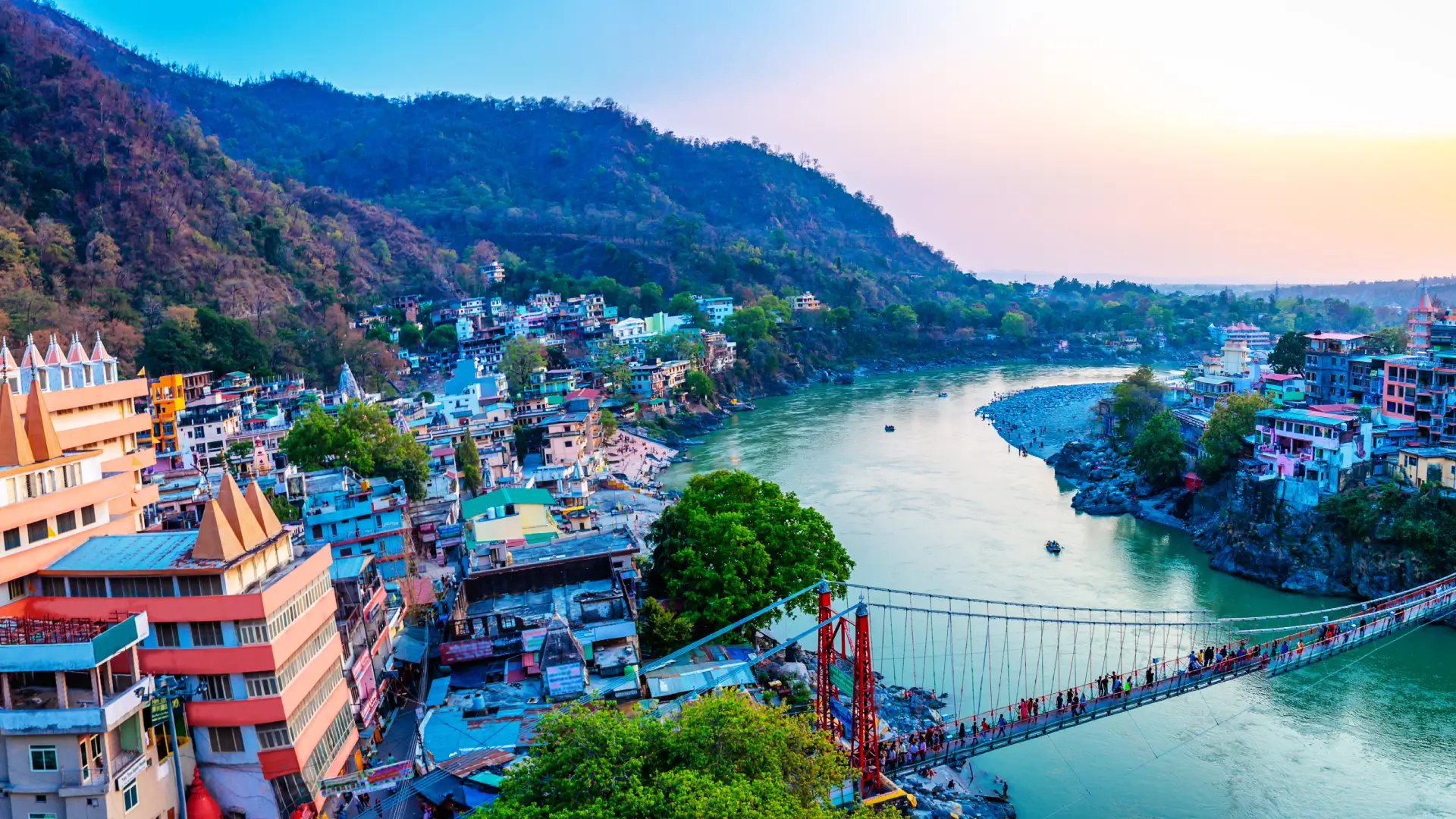
Walking across these suspension bridges is one of the defining experiences in Rishikesh.
As you cross, the Ganga flows beneath you, temple bells ring in the background, and the narrow walkway fills with a mix of locals, pilgrims, and travellers. It's part crossing, part observation deck.
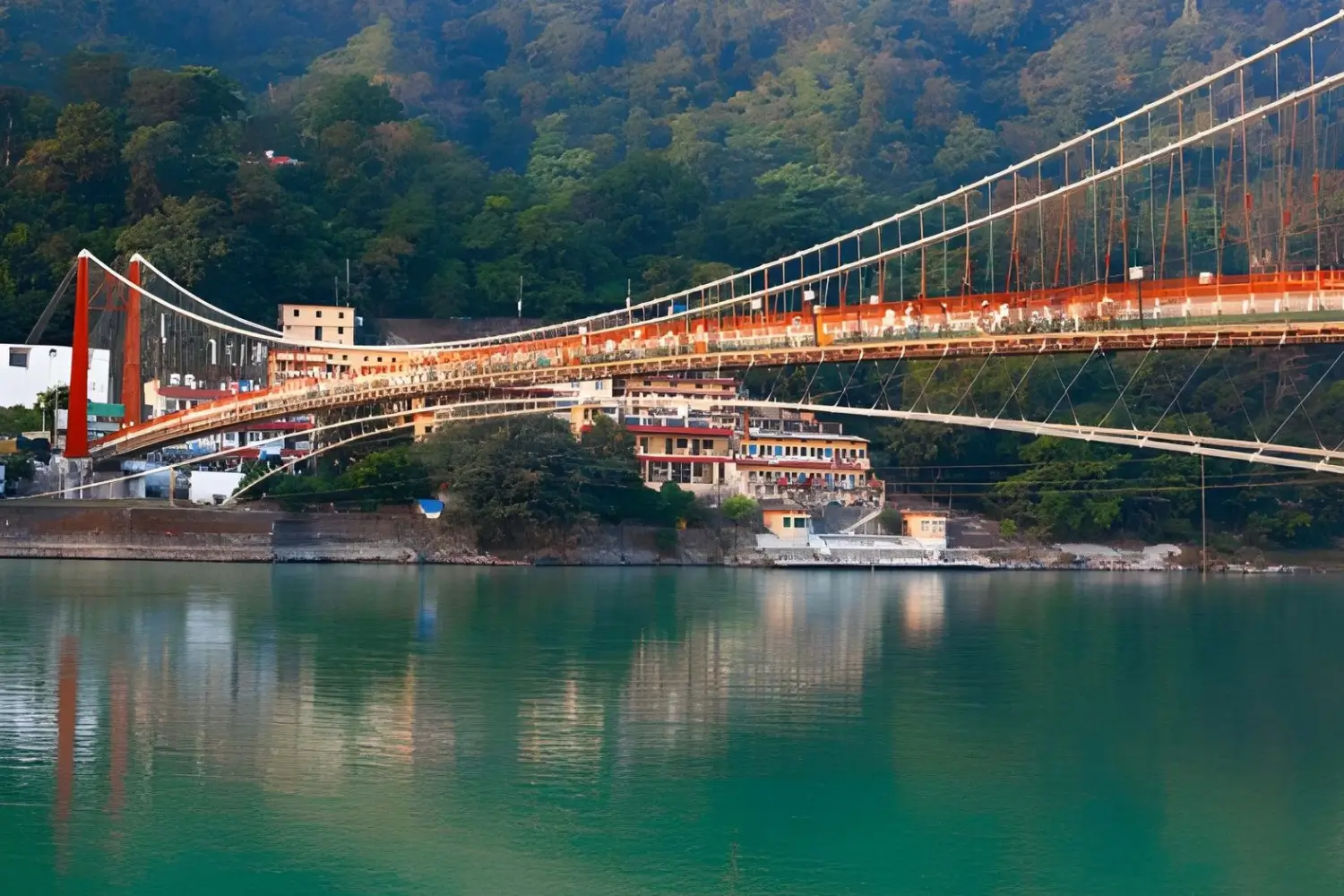
But the experience comes with a few realities :
These small details can make the experience far smoother.
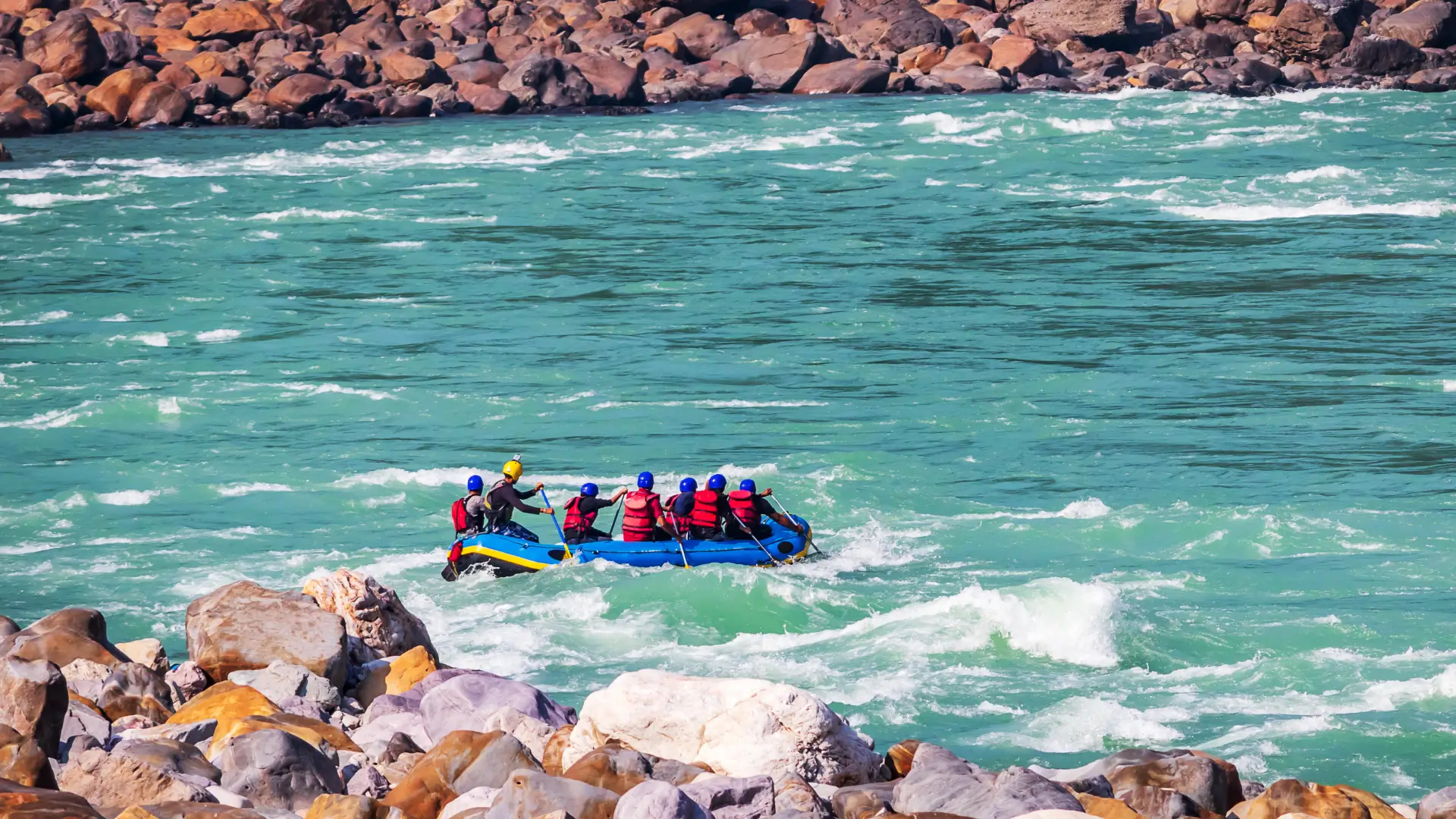
While Rishikesh is primarily known for its ashrams, Ganga rituals, and spiritual atmosphere, it also offers one of India's most popular river rafting experiences, giving travellers the option to balance quiet time by the river with a more active outing.
Within minutes of pushing off, the experience shifts from calm stretches of the Ganga to sections where the raft dips, lifts, and moves through rapids, with forested hills on either side.
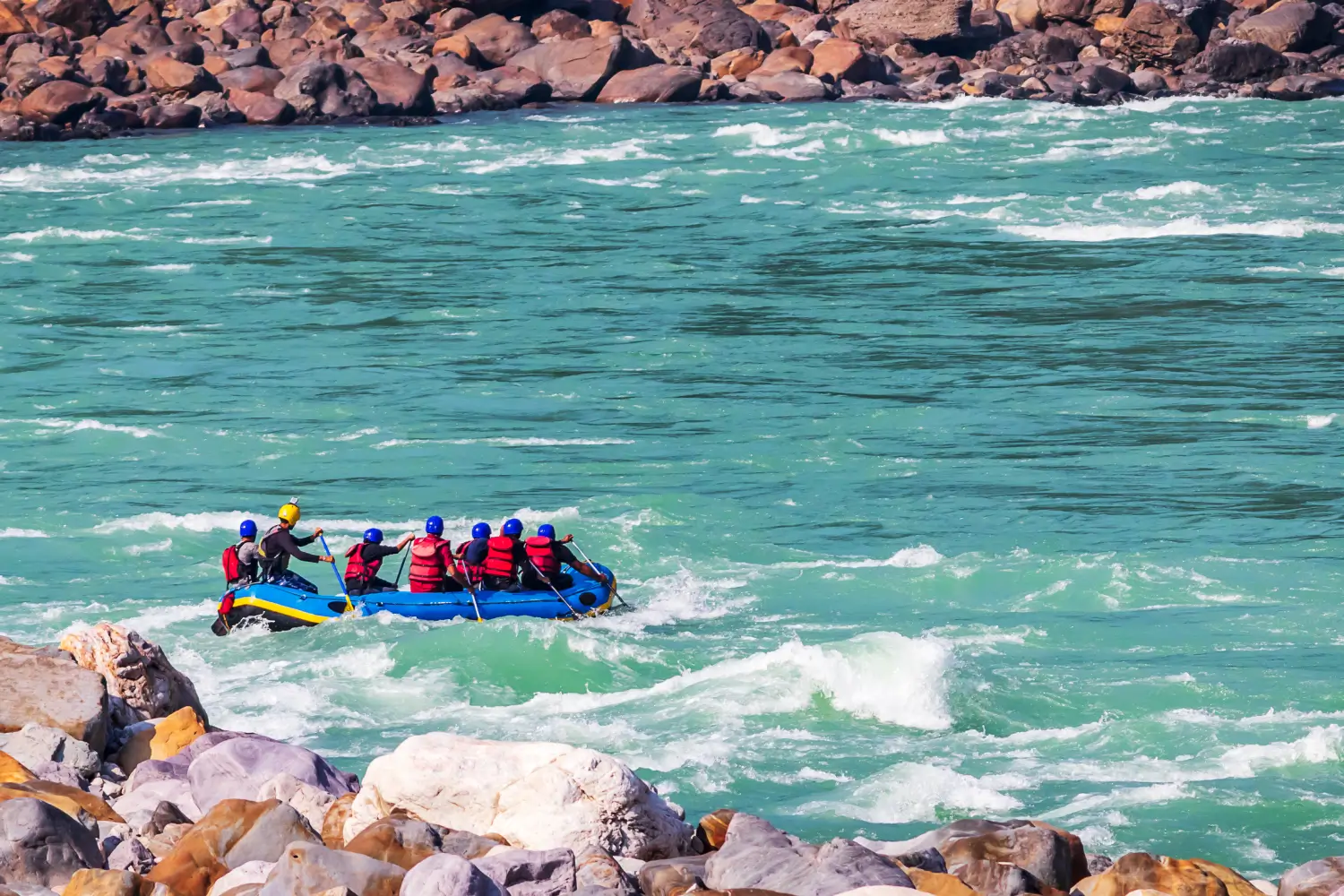
The experience varies significantly based on the route :
Most travellers should choose Shivpuri for the best overall experience.
Rishikesh is widely regarded as the Yoga Capital of India. Here ashrams are where the pace of the city changes completely. Mornings begin with yoga sessions overlooking the Ganga, followed by meditation or discourse sessions, and evenings often close with satsangs or aarti. Even short visits give a sense of the structured, practice-based lifestyle.
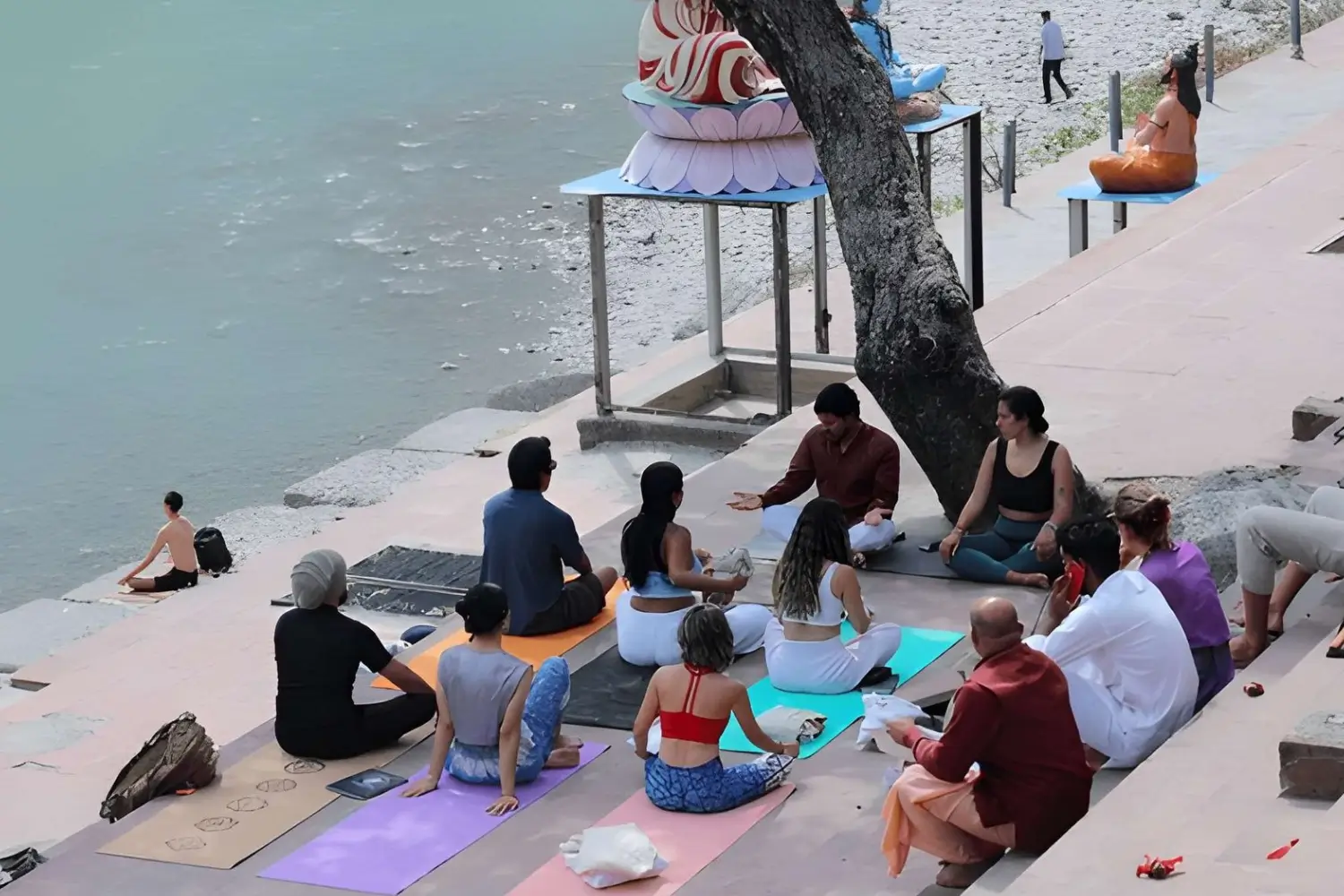
Even a half-day visit can include yoga, meditation, or attending a satsang.
Rishikesh's cafe culture is most visible around Tapovan and the Ram Jhula area, where small bakeries and riverside cafes line the streets.
Evenings here are slower :
It's a quieter way to end the day, especially after temple-heavy itineraries.
Where to Stay in Rishikesh (Quick Guide) ?| Goal | Recommended Area | What to Expect |
|---|---|---|
| Quiet retreats & meditation | Muni Ki Reti / Phool Chatti | Less crowded, requires planning transport |
| Cafe culture & solo travel | Tapovan | Lively, walkable, slightly hilly terrain |
| Traditional spiritual stay | Swarg Ashram | Strict zone, busy during aarti |
Planning around these improves your experience significantly.
Weekend Reality in RishikeshRishikesh sees a sharp influx of travellers from Delhi between Friday evening and Sunday night.
If possible, plan key activities (aarti, cafe visits, rafting) early in the day during weekends.
Where Rishikesh Fits in a Spiritual Circuit ?| Destination | Spiritual Focus | Experience Type | Role in Journey |
|---|---|---|---|
| Ayodhya | Devotion (Ram) | Temple darshan | Starting point |
| Prayagraj | Purification | Sangam rituals | Cleansing |
| Varanasi | Shiva & Moksha | Ganga + temples | Intensity |
| Rishikesh | Practice & Peace | Yoga, ashrams | Reflection |
Rishikesh is often added after Ayodhya or Varanasi to create a more balanced journey — combining temple visits with a quieter riverside stay.
Call +919212553109 to plan a seamless Ayodhya-Haridwar-Rishikesh circuit, including:
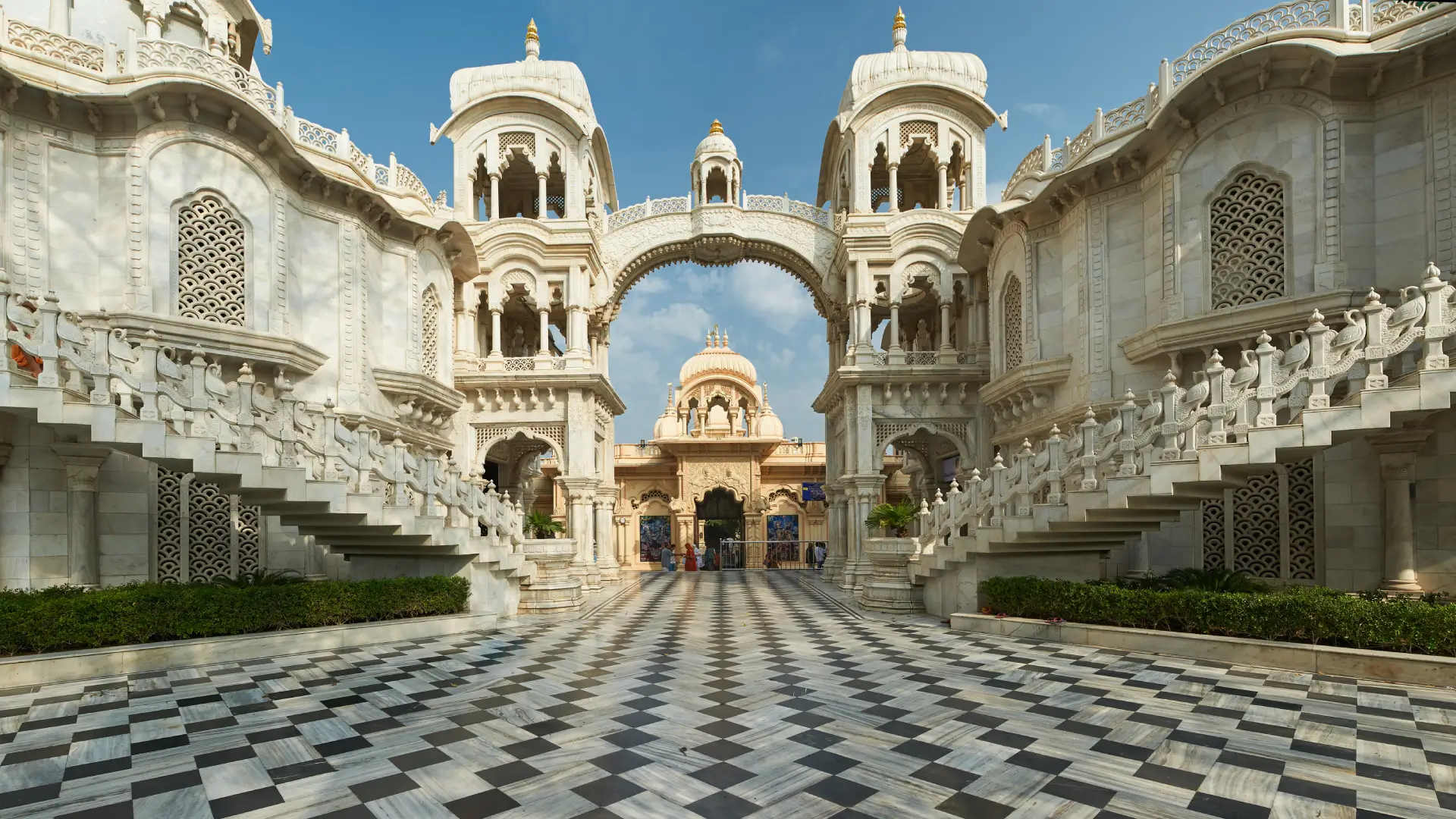
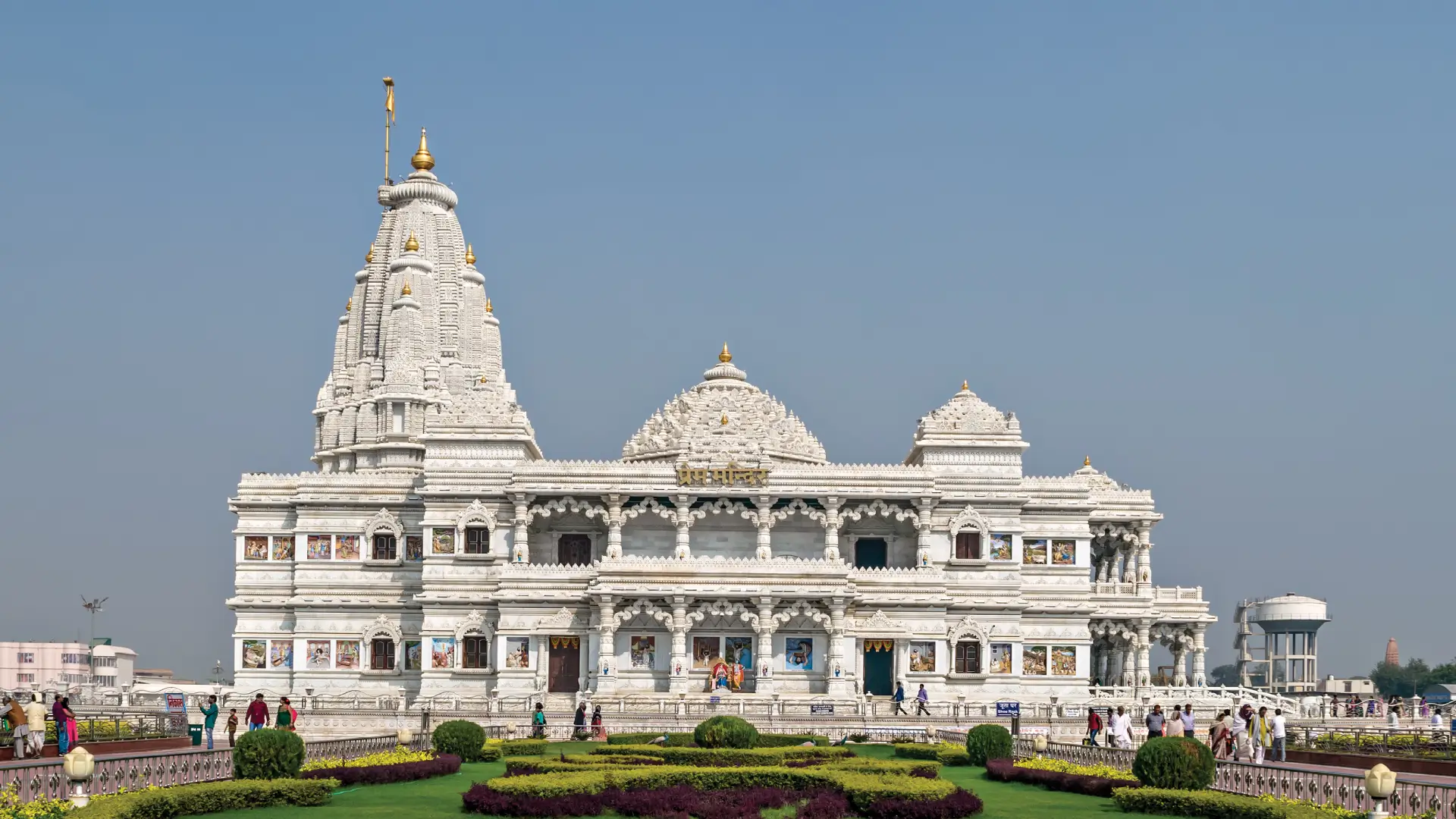
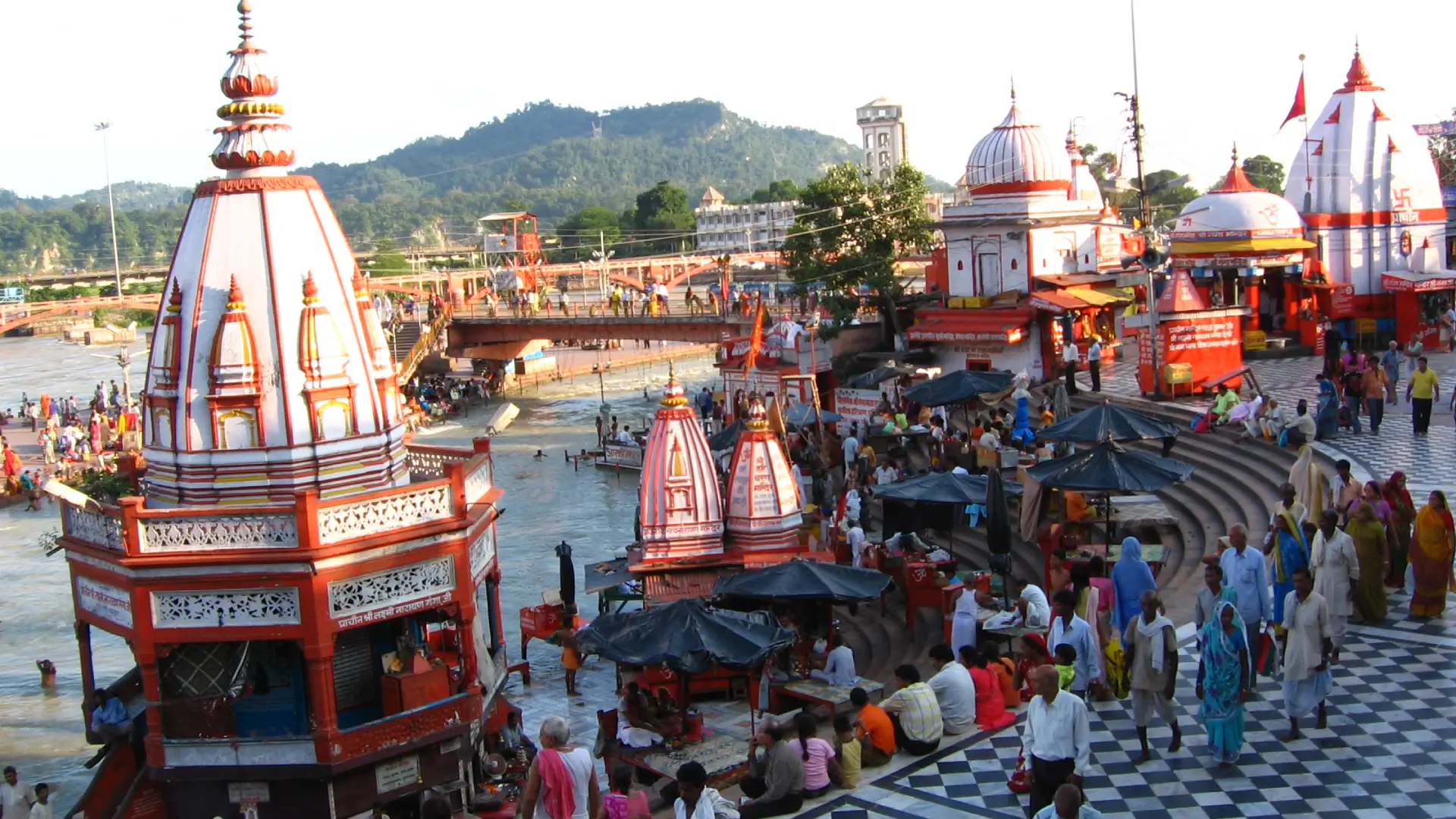
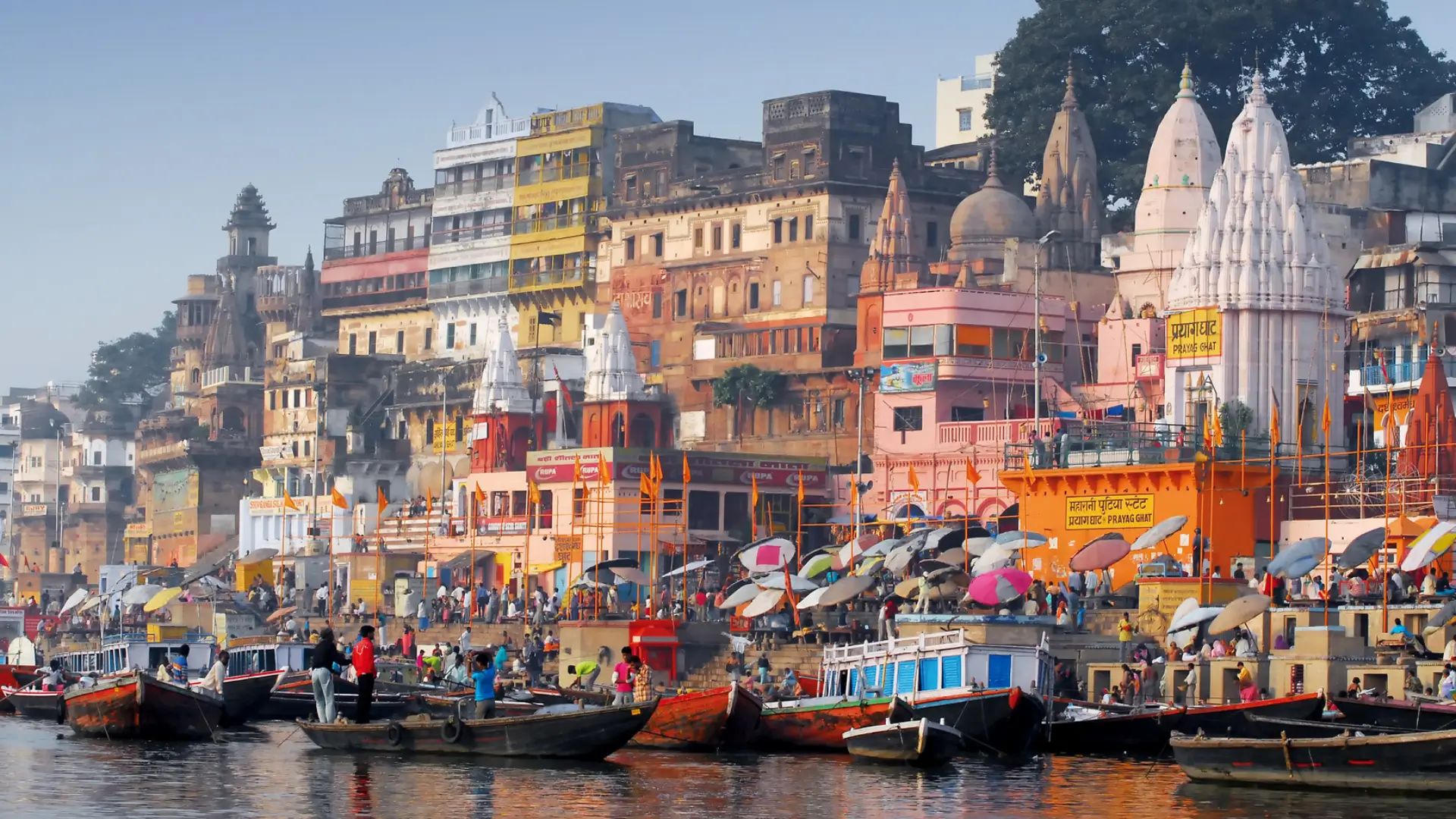
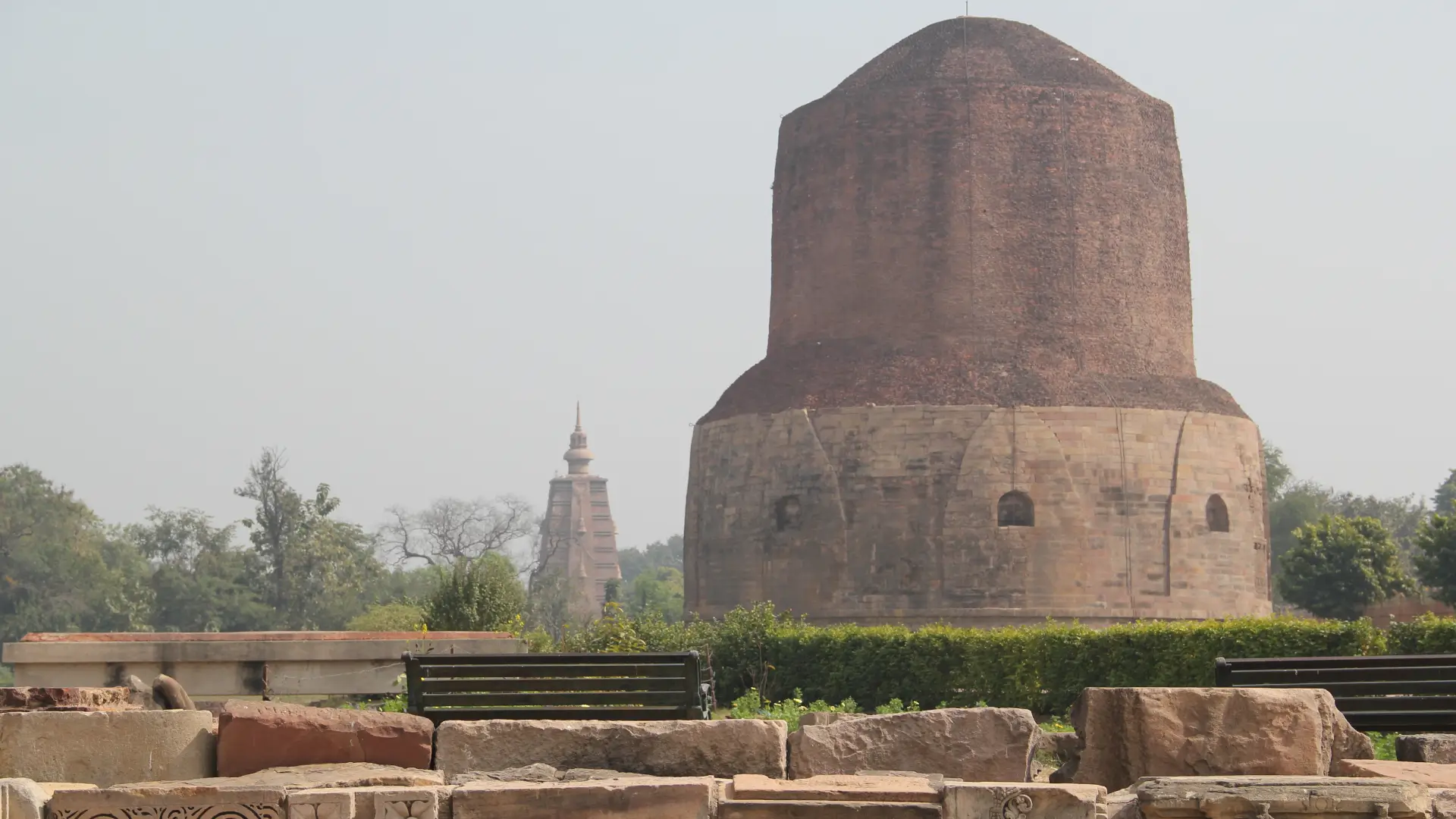
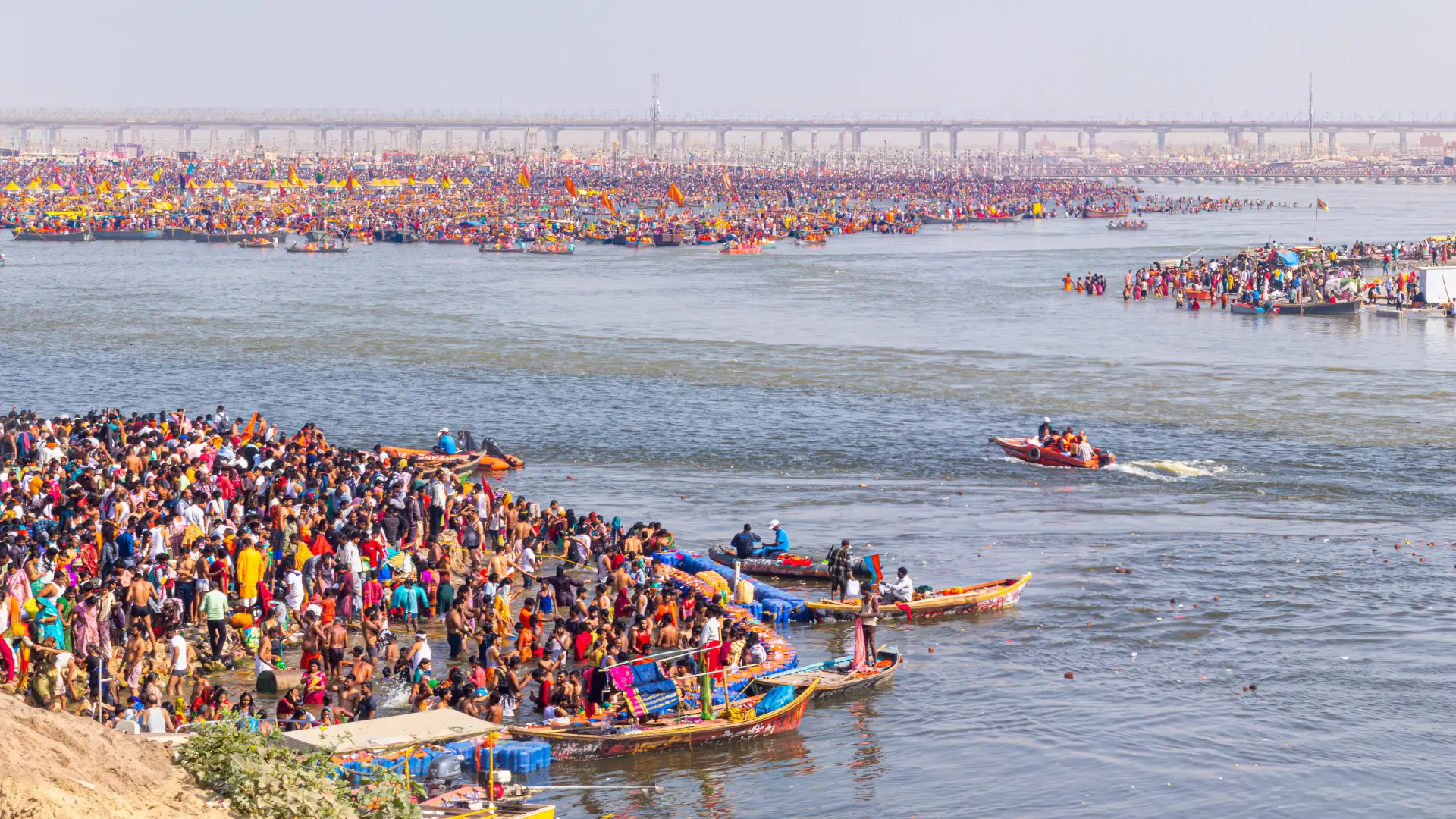
While visiting Ayodhya, the birthplace of Lord Rama, one can visit several other holy towns of the nation which carry a huge significance in the heart of Hindus and are widely recognised for their historical relevance are stated below.
Explore LocationsGet the Best Deals on Ayodhya Holiday Packages. Request for free quotes.
2 - 3 days are usually enough to experience aarti, ashrams, and rafting, while still keeping the trip relaxed.
Yes. Most travellers connect via Haridwar, making it a practical extension after Ayodhya or Varanasi.
Yes. Areas around Tapovan and Ram Jhula become significantly busier from Friday evening to Sunday night.