A short drive from Varanasi, Sarnath feels like stepping out of movement and into stillness.
After the devotional experience in Ayodhya and the ritual intensity of Varanasi, Sarnath offers something quieter, a space where Gautama Buddha delivered his first sermon, shifting the journey from experience to understanding. This is what makes Sarnath one of the most important Buddhist pilgrimage sites in India.
Unlike Ayodhya or Haridwar, Sarnath is not centred around ritual or active worship. It is a place of reflection, history, and understanding. For travellers moving through Varanasi, it offers a pause, not in activity, but in tone.
Why Visit Sarnath ?The popular points of tourist interests and top experiences in Sarnath are Dhamekh Stupa, Chaukhandi Stupa, Sarnath Archaeological Museum, Wat Thai Sarnath Temple, Tibetan Temple, Ashoka Pillar, Bodhi Tree, Mulagandha Kuti Vihar, Sarnath Deer Park, and many more.
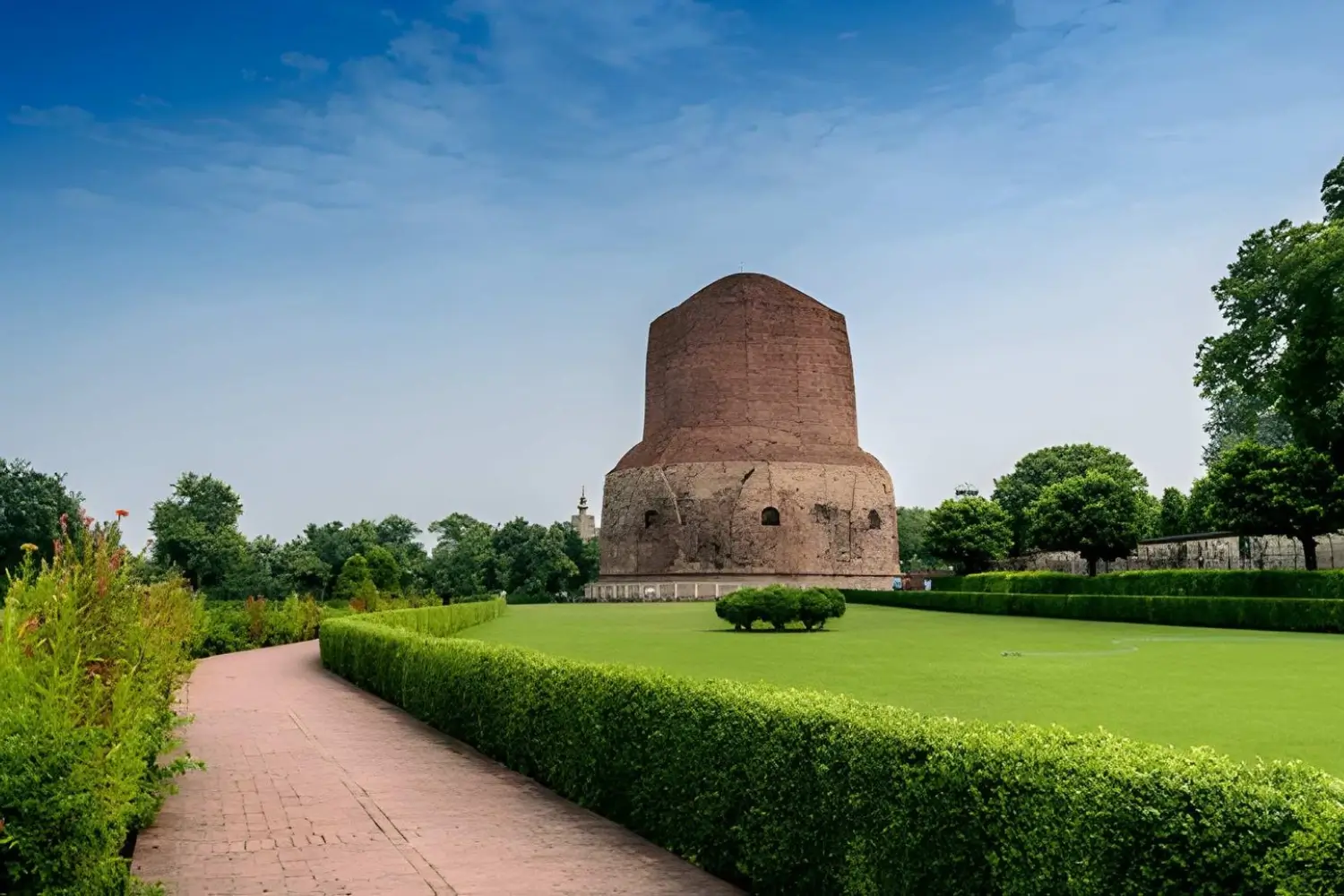
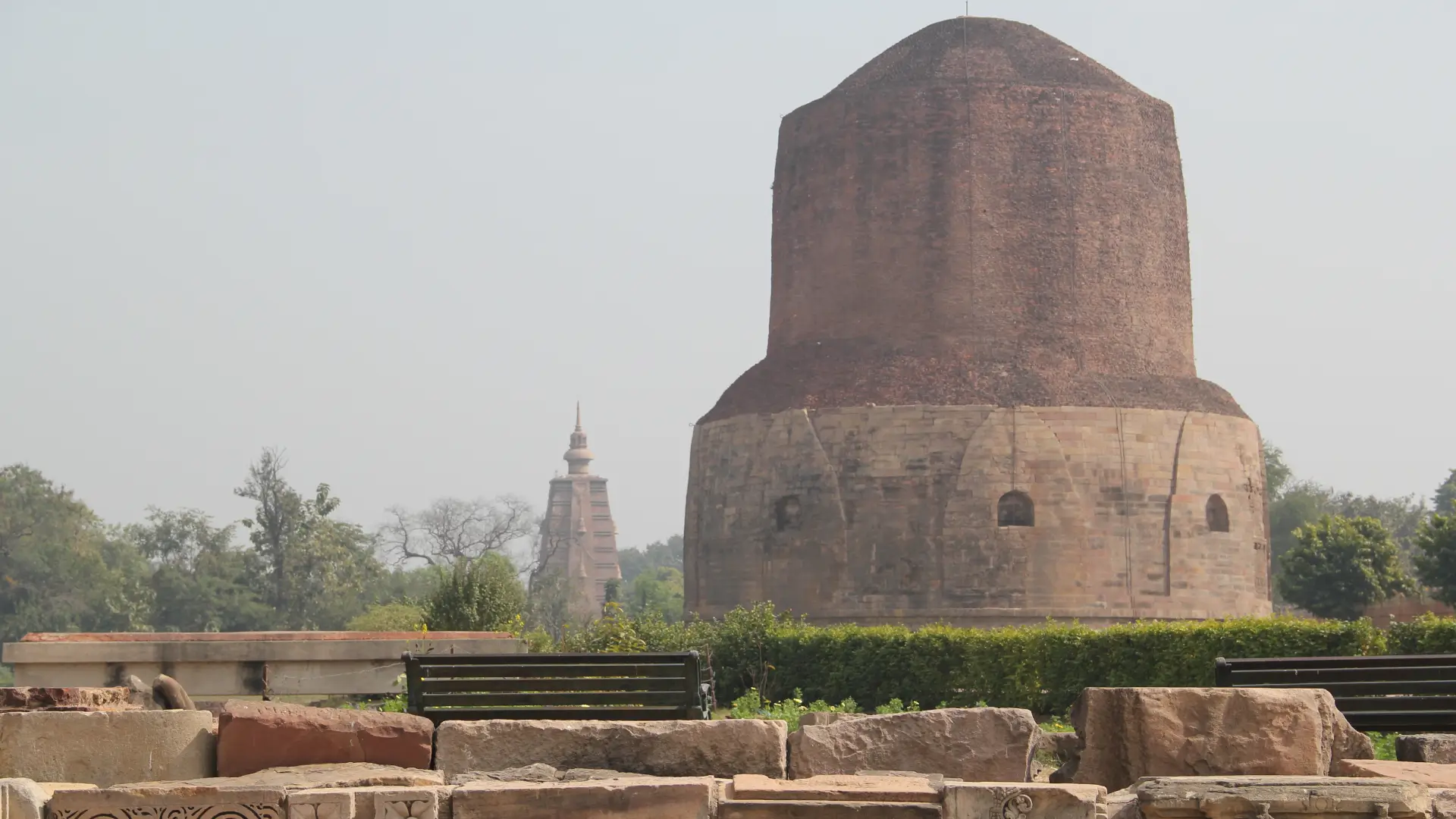
The Dhamek Stupa in Sarnath remains one of the most recognised Buddhist monuments in India, marking the site where Buddha is believed to have delivered his first sermon.
Its massive cylindrical structure, built in stone and brick, dominates the otherwise quiet landscape. Visitors typically walk slowly around it, not out of ritual obligation, but as a way of absorbing the space.
This is where Sarnath shifts from history to presence.
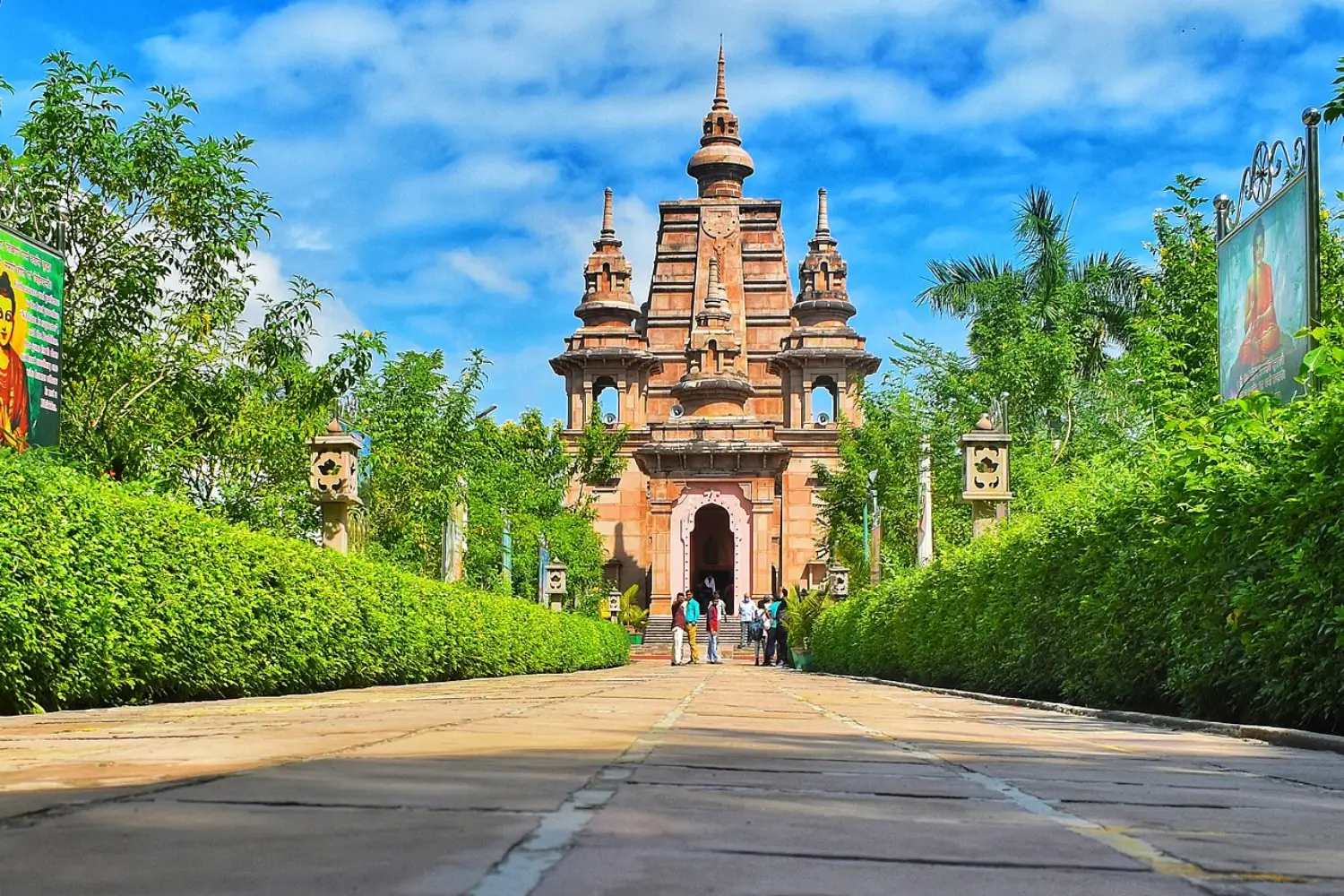
This is one of the most active centres for Buddhist prayer and meditation in Sarnath. Inside, detailed murals depict scenes from Buddha's life, while low, rhythmic chanting often fills the hall. The experience here is structured but calm, a continuation of practice rather than observation.
Unlike ruins, this space feels active but still calm and structured.
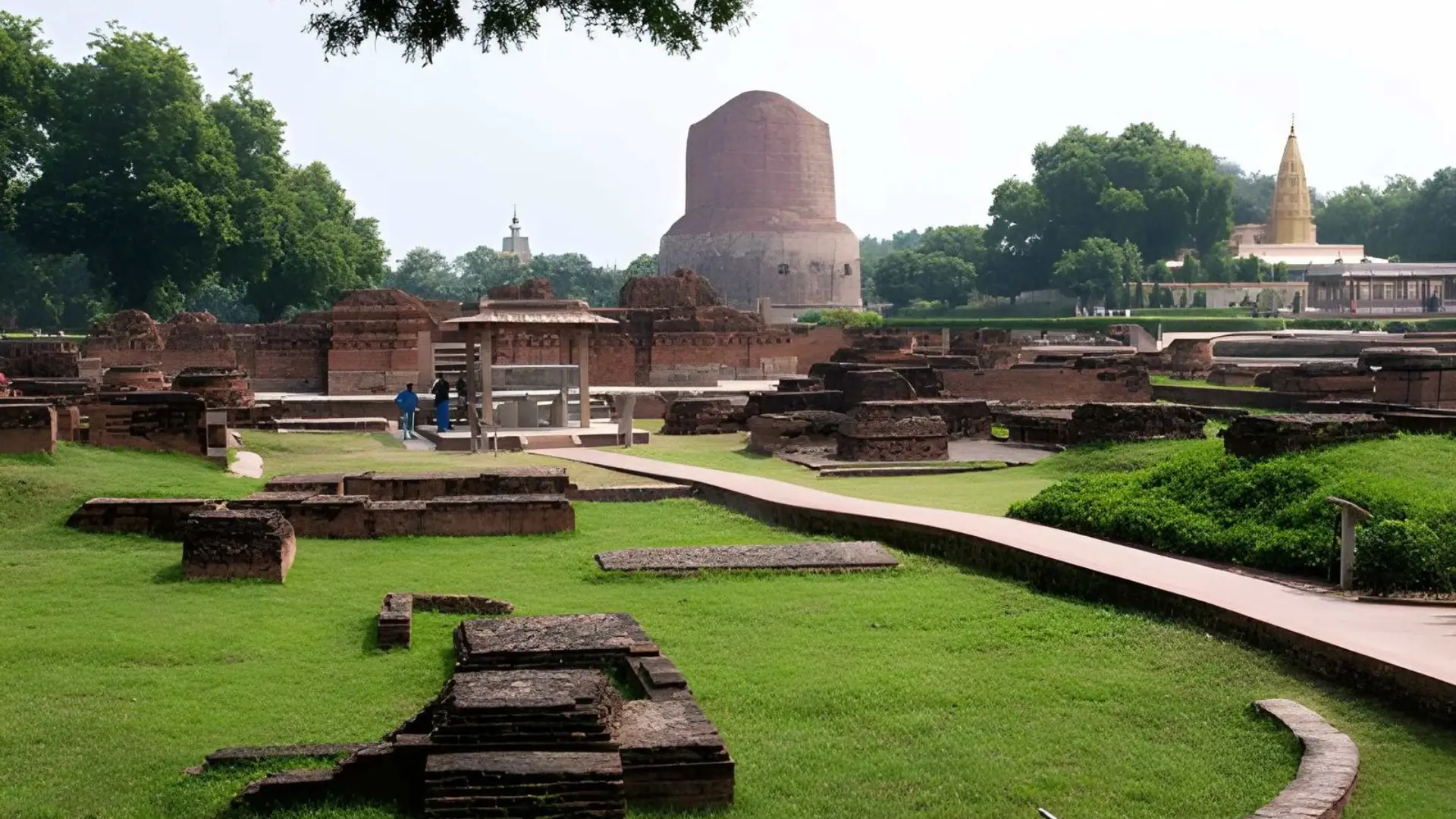
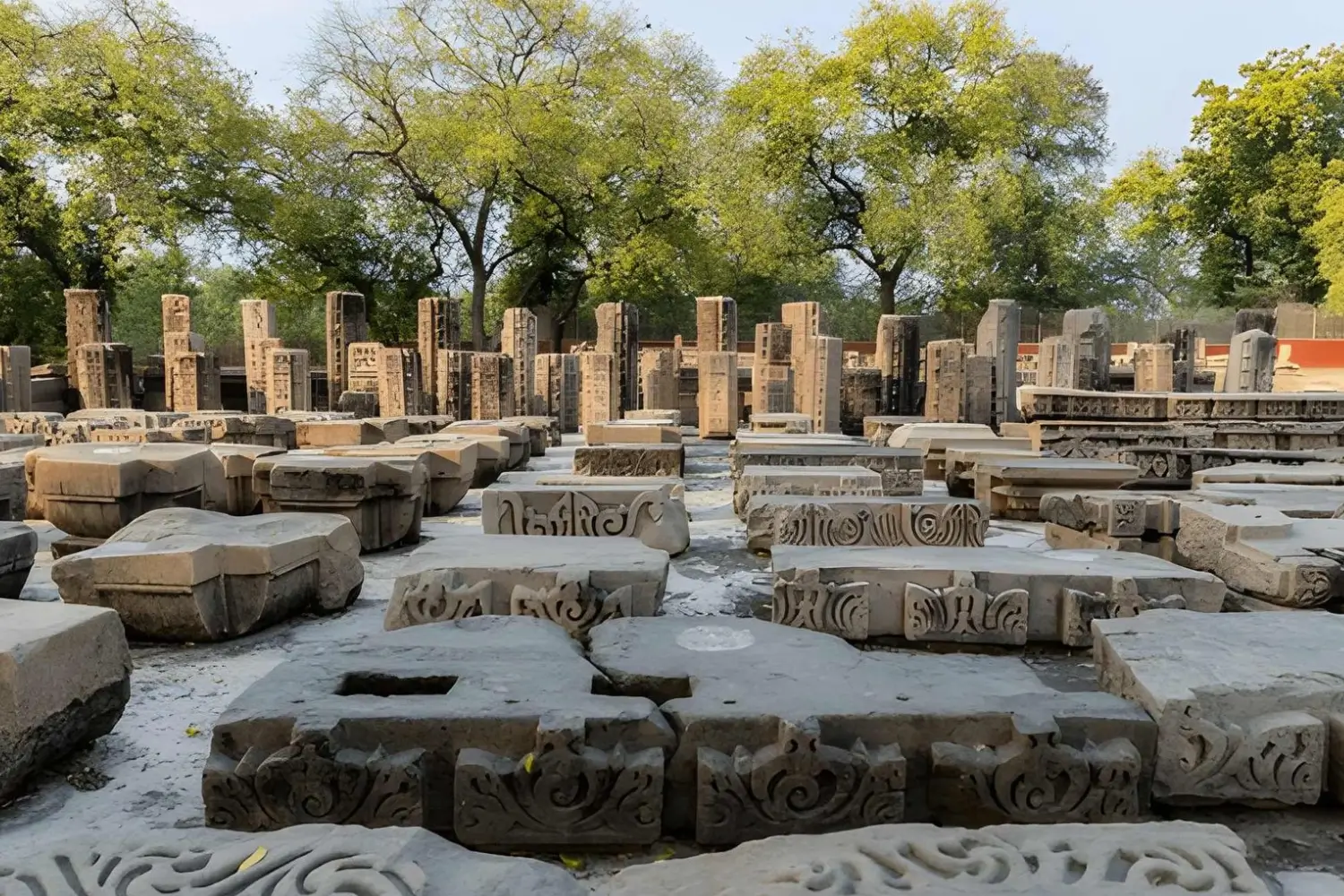
The site is especially important for travellers interested in Buddhist history in India. Spread across a large open area, this complex includes :
Walking through it gives a sense of scale, not just of structures, but of time.
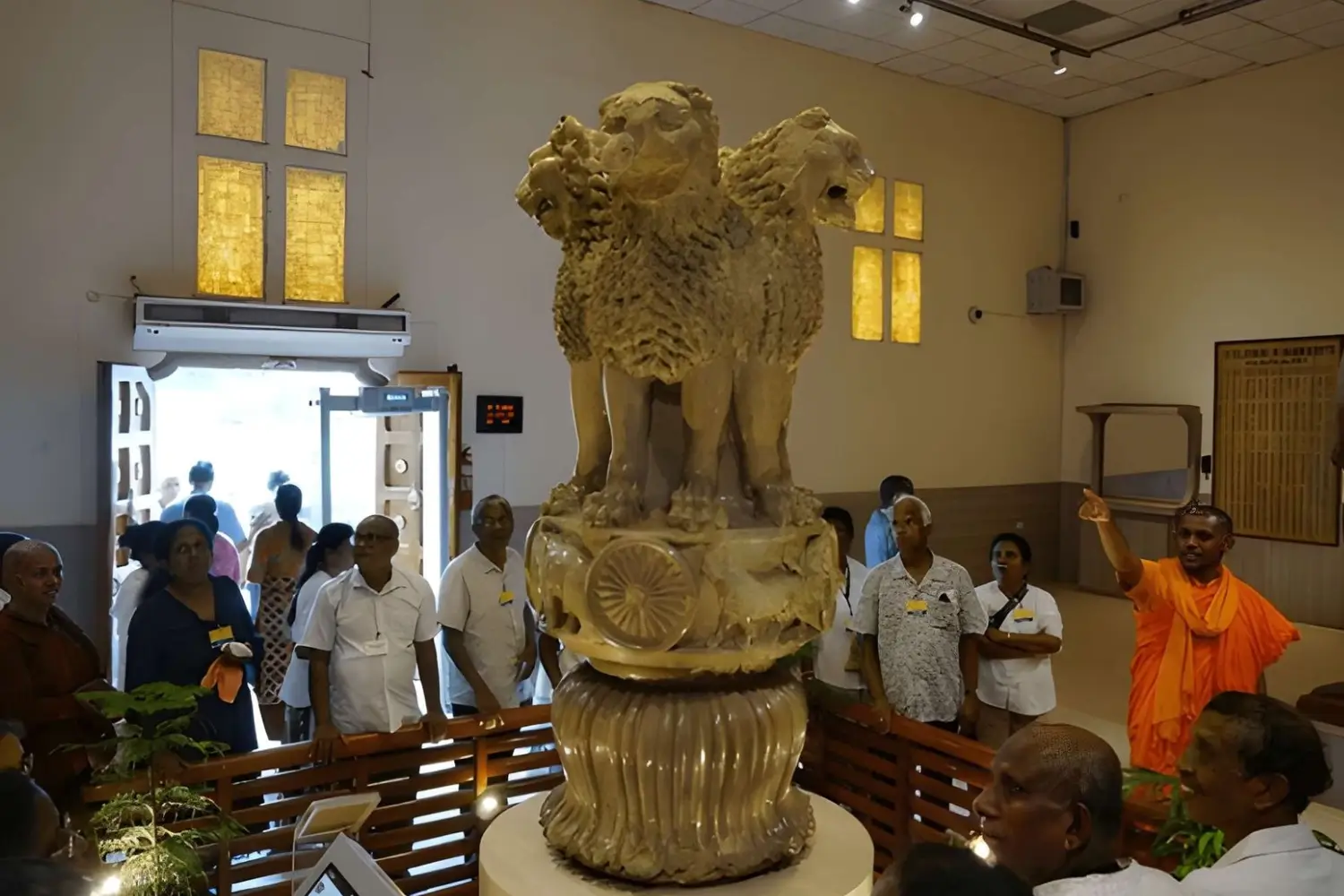
The remains of the Ashoka Pillar, along with the famous Lion Capital (India's national emblem), are preserved in the nearby museum.
The museum is considered one of the most important stops for understanding Emperor Ashoka's connection to Buddhism.
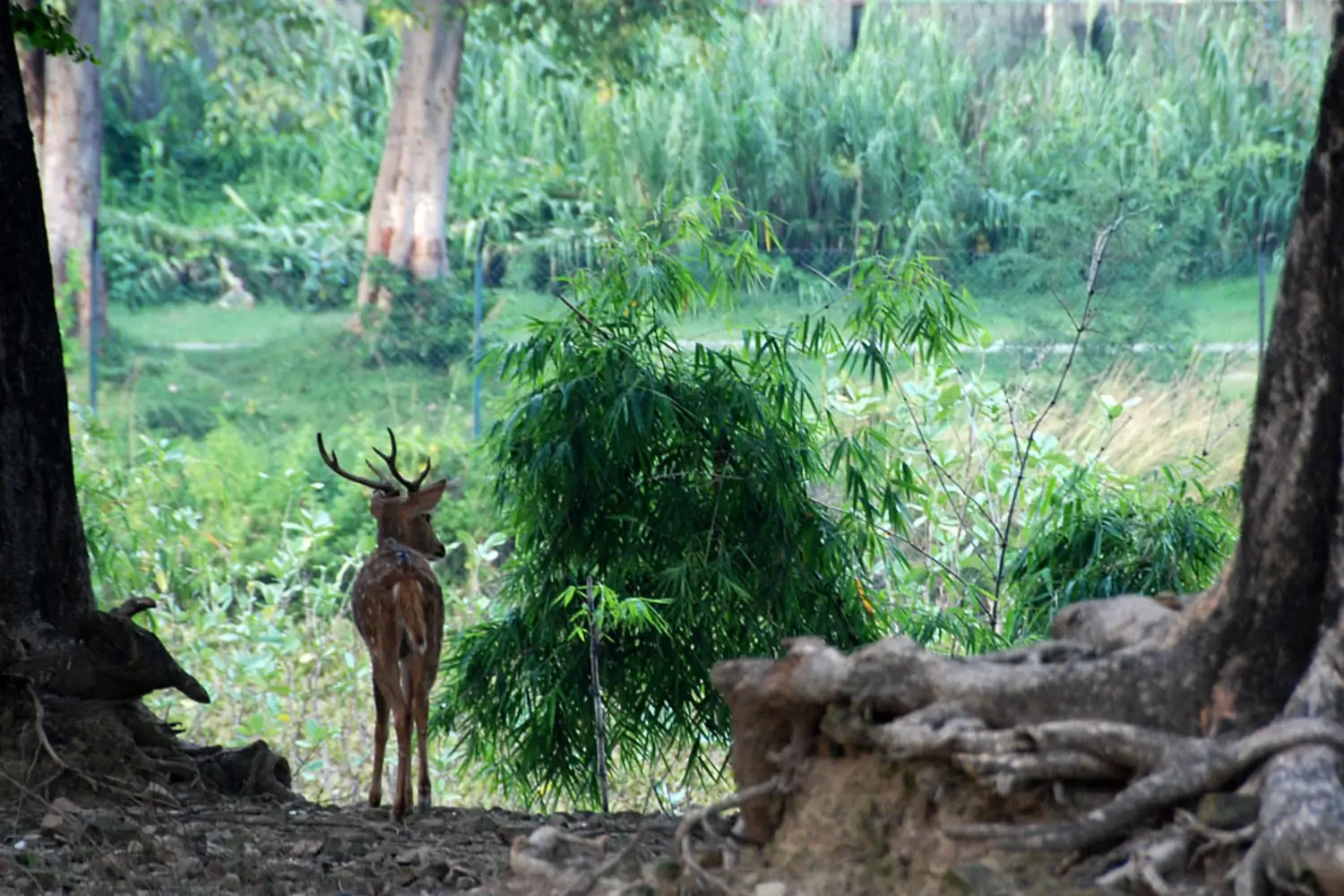
The park surrounding the main structures is believed to be the same area where Buddha chose to teach.
Today, it adds to the atmosphere :
It reinforces what Sarnath is about: not intensity, but clarity.
Sarnath is one of the most popular half-day trips from Varanasi. Many travellers include it within an Ayodhya - Varanasi - Sarnath itinerary.
Although Sarnath is only about 10 km away, traffic while leaving Varanasi, especially across bridges, can significantly increase travel time.
Pro Tip : Plan to leave by 8:30 AM to avoid congestion and reach Sarnath before peak visitor hours, preserving the quieter experience it is known for.
Best Time to Visit SarnathWinter is considered the best season for a comfortable Sarnath sightseeing experience.
Things to Know Before VisitingMuseum Visit Note : The Sarnath Archaeological Museum houses the original Lion Capital of Ashoka, India's national emblem. Bags, cameras, and large items are not allowed inside the museum. You may need to use the cloakroom near the entrance
Plan this stop accordingly to avoid unnecessary delays.
Where Sarnath Fits in a Spiritual Journey ?| Destination | Spiritual Focus | Experience Type | Role in Journey |
|---|---|---|---|
| Ayodhya | Devotion | Temple darshan | Beginning |
| Haridwar | Ritual | Ganga participation | Action |
| Varanasi | Intensity | Temples + Ganga | Immersion |
| Sarnath | Realisation | Teaching & reflection | Understanding |
Sarnath is best experienced as a half-day Buddhist heritage excursion from Varanasi, offering a quieter counterpoint to the city's intensity.
Call +919212553109 to plan a seamless Varanasi - Sarnath visit, including:
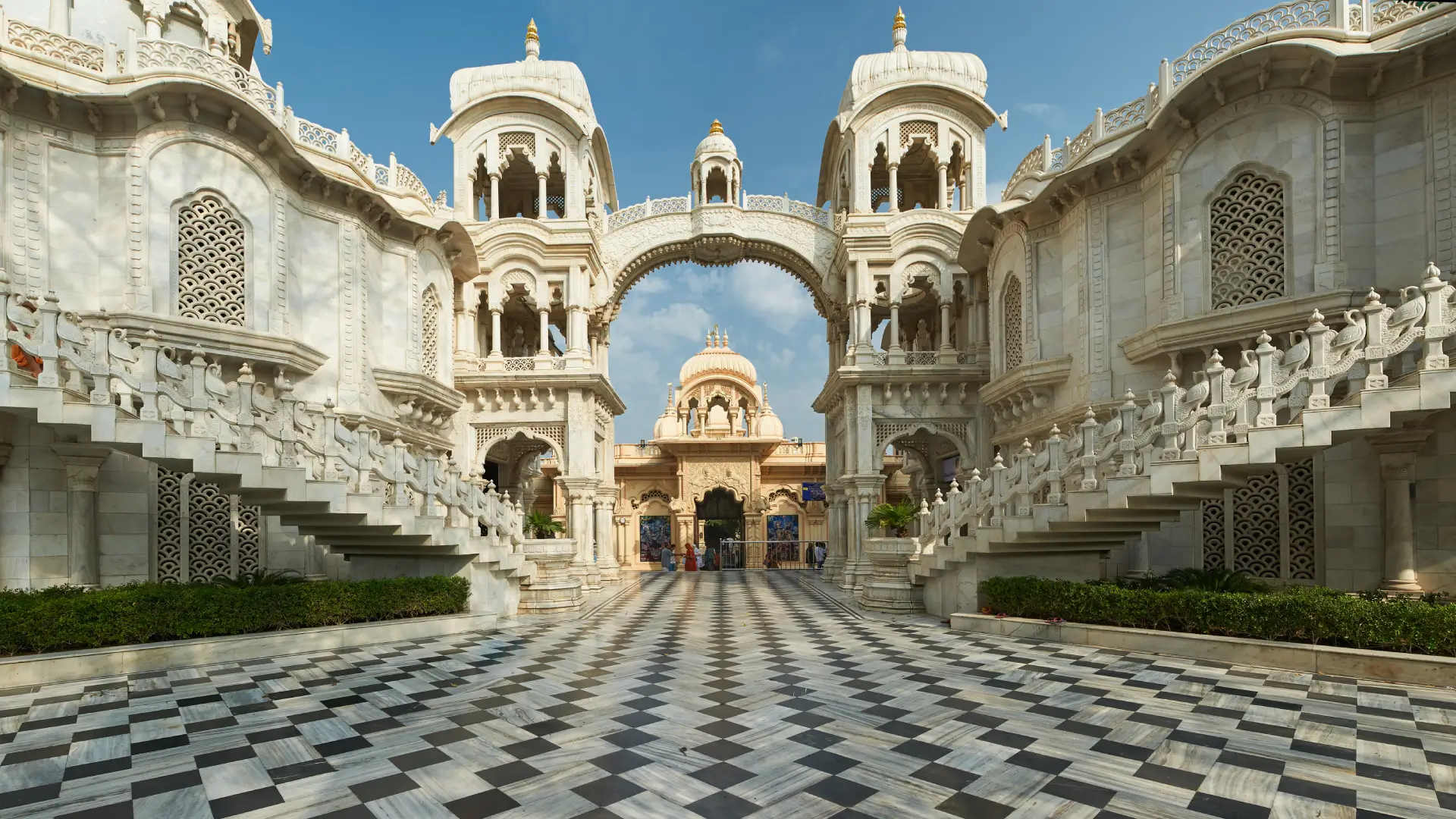
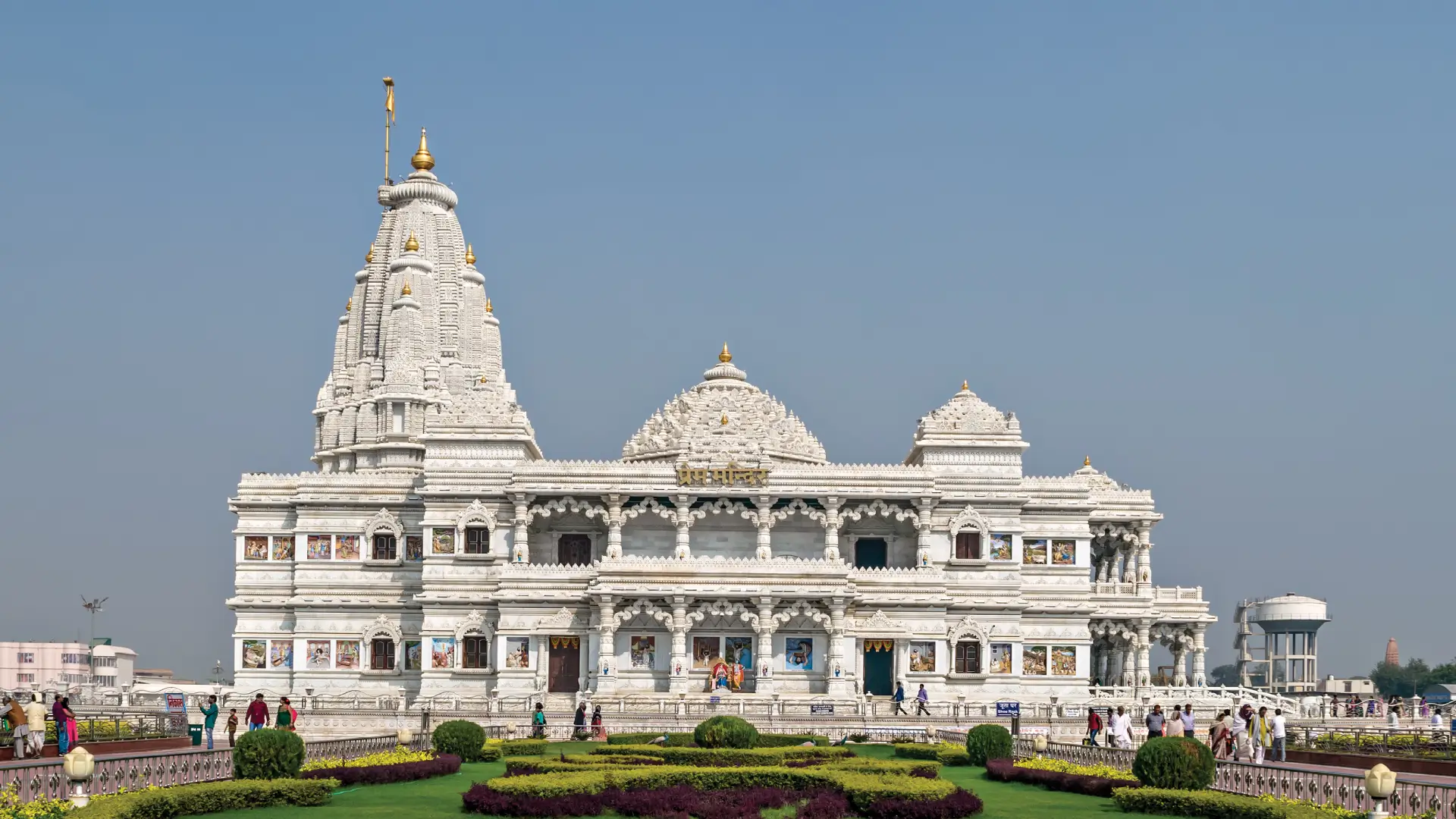
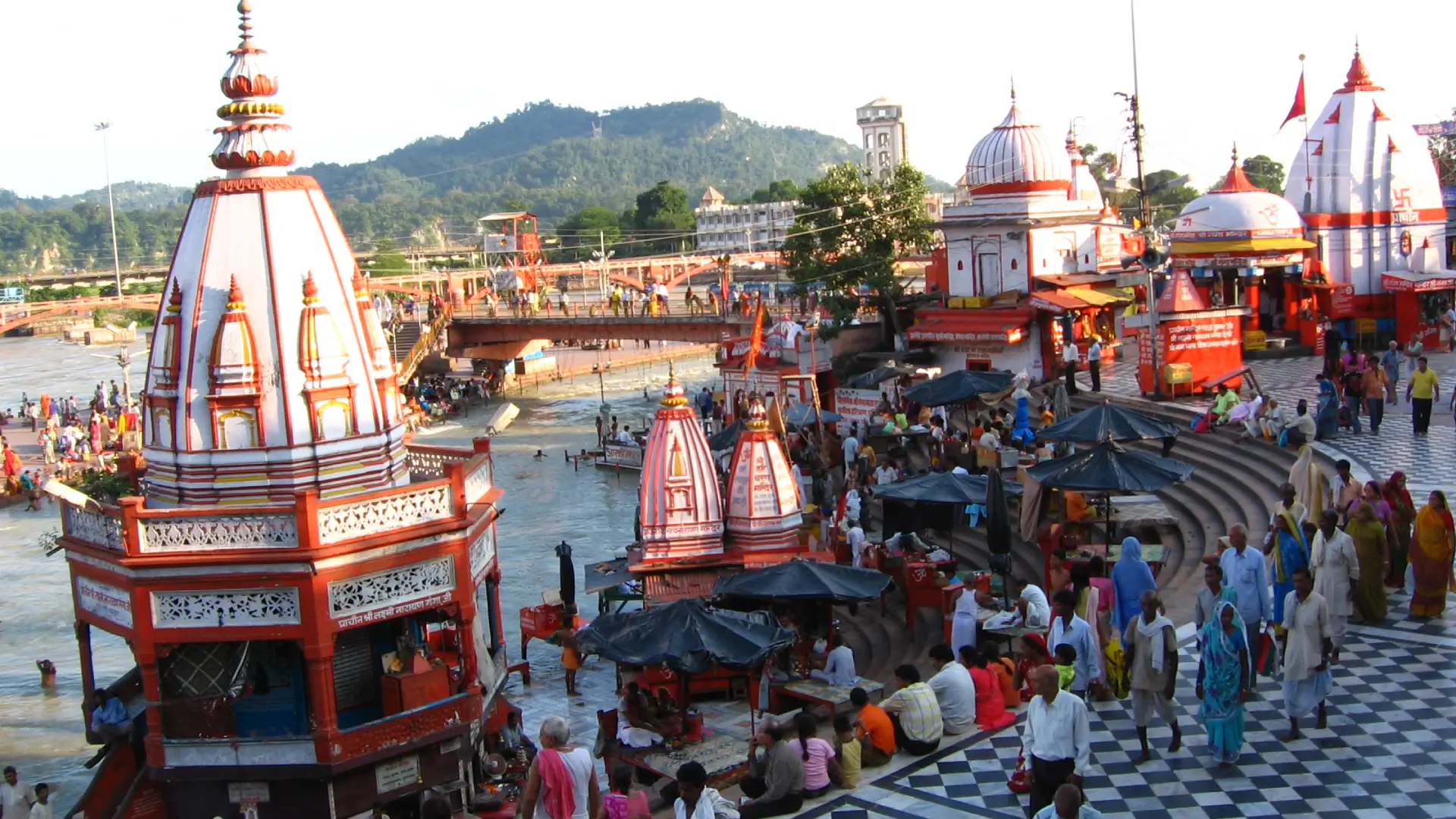
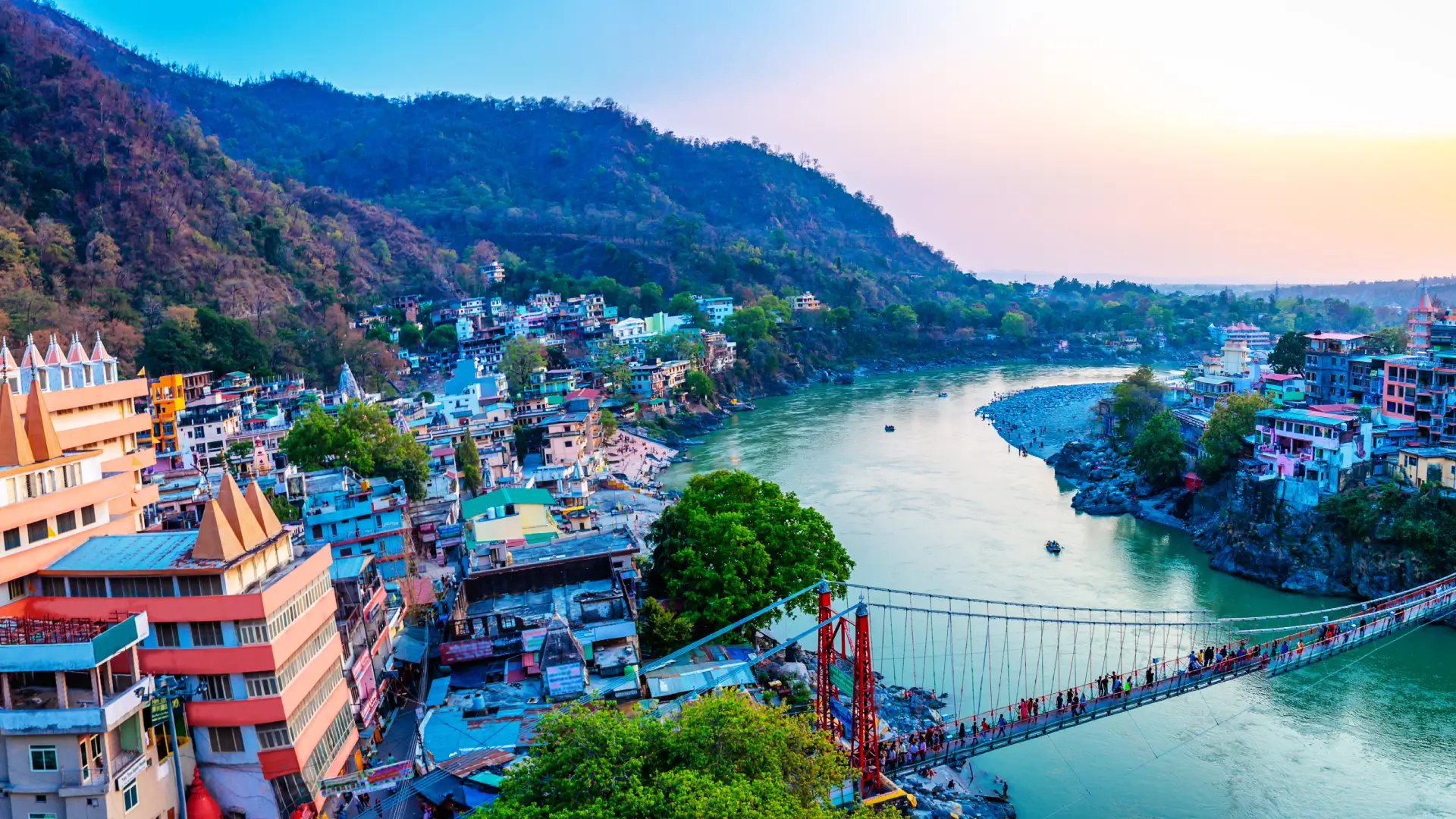
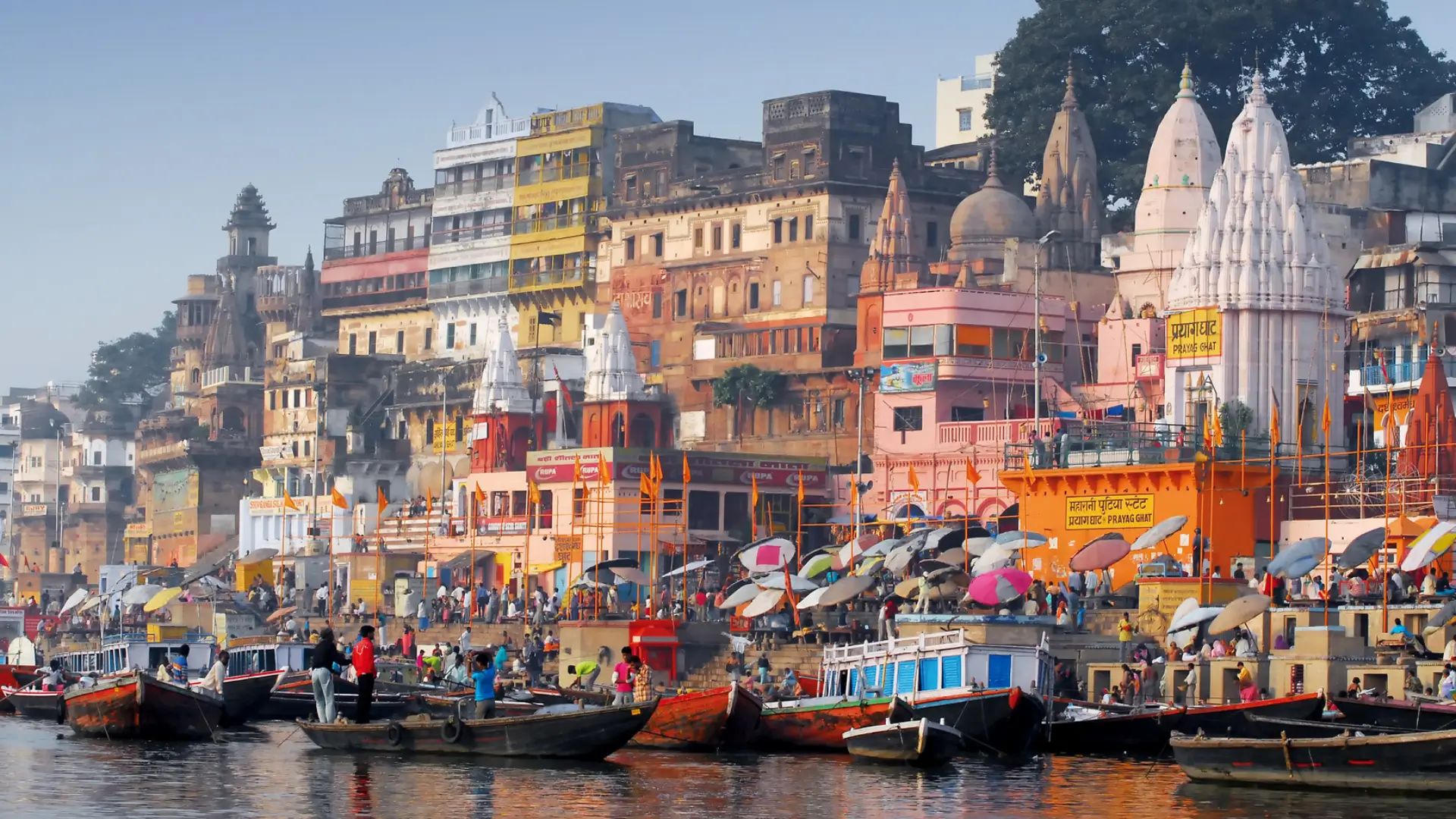
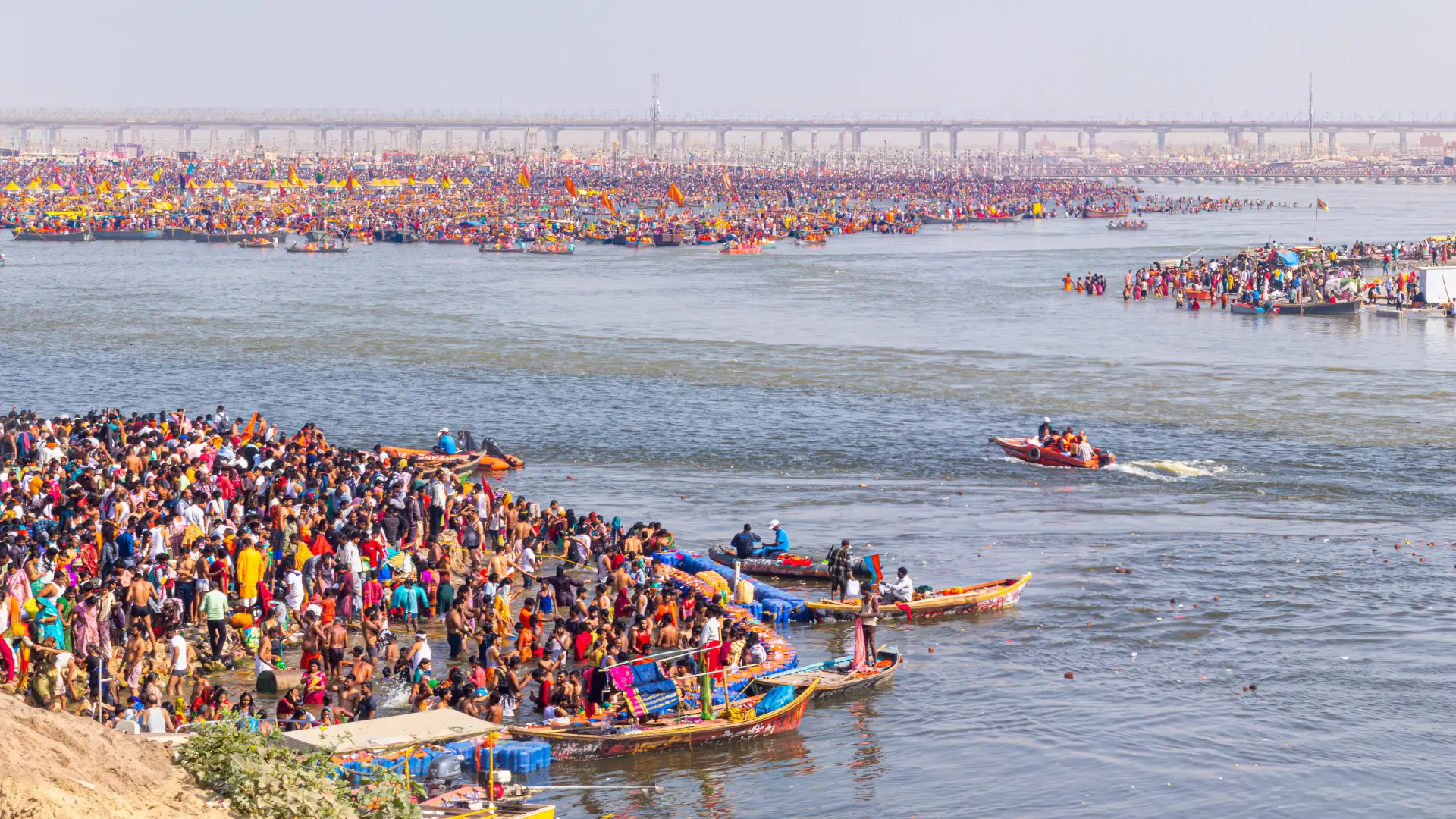
While visiting Ayodhya, the birthplace of Lord Rama, one can visit several other holy towns of the nation which carry a huge significance in the heart of Hindus and are widely recognised for their historical relevance are stated below.
Explore LocationsGet the Best Deals on Ayodhya Holiday Packages. Request for free quotes.
2 - 3 hours are usually enough to explore the main sites comfortably.
Sarnath is famous as the place where Gautama Buddha delivered his first sermon after enlightenment.
Yes, it is commonly done as a half-day or combined day trip.